
Common Mistakes to Avoid During Wound Dressing at Home
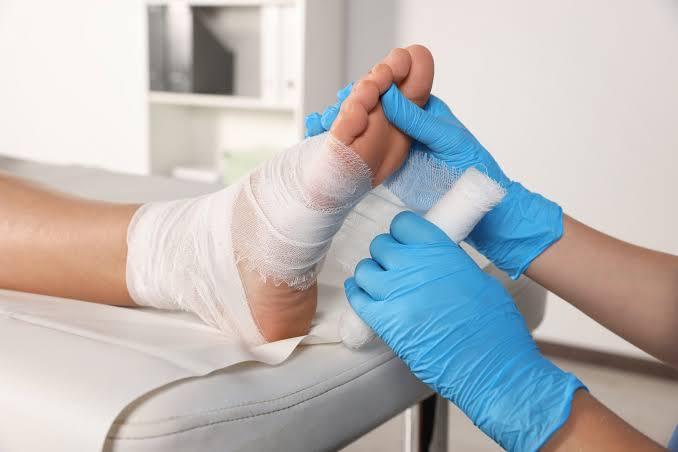
Proper wound care plays a vital role in preventing infections, supporting faster healing, and reducing the risk of complications. Many people prefer Wound Dressing at Home in Dubai because it offers comfort, convenience, and personalized care without the need for frequent clinic visits. With the guidance of a Doctor at Home, individuals can receive professional support while managing wounds in a familiar environment. However, even with access to quality care, avoiding common mistakes during wound dressing is essential to ensure the best healing outcomes.
Why Proper Wound Dressing Matters:
A wound dressing does much more than simply cover an injury. It protects the wound from bacteria, helps maintain an ideal healing environment, reduces discomfort, and minimizes the risk of infection. Incorrect wound care practices can slow healing, increase pain, and even lead to complications that require medical treatment. Understanding proper dressing techniques helps create the best conditions for recovery while maintaining overall skin health.
Skipping Hand Hygiene Before Dressing Changes:
One of the most common mistakes people make is forgetting to wash their hands thoroughly before touching a wound. Even clean-looking hands can carry bacteria that may enter the wound and cause infection.
- Wash hands with soap and water for at least 20 seconds.
- Dry hands using a clean towel or disposable tissue.
- Use disposable gloves whenever recommended.
- Avoid touching the inside of sterile dressings.
Simple hygiene practices greatly reduce the chance of introducing harmful microorganisms into the wound.
Using the Wrong Dressing Materials:
Not every wound requires the same type of dressing. Choosing inappropriate materials can interfere with healing by making the wound too dry, too moist, or poorly protected.
Common mistakes include:
- Using non-sterile cloth instead of medical dressings.
- Applying adhesive products directly on delicate skin.
- Reusing disposable dressings.
- Selecting dressings without considering wound size or drainage.
Using the correct dressing according to the wound's condition helps maintain a balanced healing environment.
Changing Dressings Too Frequently or Too Rarely:
Many people believe that changing a dressing multiple times a day promotes faster healing. In reality, excessive dressing changes may disturb newly forming tissue, while leaving a dressing unchanged for too long increases infection risks.
A balanced dressing schedule depends on:
- The amount of wound drainage.
- The type of dressing used.
- The stage of healing.
- Medical recommendations.
Maintaining appropriate dressing intervals supports consistent healing without unnecessary disruption.
Ignoring Signs of Infection:
Some individuals continue routine dressing changes without recognizing early warning signs that require medical attention. Detecting infection early can prevent more serious complications.
Watch for symptoms such as:
- Increased redness around the wound.
- Swelling that worsens over time.
- Unpleasant odor.
- Yellow or green discharge.
- Persistent or increasing pain.
- Fever accompanying the wound.
Prompt evaluation can help prevent infection from spreading.
Cleaning the Wound Incorrectly:
Improper wound cleaning can damage healthy tissue and delay recovery. Harsh cleaning methods may remove new cells that are actively repairing the wound.
Avoid these common errors:
- Scrubbing the wound aggressively.
- Using unapproved household disinfectants.
- Applying excessive pressure while cleaning.
- Touching the wound with unclean materials.
Gentle cleaning techniques help preserve healthy tissue while removing debris safely.
Allowing the Wound to Become Too Dry:
Many people assume wounds heal faster when left exposed to air. Modern wound care practices generally support maintaining an appropriate moisture balance, which encourages cell growth and tissue repair.
Benefits of proper moisture include:
- Faster skin regeneration.
- Reduced scab formation.
- Less discomfort during dressing changes.
- Lower chance of cracking or reopening.
Balanced moisture supports a smoother healing process while protecting delicate new tissue.
Applying Too Much Pressure During Dressing:
Overly tight bandages may reduce blood circulation, while loose dressings may shift and expose the wound to contaminants. Proper application is important for comfort and healing.
Signs that a dressing is too tight include:
- Numbness.
- Tingling sensations.
- Swelling below the bandage.
- Skin discoloration.
- Increased pain.
A secure but comfortable dressing helps maintain protection without restricting circulation.
Neglecting the Surrounding Skin:
The skin surrounding a wound also requires attention. Continuous moisture, adhesive removal, or poor hygiene may cause irritation and skin breakdown that complicates recovery.
Healthy surrounding skin can be maintained by:
- Keeping nearby skin clean and dry.
- Changing adhesive positions when possible.
- Using skin-friendly products.
- Monitoring for redness or irritation.
Protecting nearby skin contributes to overall wound healing success.
Reusing Medical Supplies:
Disposable wound care products are designed for single use. Reusing supplies increases the likelihood of contamination and infection.
Items that should generally never be reused include:
- Gauze pads.
- Gloves.
- Sterile dressings.
- Cotton applicators.
- Cleaning swabs.
Fresh sterile supplies help maintain a clean healing environment with every dressing change.
Removing Dressings Too Quickly:
Pulling a dressing away forcefully can damage healing tissue and cause unnecessary pain. Gentle removal helps protect fragile skin and newly formed tissue.
Safer dressing removal practices include:
- Loosen adhesive carefully.
- Remove slowly in the direction of hair growth.
- Support surrounding skin while lifting adhesive.
- Stop if resistance causes discomfort.
Gentle handling minimizes trauma and promotes continued healing.
Forgetting to Monitor Healing Progress:
Some people focus only on changing dressings without observing whether the wound is improving. Monitoring progress helps identify problems before they become serious.
Pay attention to:
- Changes in wound size.
- Color of the wound bed.
- Amount of drainage.
- Pain levels.
- Skin condition around the wound.
Regular observation provides valuable information about how well healing is progressing.
Relying Solely on Home Remedies:
Natural remedies may seem appealing, but not every household product is appropriate for wound care. Certain substances can introduce bacteria or irritate healing tissue.
Instead of experimenting with unverified treatments, focus on evidence-based wound care practices and seek professional guidance whenever necessary. Reliable wound management supports safer recovery and reduces unnecessary complications.
Final Thoughts:
Avoiding common mistakes during wound dressing significantly improves healing outcomes while lowering the risk of infection and complications. Paying attention to cleanliness, selecting appropriate dressing materials, monitoring healing progress, and recognizing warning signs all contribute to successful recovery. For many individuals choosing Wound Dressing at Home in Dubai, combining proper home care with professional guidance from a qualified healthcare provider offers a safe, convenient, and effective approach to wound management, helping every stage of healing progress with confidence and care.

 English
 Arabic
 French
 Spanish
 Portuguese
 Deutsch
 Dutch
Dutch
 Italiano
 Russian
 Romaian
 Portuguese (Brazil)
 Greek
Greek
