
What Happens During a Liposuction Consultation?
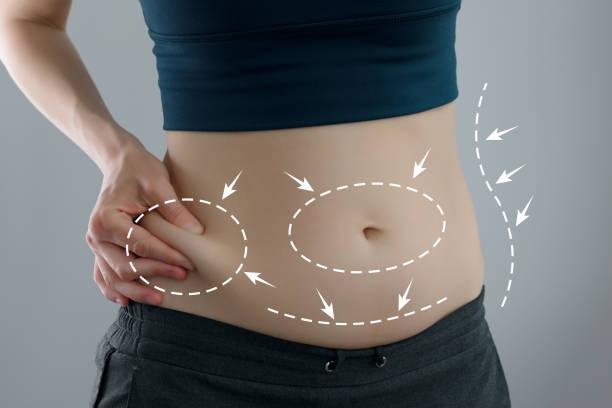
Considering cosmetic surgery often begins with a consultation, where patients can discuss their concerns, explore treatment options, and understand what to expect before proceeding. A liposuction consultation helps determine whether the procedure is appropriate for a person's body-contouring goals, health, and physical characteristics. For individuals considering Liposuction in Riyadh (كم سعر عملية شفط الدهون في السعودية), this appointment is an opportunity to learn about the surgical process, potential benefits, risks, and recovery requirements. Preparing for the consultation can make the discussion more productive and help patients make informed decisions.
Why Is a Liposuction Consultation Important?
A consultation is an essential part of planning liposuction because the procedure is not suitable for everyone. It allows the surgeon to assess the patient's needs and determine whether removing localized fat is likely to achieve the desired improvement.
Understanding Your Body-Contouring Goals
Patients can explain which areas concern them most, such as the abdomen, waist, thighs, hips, arms, back, or chin. Discussing these concerns helps the surgeon understand the desired outcome and identify which areas may benefit from treatment.
Determining Whether Liposuction Is Appropriate
Liposuction is designed to remove localized fat deposits rather than produce significant weight loss. The surgeon evaluates whether excess fat, loose skin, muscle separation, or another factor is responsible for the patient's concerns. In some cases, an alternative procedure or a non-surgical approach may be more suitable.
Reviewing Your Medical History
Before recommending surgery, the surgeon needs to understand the patient's overall health and any factors that could affect treatment or recovery.
Existing Medical Conditions
Patients should disclose relevant medical conditions, including heart or lung problems, circulation disorders, diabetes, and conditions that affect blood clotting or healing. Previous surgeries and any history of complications from anesthesia should also be discussed.
Medications and Supplements
The surgeon will usually ask about prescription medications, over-the-counter products, vitamins, and herbal supplements. Some substances can affect bleeding, anesthesia, or recovery. Patients should never stop prescribed medication without guidance from their healthcare professional.
Lifestyle and Weight Stability
Smoking, alcohol consumption, activity levels, and recent weight changes may influence surgical planning. Patients should also discuss future plans that could significantly affect their body shape. These details help the surgeon assess suitability and recommend appropriate precautions.
Physical Examination and Treatment Planning
A physical examination allows the surgeon to evaluate the areas being considered for treatment and determine whether liposuction can address the patient's concerns.
Assessing Fat Distribution
The surgeon examines the amount and location of subcutaneous fat beneath the skin. This helps identify whether localized fat deposits are suitable for removal and whether the proposed treatment could improve body proportions.
Evaluating Skin Elasticity
Skin elasticity is an important factor because the skin needs to adapt to the reduced fat volume after surgery. Patients with good elasticity may achieve smoother contours, while those with significant loose skin may need to consider procedures such as a tummy tuck or arm lift.
Discussing Suitable Techniques
Different liposuction techniques may be considered depending on the treatment area, anatomy, and surgeon's expertise. Liposuction in Riyadh should involve a personalized plan rather than a standard approach for every patient. The surgeon can explain the recommended technique, the type of anesthesia, and whether treating multiple areas would be appropriate.
Discussing Expected Results and Limitations
An important part of the consultation is understanding what liposuction can realistically achieve. Clear expectations can help patients decide whether the procedure matches their goals.
What Results Can You Expect?
Liposuction may improve the definition of selected areas by reducing localized fat deposits. However, the degree of improvement depends on body composition, skin quality, the treatment area, and individual healing. The surgeon may use photographs or other assessment methods, where appropriate, to explain the planned changes.
Understanding the Limitations
Liposuction does not treat obesity, remove significant excess skin, or guarantee perfect symmetry. It also cannot prevent future weight gain. Patients should understand these limitations before deciding to proceed.
Reviewing Potential Risks
The surgeon should explain possible complications, including infection, bleeding, fluid accumulation, scarring, contour irregularities, changes in sensation, and anesthesia-related problems. Rare but serious complications, such as blood clots or fat embolism, can also occur. Patients should feel comfortable asking questions about safety and how complications would be managed.
Understanding Recovery Requirements
Recovery planning is another important topic during the consultation. Knowing what to expect can help patients arrange time away from work and organize support at home.
Initial Healing Period
Patients commonly experience swelling, bruising, tenderness, and temporary changes in sensation after surgery. The surgeon will explain how to manage discomfort, care for incision sites, and recognize symptoms that require medical attention.
Compression Garments and Activity Restrictions
Compression garments may be recommended to help manage swelling and support the treated tissues. Patients should also receive guidance on gentle walking, driving, returning to work, and resuming exercise. The timing varies according to the procedure and individual recovery.
Follow-Up Appointments
Follow-up visits allow the surgeon to monitor healing, assess changes in body contours, and address concerns. Patients should understand how to contact the surgical team if unexpected symptoms develop after the procedure.
Questions to Ask During Your Consultation
Preparing questions in advance can help patients better understand their options. Consider asking:
-
Am I a suitable candidate for liposuction?
-
Which treatment areas are appropriate for my goals?
-
What results are realistic for my body type?
-
Which surgical technique do you recommend, and why?
-
What complications should I understand before proceeding?
-
What qualifications and experience do you have with this procedure?
-
Where will the surgery take place, and what safety measures are available?
-
How long might recovery take, and when can I resume normal activities?
-
What follow-up care will be provided?
These questions encourage an open discussion and help patients make decisions based on clear information.
How to Prepare for Your Appointment
Before the consultation, write down your goals, medical history, current medications, allergies, and previous surgical experiences. Bring any relevant medical records if available. It can also help to describe your usual activity level and any previous attempts to address the areas of concern through lifestyle changes.
Avoid feeling pressured to make an immediate decision. Take time to consider the information, review alternatives, and seek another professional opinion if you are uncertain.
Book an Appointment at Royal Clinic Saudia
If you are exploring body-contouring options, a consultation can help you understand whether liposuction is appropriate for your needs. At Royal Clinic Saudia ( عيادات رويال كلينك ) arrange an appointment to discuss your goals, receive an individualized assessment, and learn about the potential benefits, risks, and recovery requirements of Liposuction in Riyadh. A detailed consultation can help you make an informed decision about the next steps in your treatment journey.

 English
 Arabic
 French
 Spanish
 Portuguese
 Deutsch
 Turkish
 Dutch
Dutch
 Italiano
 Russian
 Portuguese (Brazil)
 Greek
Greek
