
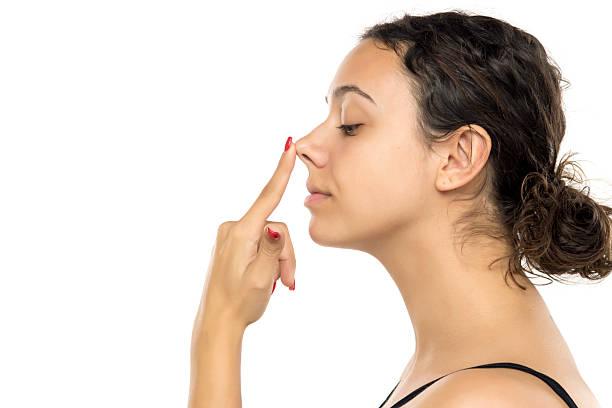
The nose is not static. Like every other facial feature, it changes with age. Cartilage weakens, skin loses elasticity, and the tip gradually descends. Rhinoplasty in Riyadh These changes can alter the balance of the face, sometimes making the nose appear longer or heavier than it once did. Understanding how aging affects the nose helps patients decide whether rhinoplasty is appropriate, and it also shapes how surgery should be planned for long-term results.
How the Nose Changes With Age
Nasal aging involves several structural changes. The cartilage that supports the tip weakens over time, causing it to droop. Skin thickens and loses elasticity, particularly in the tip area. The bony pyramid may resorb slightly, altering the bridge. Ligaments that support the nose loosen, allowing it to lengthen visually. For anyone considering Rhinoplasty in Riyadh, understanding these changes explains why surgery performed at different ages requires different approaches.
Why the Tip Drops With Age
The lower lateral cartilages provide tip support. As they weaken, the tip descends, creating a drooping appearance. This is often accentuated when smiling because the depressor septi muscle pulls the tip downward. A drooping tip can make the nose appear longer and can obscure the upper lip. Patients researching nose surgery cost often cite tip droop as a primary motivation for surgery later in life.
Skin Changes and Their Impact
Skin changes affect both appearance and healing. Thick skin may conceal underlying structure, while thin skin reveals every contour. As skin loses elasticity, it may not retract smoothly after surgery, affecting results. Older patients may require techniques that account for reduced skin elasticity, including additional support or skin management. Surgeons assess skin quality during consultation to plan accordingly.
How Aging Affects Surgical Planning
Rhinoplasty in older patients requires different considerations than in younger patients. Cartilage may be weaker, requiring grafts for support. Skin may be thicker or less elastic, affecting how results appear. Healing may be slower. Surgeons plan conservatively, focusing on structural support and natural balance rather than dramatic change. Patients considering Rhinoplasty in Riyadh should discuss age-related factors during consultation.
Rhinoplasty as Part of Facial Rejuvenation
Rhinoplasty can complement other facial rejuvenation procedures. Aging affects the entire face, including volume loss in the cheeks and temples, sagging skin, and changes in the chin and jaw. Some patients combine rhinoplasty with facelift, chin augmentation, or fillers to achieve comprehensive improvement. Coordinating procedures ensures the nose harmonizes with a rejuvenated face rather than appearing out of place.
When to Consider Rhinoplasty for Aging Changes
Patients consider rhinoplasty for aging changes when tip droop, lengthening, or dorsal changes affect facial balance. Functional issues such as breathing difficulties may also emerge with age. Timing depends on overall health, skin quality, and goals. There is no upper age limit for rhinoplasty, but candidacy depends on individual assessment.
Long-Term Results in Older Patients
Results in older patients are generally durable when structural support is adequate. Grafting reinforces the tip and prevents further drooping. Skin may continue aging, but the underlying structure remains stable. Patients should understand that rhinoplasty addresses the nose specifically, not overall facial aging. Combining procedures may be necessary for comprehensive rejuvenation.
Recovery Considerations for Older Patients
Recovery follows the standard timeline but may be slightly slower. Swelling may persist longer, and bruising may be more pronounced. Older patients should plan adequate downtime and follow aftercare instructions carefully. Sun protection is essential, as aging skin is more vulnerable to pigmentation. Patients researching nose surgery cost should budget for potential extended healing.
Risks and Limitations
Risks include poor healing, asymmetry, persistent swelling, and dissatisfaction with appearance. Older patients may have additional medical considerations that affect candidacy. Choosing an experienced surgeon who understands aging anatomy reduces these risks. Honest consultation ensures expectations align with achievable outcomes.
Book an Appointment Consultation Clinic
For those seeking expert guidance and customized aesthetic care, you can book an appointment consultation at the Enfield Royal Riyadh. Their team specializes in age-appropriate rhinoplasty and designs personalized plans for natural, balanced results.
FAQs
How does aging affect the nose?
Cartilage weakens, the tip droops, skin loses elasticity, and the nose may appear longer.
Can rhinoplasty correct age-related nasal changes?
Yes, it can restore tip support, improve rotation, and refine the dorsal line.
Is rhinoplasty safe for older patients?
Yes, with proper assessment; candidacy depends on health and skin quality rather than age alone.
Should rhinoplasty be combined with facelift?
Sometimes, combining procedures creates more harmonious rejuvenation when aging affects multiple areas.
Is nose surgery cost in Riyadh higher for older patients?
Costs depend on complexity and whether additional procedures are combined, not age itself.
Conclusion
Aging changes the nose in predictable ways, including tip droop, skin changes, and dorsal alterations. Rhinoplasty can address these changes, restoring balance and improving both appearance and function. If you are considering Rhinoplasty in Riyadh, choose a surgeon experienced in age-appropriate techniques who prioritizes structural support and natural results. With careful planning, rhinoplasty can enhance facial harmony at any stage of life.

 Arabic
 French
 Spanish
 Portuguese
 Deutsch
 Turkish
 Dutch
Dutch
 Italiano
 Russian
 Romaian
 Portuguese (Brazil)
 Greek
Greek
