
HIV Test: What Are the Early Signs of HIV?
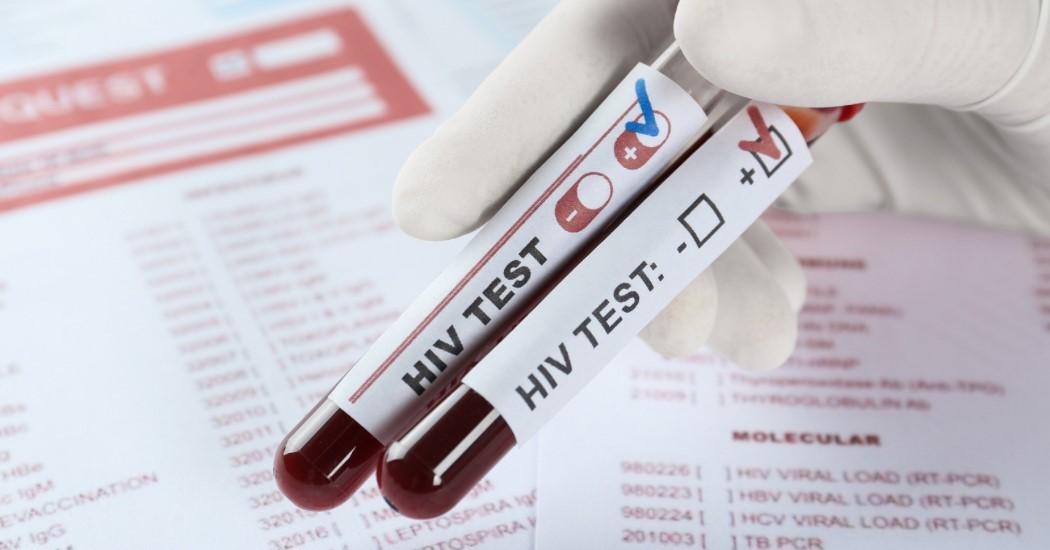
Understanding the possible early signs of HIV can help people recognize when they may need professional medical advice. An HIV Test in Dubai can provide information about HIV infection, but symptoms alone cannot confirm whether someone has HIV. Some people develop noticeable symptoms soon after infection, while others may experience mild symptoms or no symptoms at all.
Early HIV symptoms can also resemble common viral illnesses, making them difficult to identify based only on how a person feels. If you have experienced a potential exposure, testing is more reliable than trying to determine your HIV status from symptoms.
What Happens During Early HIV Infection?
After HIV enters the body, the virus begins interacting with the immune system. Some people develop a condition often referred to as acute HIV infection, during which the immune system responds to the virus.
When symptoms occur during this stage, they can resemble those of other viral infections. They may appear relatively soon after infection, but the timing and severity vary between individuals.
Importantly, not everyone experiences an obvious illness during early infection.
Common Early Symptoms of HIV
Possible early symptoms can include fever, tiredness, sore throat, swollen lymph nodes, headache, muscle or joint aches, skin rash, night sweats, or gastrointestinal symptoms.
These symptoms are nonspecific. A person experiencing one or several of them could have many different infections or medical conditions.
For this reason, symptoms should not be treated as proof of HIV infection.
Can Fever Be an Early Sign?
Fever can occur during acute HIV infection, but it is not specific to HIV.
Many common viral and bacterial infections can cause fever. If fever develops after a possible HIV exposure, it is reasonable to speak with a healthcare professional about the situation, particularly if other symptoms are also present.
The healthcare provider can determine whether HIV testing or other medical evaluation is appropriate.
Can a Sore Throat Be Related to HIV?
A sore throat may occur during acute HIV infection, but it is much more commonly associated with numerous other conditions.
A sore throat by itself does not indicate HIV. Even when it occurs together with other symptoms, laboratory testing is needed to determine whether HIV infection is present.
If you have concerns following a possible exposure, explain the exposure history to a healthcare professional rather than relying on symptoms.
Can Swollen Lymph Nodes Occur?
Swollen lymph nodes can occur during the body's response to many infections, including some cases of acute HIV infection.
However, swollen lymph nodes are not unique to HIV. They can develop with common respiratory infections and many other illnesses.
Their presence therefore cannot establish an HIV diagnosis.
Can a Skin Rash Be an Early HIV Symptom?
Some people with acute HIV infection may develop a skin rash. The appearance, location, and severity can vary.
However, rashes have numerous possible causes, including allergies, viral infections, medications, and skin conditions. A rash should therefore not be used as a way to diagnose HIV.
If a rash develops following a possible exposure, a healthcare professional can assess it and determine whether HIV testing or other evaluation is appropriate.
Can HIV Cause Tiredness?
Fatigue or unusual tiredness can occur during acute HIV infection. It can also occur with many everyday conditions, including stress, inadequate sleep, common infections, and other health problems.
Persistent or unexplained fatigue should be discussed with a healthcare professional when appropriate, but it cannot by itself indicate HIV.
Can HIV Cause No Symptoms?
Yes. Some people may not experience noticeable symptoms after acquiring HIV.
This is one of the most important reasons not to rely on symptoms when considering HIV testing. Someone can feel healthy while still having an HIV infection.
If there has been a potential exposure, testing can provide information that symptoms cannot.
Why Symptoms Cannot Diagnose HIV
Most early HIV symptoms are nonspecific. Fever, fatigue, sore throat, rash, swollen lymph nodes, and body aches can all occur with many different illnesses.
Even a combination of these symptoms cannot confirm HIV.
A specific HIV test is needed to identify evidence of infection. The type of test and timing are important because testing too early can fall within the window period.
Understanding the HIV Window Period
The HIV window period is the period after infection during which a particular test may not yet reliably detect HIV.
Different tests look for different markers. Fourth-generation antigen/antibody tests detect both HIV antibodies and the p24 antigen, while antibody-only tests detect the immune response. HIV RNA tests look for viral genetic material.
Because the detection timeline differs between tests, a healthcare professional should interpret the result in relation to the time since possible exposure.
What If You Have Symptoms After a Possible Exposure?
If you develop symptoms after a possible HIV exposure, contact a healthcare professional and explain when the exposure occurred.
The clinician may recommend HIV testing and potentially other investigations depending on your symptoms and circumstances.
Do not assume that symptoms mean you have HIV, but also do not ignore a significant exposure simply because symptoms are absent.
What If You Have No Symptoms After Exposure?
The absence of symptoms does not eliminate the possibility of HIV infection.
Some people with HIV may remain without noticeable symptoms, particularly during certain stages. Therefore, if an exposure creates a genuine concern, testing should be considered according to professional medical advice.
Testing decisions should be based on exposure circumstances and appropriate timing rather than symptoms alone.
HIV Testing in Dubai
If you are considering an HIV Test in Dubai, a qualified healthcare provider or testing clinic can explain the available testing options.
Before your appointment, it can be useful to know approximately when the possible exposure occurred. The healthcare professional may use this information to determine which test is appropriate and whether follow-up testing should be considered.
You can also ask about confidentiality, sample collection, result timing, and whether other STI screening is available.
What Happens During an HIV Test?
Many HIV tests involve a blood sample collected from a vein in the arm. The sample is then analyzed for HIV-related markers according to the selected testing method.
Fourth-generation laboratory testing can look for HIV antigen and antibodies. Other tests may focus on antibodies or viral genetic material.
The healthcare professional can explain which test is being used and how the result should be interpreted.
Should You Test for Other STIs?
If your concern follows a sexual exposure, you may also need to discuss other sexually transmitted infections with a healthcare professional.
An HIV test does not automatically screen for infections such as syphilis, hepatitis B, hepatitis C, chlamydia, or gonorrhea. Different tests are required for these conditions.
A healthcare provider can assess your circumstances and recommend appropriate screening.
Key Takeaway
Early HIV infection can cause symptoms such as fever, fatigue, sore throat, swollen lymph nodes, rash, and body aches, but these symptoms are not specific to HIV. Some people may experience no symptoms at all.
If you are concerned about a possible exposure, an HIV Test in Dubai can provide more useful information than relying on symptoms. Speak with a qualified healthcare professional about the appropriate test, timing, and whether follow-up testing is necessary.

 English
 Arabic
 French
 Spanish
 Portuguese
 Deutsch
 Turkish
 Dutch
Dutch
 Russian
 Romaian
 Portuguese (Brazil)
 Greek
Greek
