
Can Sleeve Gastrectomy Improve Fatty Liver Disease? A Guide for Islamabad Patients
Fatty liver disease has become increasingly common among people living with obesity and metabolic health problems. Excess fat stored in the liver can affect normal liver function and, in some cases, progress to inflammation, scarring, and more serious liver complications. Because obesity is one of the major risk factors associated with metabolic dysfunction-associated steatotic liver disease (MASLD), sustainable weight loss can play an important role in improving liver health.
- Key point: Losing excess weight can help reduce fat accumulation in the liver and improve several obesity-related health problems.
- Important: Treatment should be personalized according to a patient's weight, medical history, liver health, and overall health condition.
For people struggling with severe obesity despite lifestyle changes, Sleeve Gastrectomy in Islamabad may be considered as a surgical weight-management option. Sleeve gastrectomy reduces the size of the stomach, helping patients consume smaller portions and supporting significant long-term weight loss. The resulting metabolic changes and reduction in excess body weight may also benefit people with obesity-related fatty liver disease.
- Purpose: Sleeve gastrectomy primarily targets severe obesity and can provide substantial, sustained weight loss.
- Liver connection: Weight reduction following bariatric surgery may reduce liver fat and improve metabolic health.
What Is Fatty Liver Disease?
Fatty liver disease occurs when excessive fat accumulates inside the liver. Today, the condition is commonly discussed under the term metabolic dysfunction-associated steatotic liver disease (MASLD) when it is associated with metabolic risk factors such as obesity, insulin resistance, type 2 diabetes, high blood pressure, or abnormal cholesterol levels.
- Simple fatty liver: Fat accumulates in the liver without significant inflammation or liver damage.
- Progressive disease: Some individuals may develop inflammation and liver injury, which can eventually contribute to fibrosis or cirrhosis.
- Often silent: Fatty liver may not cause obvious symptoms during its early stages.
What Causes Fatty Liver?
Several metabolic and lifestyle factors can contribute to excessive liver fat.
- Obesity or excess body weight
- Insulin resistance or type 2 diabetes
- High cholesterol or triglyceride levels
- Physical inactivity
- Excess calorie consumption
- Certain medications or medical conditions
- Metabolic syndrome
How Is Sleeve Gastrectomy Performed?
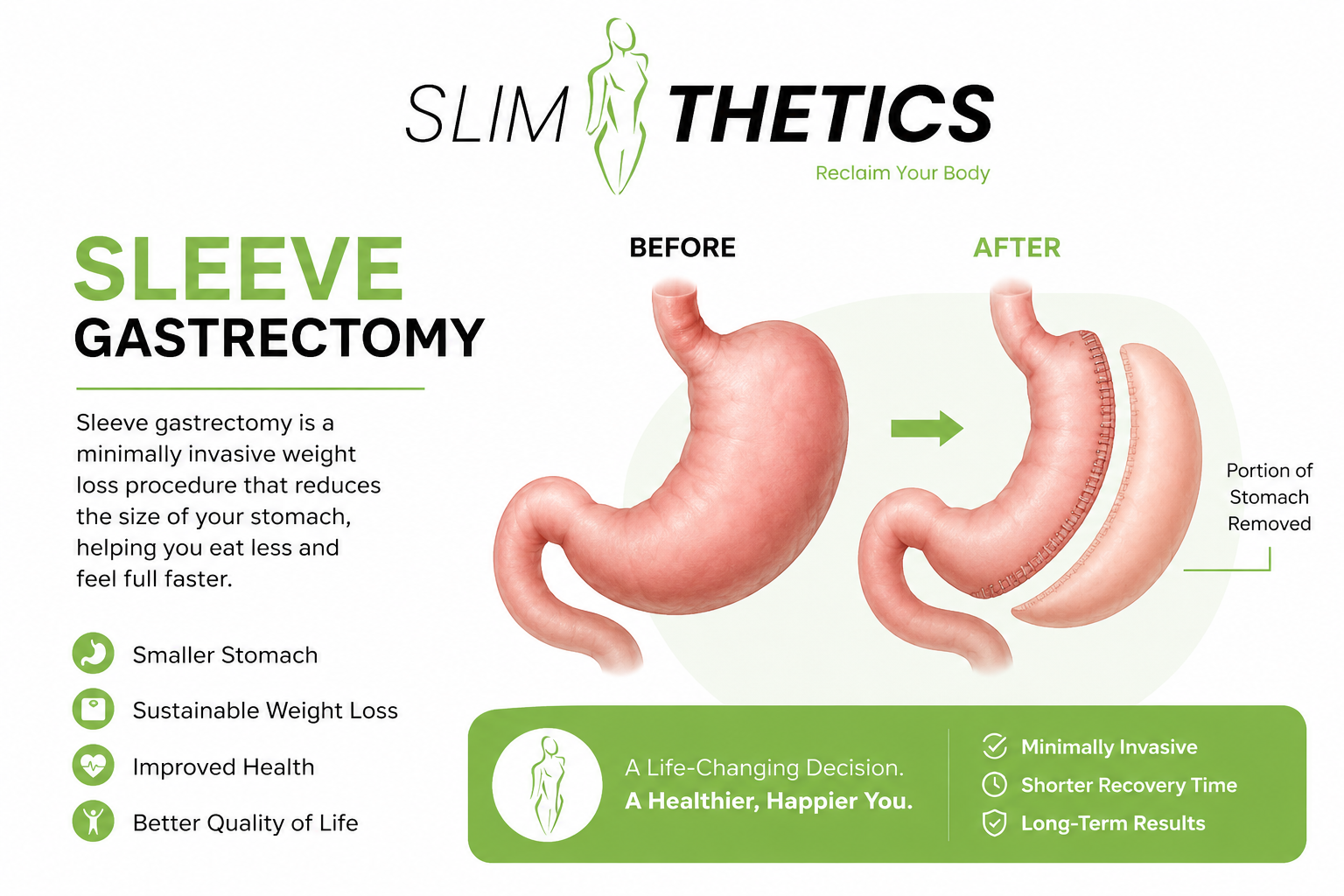
Sleeve gastrectomy is a bariatric procedure in which a large portion of the stomach is surgically removed, leaving a smaller, tube-shaped stomach. The procedure is usually performed laparoscopically through several small abdominal incisions.
- Smaller stomach: The reduced stomach capacity helps limit the amount of food consumed at one time.
- Hormonal effects: The operation can also influence appetite-related hormones, including ghrelin.
- Weight management: These effects can make long-term dietary changes easier for appropriately selected patients.
Does Sleeve Gastrectomy Directly Treat the Liver?
Sleeve gastrectomy is not primarily a liver surgery and should not be viewed as a direct treatment for every type of liver disease. Its potential liver benefits are mainly associated with the substantial weight loss and metabolic improvements that can occur after surgery.
- Primary goal: Treat severe obesity and improve weight-related health.
- Potential secondary benefit: Reduced body weight may decrease liver fat and improve metabolic risk factors.
- Medical evaluation: Patients with significant liver disease require appropriate assessment before undergoing bariatric surgery.
Can Sleeve Gastrectomy Improve Fatty Liver Disease?
For suitable patients with obesity and fatty liver disease, substantial weight loss after bariatric surgery can be associated with improvements in liver fat, metabolic health, and in some cases liver inflammation and fibrosis.
- Reduced liver fat: Losing excess weight can decrease the amount of fat stored in the liver.
- Improved insulin sensitivity: Weight loss may improve the body's response to insulin.
- Better metabolic health: Blood sugar, blood pressure, and lipid abnormalities may improve.
- Potential liver protection: Addressing obesity and metabolic risk factors may reduce the likelihood of progressive liver damage.
Research has found that bariatric surgery can produce meaningful improvements in metabolic-associated fatty liver disease in appropriately selected patients. However, the extent of improvement varies from person to person and depends on factors such as the degree of liver disease, amount of weight lost, diabetes status, and long-term lifestyle habits.
How Weight Loss May Benefit the Liver
Weight reduction is one of the most important factors connecting bariatric surgery with potential improvements in fatty liver disease.
Reduction in Liver Fat
When the body has excess energy available, fat can accumulate in different tissues, including the liver. Significant weight loss can help reduce this excess liver fat.
- Less fat storage: Reduced calorie intake and weight loss can lower fat accumulation.
- Metabolic improvement: Better insulin sensitivity may help regulate fat metabolism.
- Long-term benefit: Maintaining weight loss is important for sustaining improvements.
Better Blood Sugar Control
Obesity and insulin resistance are closely connected with fatty liver disease. Sleeve gastrectomy may help improve blood glucose regulation through weight loss and metabolic changes.
- Patients with obesity-related insulin resistance may experience improved glucose control.
- Some patients with type 2 diabetes may require fewer medications after substantial weight loss.
- Diabetes management should continue under medical supervision after surgery.
Improvement in Cholesterol and Triglycerides
Abnormal blood lipid levels can accompany obesity and fatty liver disease. Weight loss and improved dietary habits may contribute to healthier cholesterol and triglyceride levels.
- Lower metabolic risk may support overall cardiovascular health.
- Improved lipid levels can complement other fatty liver management strategies.
- Medication changes should only be made by the treating physician.
Who May Consider Sleeve Gastrectomy?
Sleeve gastrectomy is generally considered for people with obesity who meet established medical criteria for bariatric surgery and have not achieved adequate results through non-surgical weight-management approaches.
- Adults with severe obesity may be evaluated for bariatric surgery.
- People with obesity-related conditions may receive additional consideration.
- Candidates should be medically assessed before surgery.
- Psychological readiness and willingness to follow postoperative recommendations are also important.
Why Medical Assessment Matters
Not every person with fatty liver disease requires bariatric surgery. A consultation helps determine whether surgery is appropriate and whether other treatment approaches may be more suitable.
- Assessment of BMI and obesity severity
- Review of diabetes and blood pressure
- Evaluation of liver health
- Review of previous weight-loss attempts
- Nutritional assessment
- Surgical and anesthesia evaluation
- Discussion of realistic postoperative expectations
Sleeve Gastrectomy in Islamabad: What Patients Should Expect
People considering Sleeve Gastrectomy in Islamabad should look beyond the surgical procedure itself and consider the complete treatment pathway. Bariatric surgery involves preparation before the operation and ongoing lifestyle management afterward.
Before Surgery
Patients typically undergo a detailed consultation and medical evaluation before surgery.
- Discuss your weight-loss history and health concerns.
- Complete recommended laboratory and diagnostic tests.
- Follow any preoperative dietary instructions.
- Discuss medications with your healthcare team.
- Understand the expected recovery and lifestyle changes.
During Recovery
Recovery varies between individuals, but patients generally progress gradually from liquids to more substantial foods according to their surgical team's instructions.
- Follow the prescribed diet carefully.
- Stay adequately hydrated.
- Take recommended vitamins and supplements.
- Begin physical activity gradually.
- Attend scheduled follow-up appointments.
Can Fatty Liver Return After Sleeve Gastrectomy?
Although significant weight loss can improve fatty liver disease, bariatric surgery does not guarantee that liver problems will never return. Regaining substantial weight or developing uncontrolled metabolic conditions can increase the risk of recurrent liver fat.
- Weight maintenance matters: Long-term weight management supports sustained benefits.
- Healthy eating matters: Portion control and nutritious food choices remain important.
- Physical activity matters: Regular activity can support metabolic health.
- Follow-up matters: Patients with existing liver disease may require continued medical monitoring.
Sleeve Gastrectomy vs Lifestyle Treatment for Fatty Liver
Lifestyle modification remains an important component of fatty liver management. For people with obesity, healthy eating, physical activity, and sustainable weight loss can significantly benefit metabolic and liver health.
However, individuals with severe obesity who have struggled to achieve or maintain meaningful weight loss through lifestyle measures alone may be evaluated for bariatric surgery.
- Lifestyle changes: Essential for everyone and remain important after surgery.
- Medical weight management: May be appropriate for some patients.
- Bariatric surgery: Can be considered for eligible patients with severe obesity.
- Individual treatment: The best option depends on the patient's overall medical profile.
Important Questions to Ask Before Sleeve Gastrectomy
Before deciding on surgery, patients should have a clear conversation with a qualified bariatric team.
Questions About the Procedure
- Am I an appropriate candidate for sleeve gastrectomy?
- What results can I realistically expect?
- What are the possible risks and complications?
- How long will recovery take?
- What dietary changes will I need to make?
Questions About Fatty Liver
- How severe is my fatty liver disease?
- Do I need additional liver tests?
- Could weight loss improve my liver health?
- Will I need continued liver monitoring after surgery?
- Are there other treatments I should consider?
Maintaining Liver Health After Sleeve Gastrectomy
Surgery is an important step, but long-term habits have a major influence on outcomes. Patients should focus on sustainable changes rather than expecting surgery alone to manage every aspect of their health.
- Eat nutrient-dense foods in appropriate portions.
- Prioritize protein according to your dietitian's recommendations.
- Stay physically active as advised by your medical team.
- Avoid unnecessary high-calorie foods and sugary drinks.
- Take prescribed supplements consistently.
- Maintain regular medical follow-ups.
Final Thoughts
Sleeve gastrectomy can be an effective treatment option for appropriately selected patients with severe obesity, and the substantial weight loss it produces may also improve obesity-associated fatty liver disease. Reducing liver fat, improving insulin sensitivity, and addressing related metabolic problems can contribute to better overall health. However, sleeve gastrectomy should not be considered a standalone cure for liver disease, and patients with fatty liver should receive individualized medical evaluation.
If you are considering Sleeve Gastrectomy in Islamabad, choosing an experienced bariatric team and a structured postoperative program can make the journey more informed and manageable. At Slimthetics Clinic, patients can discuss their weight-loss goals, medical history, surgical options, and postoperative care with a dedicated bariatric team. A personalized consultation can help determine whether sleeve gastrectomy is an appropriate option for your weight-management journey and how it may fit into a broader plan for improving your health.

 English
 French
 Spanish
 Portuguese
 Deutsch
 Turkish
 Dutch
Dutch
 Italiano
 Russian
 Romaian
 Portuguese (Brazil)
 Greek
Greek
