
Where Style Meets Professional Hair Care
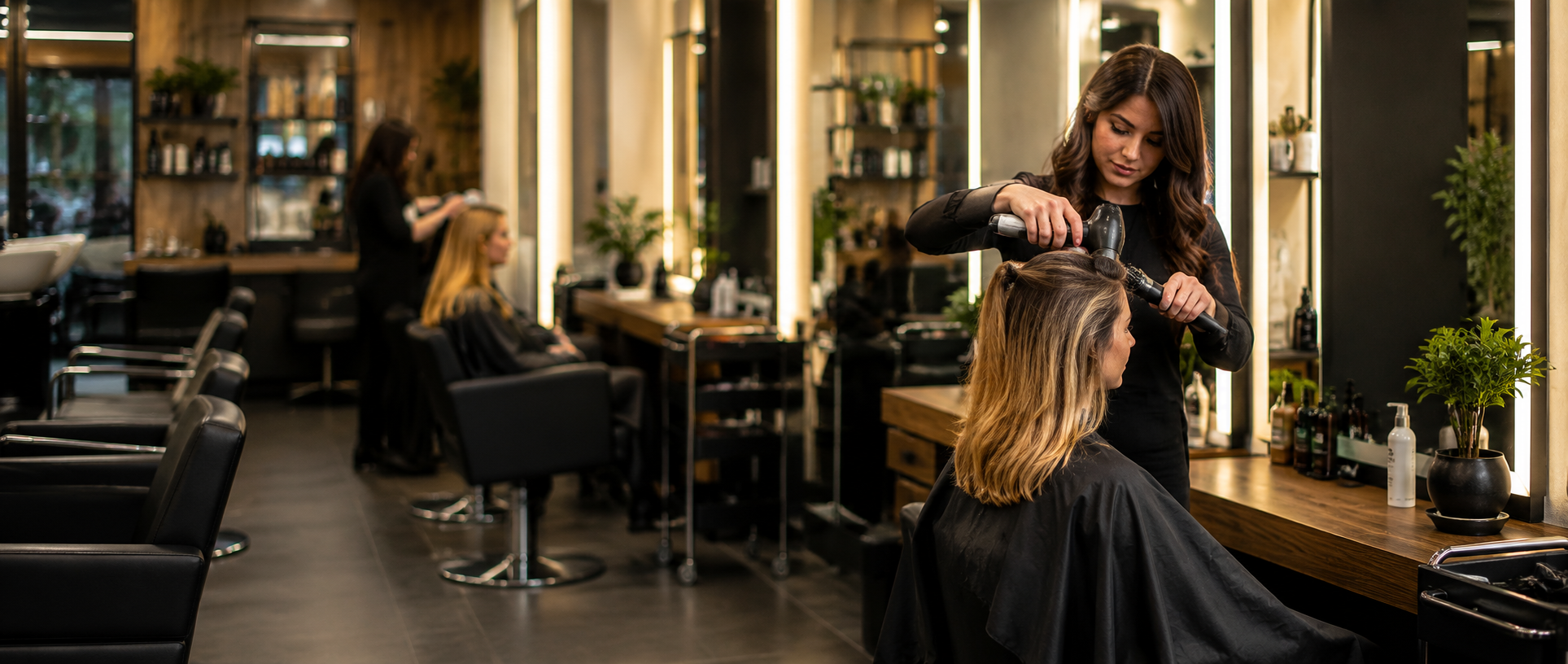
Healthy hair is often considered a reflection of overall well being and personal care. It is more than just an aesthetic asset because it acts as an extension of your personality and confidence. Understanding the delicate biology of your hair strands and the specific needs of your scalp is the first step toward achieving the vibrant and lustrous mane you have always desired.
Consistency remains the most important factor when it comes to long term hair health. While many individuals focus solely on styling, true hair vitality begins with foundational care that addresses moisture retention, protein balance, and protection against environmental stressors. By developing a routine that prioritizes hair integrity, you can prevent common issues like breakage, dryness, and dullness while fostering a better environment for natural growth and strength.
When you seek expert advice, you quickly realize the value of a professional hair salon to handle your unique texture and color goals safely and effectively. Expertise matters because every head of hair responds differently to chemicals, heat, and environmental factors. Relying on someone who understands hair science ensures that your hair remains healthy during transformation processes, allowing you to enjoy beautiful results without sacrificing the longevity or texture of your hair.
Understanding Your Unique Hair Texture and Type
Before selecting the right products or services, you must identify your specific hair profile. Hair is broadly categorized into texture types such as straight, wavy, curly, and coily. Within these categories, the diameter of the individual strands also plays a crucial role in how the hair behaves. Fine hair tends to be delicate and easily weighed down by heavy oils, while thick, coarse hair often requires intense hydration to remain manageable and soft.
Porosity is another vital factor that determines how your hair absorbs and retains moisture. High porosity hair has gaps or holes in the cuticle layer, allowing it to absorb water quickly but also lose it just as fast. This type of hair often feels dry and frizzy. Conversely, low porosity hair is tightly bound, making it difficult for moisture to penetrate the strand. Identifying these traits helps you choose the correct shampoos, conditioners, and treatment masks that cater specifically to your hair needs rather than relying on generic products that may not offer the necessary benefits.
The Essential Role of Professional Hair Care Treatments
While home care is essential, there is a distinct difference between daily maintenance and the intensive treatments offered by experts. Deep conditioning, protein rebuilding treatments, and specialized scalp therapies are designed to penetrate the hair shaft more effectively than consumer grade products. These treatments can restore amino acids and structural integrity to hair that has been damaged by thermal styling or chemical processing.
A professional approach also includes the use of bond building technology that repairs the internal structure of the hair. When hair undergoes bleaching or significant heat exposure, the disulfide bonds inside the hair shaft break, leading to weakness. Salon grade treatments can help bridge these gaps, strengthening the hair from the inside out. Incorporating these treatments into your regular maintenance schedule ensures that your hair stays resilient against daily wear and tear.
Achieving the Perfect Color Results
Hair coloring is an art form that requires a deep understanding of color theory, chemistry, and precision application. Achieving your dream shade, whether it is a subtle balayage, vibrant fashion colors, or a natural root touch up, requires more than just applying a dye. It involves assessing the underlying pigment of your hair and ensuring the lifting process does not compromise the health of the strands.
Going to a professional ensures that the color is applied with the correct developer strength to achieve the desired lift while minimizing damage. Furthermore, specialists are trained to blend colors seamlessly, creating a natural look that grows out beautifully. They can also recommend gloss treatments and toners that keep your color fresh and vibrant between appointments, preventing brassiness or fading that often occurs with improper at home color management.
The Difference Between Salon Grade and Store Bought Products
The ingredients found in professional products are vastly different from those mass produced for drugstore shelves. Professional lines focus on higher concentrations of active ingredients like hydrolyzed proteins, essential oils, and advanced humectants that provide genuine structural repair and nourishment. Mass market products often rely on heavy silicones and waxes that coat the hair to make it feel smooth temporarily, but these ingredients can create buildup over time that prevents moisture from actually entering the hair shaft.
Using high quality products also means utilizing pH balanced formulas. Hair has a natural acidic pH level, and when this balance is disrupted by harsh, high pH shampoos, the cuticle lifts, leading to tangles and loss of shine. Professional products are designed to seal the cuticle, locking in moisture and preventing color fade. Investing in these products is a long term commitment to the health of your hair, saving you money in the long run by reducing the need for emergency repairs or excessive cutting due to damaged ends.
Scalp Health as the Foundation of Hair Growth
Many people focus exclusively on the hair strands while neglecting the skin beneath. However, a healthy scalp is the foundation for strong hair growth. Factors such as product buildup, excess sebum, and environmental debris can clog hair follicles and inhibit healthy growth. Scalp exfoliation and the use of targeted serums can remove these obstructions, promoting better circulation and hair follicle vitality.
Maintaining scalp hygiene involves more than just washing your hair. It requires regular cleansing to remove accumulated impurities and using soothing ingredients that calm inflammation. If you suffer from a dry, itchy, or overly oily scalp, it is often a sign that your current product routine is not addressing the specific biological needs of your skin. A professional consultation can help determine if you need specialized scalp treatments to resolve these underlying issues, which will lead to visibly healthier and more resilient hair.
Daily Habits That Damage Your Hair
Understanding what habits cause damage is just as important as knowing what helps. One of the most common mistakes is excessive heat styling without the use of proper thermal protectants. Heat strips the hair of its natural moisture and alters the protein structure, leading to split ends and breakage. If you must use heat, always ensure you have a high quality protective spray or serum that shields your strands from temperatures that exceed the hair safety threshold.
Towel drying can also be a significant source of damage. Rubbing your hair aggressively with a rough bath towel creates friction, which lifts the cuticle and leads to frizz and breakage. Instead, use a microfiber towel or a soft cotton t-shirt to gently blot the water from your hair. Additionally, avoid tying your hair back too tightly with elastic bands that contain metal pieces, as these can cause mechanical breakage along the hairline and mid shaft.
Seasonal Adjustments for Your Haircare Routine
Your hair care routine should not remain static throughout the year. The change in seasons significantly impacts the needs of your hair. During the summer, hair is exposed to higher levels of UV radiation, chlorine from swimming pools, and saltwater, all of which can dry out the hair and fade color. UV protective sprays and hydrating masks are essential during these months to prevent sun damage and maintain moisture levels.
Winter, on the other hand, brings low humidity and indoor heating that can suck moisture out of your hair, leading to static and brittle strands. During this time, it is vital to increase the frequency of deep conditioning treatments and perhaps switch to a richer, oil based leave in conditioner. Adjusting your regimen to suit the climate ensures that your hair remains balanced, soft, and manageable regardless of the weather conditions.
Vibrant Color and Shine
If you love experimenting with hair color, maintaining that brilliance requires a proactive approach. Color treated hair is more susceptible to environmental stressors such as UV rays, hard water, and heat styling. To keep your color looking fresh between salon visits, it is important to adjust your washing habits. Overwashing can strip natural oils and color pigments, so try to stretch the time between washes and always use cool water to seal the cuticle. Hot water causes the hair cuticle to swell, which allows color to fade much faster.
Investing in color safe, sulfate free shampoo and conditioner is a vital habit. Sulfates are strong detergents that can be too aggressive, leading to premature fading and stripped moisture. Products specifically formulated for color treated hair often contain UV filters and antioxidants that protect the hair from environmental damage. Additionally, adding a gloss or glaze treatment at your salon can refresh your tone and add incredible shine without the need for a full color service. These treatments are excellent for bridging the gap between major touch ups.
Deep conditioning is another non negotiable for maintaining shine. Color processing, even with the highest quality products, can leave the hair shaft slightly more porous. Regular hydration masks act as a top coat for your hair, smoothing down the cuticle so that it reflects light more effectively. When the cuticle is smooth, your hair looks healthier, shinier, and more vibrant. Do not wait for your hair to feel damaged before you start a deep conditioning routine; prevention is always more effective than restoration.
Why Professional Expertise Matters
It is tempting to rely on DIY tutorials or drugstore products to save time and money, but professional intervention is often what separates good hair from great hair. A licensed stylist brings years of education and experience to the chair. They understand color theory, which is essential for correcting unwanted tones and achieving the perfect shade for your skin tone. They also understand the chemistry behind hair products, ensuring that the services performed are compatible with the current health of your hair.
Beyond technical skill, professional stylists provide a level of objectivity that is difficult to achieve on your own. It is easy to become attached to a specific look that may no longer be serving your current hair condition or lifestyle. A stylist can offer honest feedback and suggest modern alternatives that might be more flattering or easier to manage. This collaborative relationship is exactly what Salotto Salon fosters. When you engage in a consultation, you are entering a partnership where your goals are heard, and your hair is analyzed with professional precision.
Furthermore, professional salons have access to high performance products that are not available to the general public. These products are often more concentrated and effective at repairing broken bonds or providing structural support. Whether you are seeking a complete transformation or simply a trim to maintain your style, the professional equipment, high grade color formulas, and expert techniques found in a salon environment ensure that the results are consistent and long lasting. Entrusting your hair to professionals is an investment in your confidence.
Seasonal Hair Care Adjustments
Just as you change your wardrobe with the seasons, your hair care routine should evolve to meet environmental changes. During the winter, the air is typically drier, both outside and inside due to heating systems. This lack of humidity can cause hair to become static, dry, and brittle. During these months, you should prioritize heavier moisture products, such as rich conditioners, leave in oils, and cream based styling products to lock in hydration and prevent breakage.
Summer brings a different set of challenges, including increased sun exposure, humidity, and more frequent swimming in pools or the ocean. UV rays can weaken the hair shaft and fade color, while salt and chlorine can dehydrate the hair and alter its texture. In the summer, look for products with UV protection and consider wearing hats or scarves when spending extended time in the sun. Clarifying shampoos may also be necessary during the summer to remove mineral buildup from water exposure, but be sure to follow up with a deep moisture treatment to maintain balance.
Autumn and spring are transitional periods where you might focus on recovery and preparation. After the harsh elements of summer or winter, spring and fall are excellent times to schedule a deep repair treatment or a trim to remove split ends. Adjusting your routine based on the climate ensures that your hair remains consistent throughout the year. Being mindful of these shifts allows you to provide your hair with exactly what it needs, when it needs it, preventing seasonal damage before it starts.
Frequently Asked Questions
What are the benefits of using professional grade hair products over drugstore brands?
Professional grade products are formulated with higher concentrations of active ingredients and fewer fillers. They are designed to deliver specific results, such as repairing broken bonds, enhancing color longevity, or providing targeted moisture. These products work more effectively to improve the health and integrity of your hair, whereas many consumer grade products provide temporary cosmetic effects without addressing the underlying needs of the hair.
How often should I get a haircut to maintain healthy hair?
The frequency of your haircuts depends on your hair length, style, and texture. Generally, for those looking to maintain a specific shape and prevent split ends from traveling up the hair shaft, a trim every six to eight weeks is recommended. If you are growing your hair out, you might be able to extend this to ten or twelve weeks, but regular maintenance is still necessary to keep the ends healthy and prevent breakage.
What is a balayage service and is it right for me?
Balayage is a freehand hair painting technique that creates a natural, sun kissed highlight effect. It is a highly versatile service that works on many hair types and colors. It is generally a lower maintenance option compared to traditional foil highlights because the regrowth is more blended. Your stylist can determine if your current hair color and texture are suitable for balayage during a personal consultation.
How can I repair damaged or brittle hair?
Repairing damaged hair is a process that requires patience and the right regimen. It involves using bonding treatments that help relink the structure of the hair, along with consistent deep conditioning to restore moisture. At Salotto Salon, we often recommend professional bonding systems like Olaplex to rebuild the internal strength of the hair. It is also important to minimize heat styling and chemical processing until the hair has regained its elasticity and shine.
Can I really improve my hair health just by changing my daily routine?
Absolutely. While genetics play a role, the vast majority of hair health is determined by how you treat your hair on a daily basis. By choosing the right shampoo and conditioner for your specific needs, protecting your hair from environmental damage, reducing the use of high heat styling tools, and scheduling regular professional maintenance, you can significantly improve the texture, strength, and appearance of your hair over time. Consistency is the key.
Conclusion
Maintaining healthy, vibrant hair is a rewarding journey that blends science, personal care, and expert guidance. By understanding your unique hair texture, nourishing your scalp, adjusting your habits to the changing seasons, and investing in high quality products, you set the stage for your hair to look its best. It is a commitment to yourself that pays off in the form of confidence and style that reflects your personality.

 English
 Arabic
 French
 Spanish
 Portuguese
 Deutsch
 Turkish
 Dutch
Dutch
 Italiano
 Russian
 Romaian
 Greek
Greek
