
Hysterectomy Surgical Instruments and Fibroid Surgery Instruments: A Complete Guide to Modern Gynecological Surgical Equipment
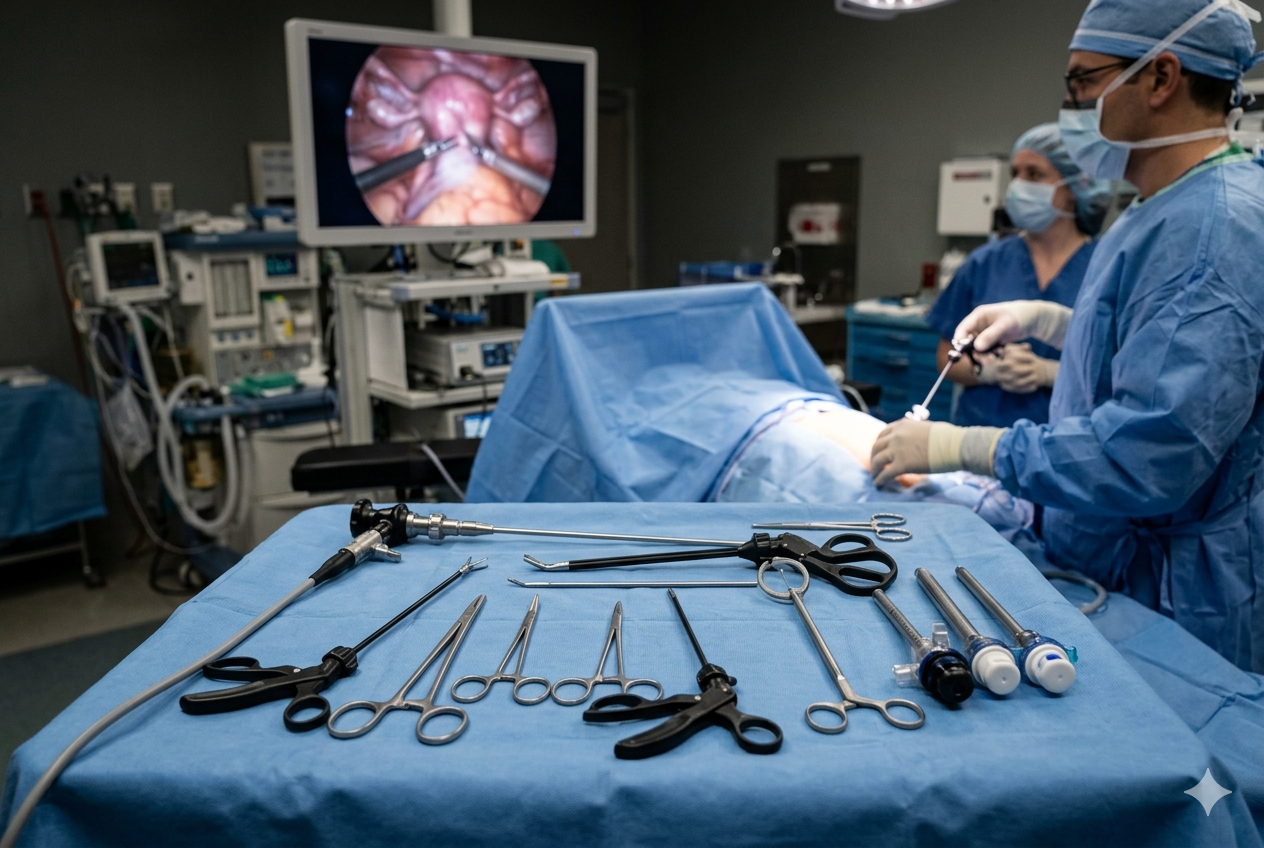
Advancements in minimally invasive surgery have transformed the field of gynecology, enabling surgeons to perform complex procedures with greater precision, improved patient safety, and faster recovery times. Central to these developments are high-quality hysterectomy surgical instruments and fibroid surgery instruments, which are specifically designed to support surgeons during delicate gynecological procedures.
Whether performing laparoscopic, vaginal, or open gynecological surgeries, healthcare providers rely on dependable surgical instruments to deliver consistent clinical outcomes. Modern operating rooms require equipment that combines precision engineering, ergonomic design, durability, and compatibility with evolving surgical techniques.
Healthcare facilities looking for premium hysterectomy surgical instruments can explore advanced minimally invasive surgical solutions from VenturisMed. Hospitals and surgical centers can also discover professional fibroid surgery instruments designed to support modern gynecological procedures and improve operating room efficiency.
The Evolution of Gynecological Surgery
Gynecological surgery has changed significantly over the past few decades. Traditional open procedures have increasingly been replaced by minimally invasive approaches that utilize specialized instruments and advanced visualization technologies.
These innovations have helped improve surgical precision while reducing patient recovery times.
Today, minimally invasive gynecological surgery offers several important benefits when clinically appropriate, including:
-
Smaller surgical incisions
-
Reduced postoperative discomfort
-
Faster recovery
-
Shorter hospital stays
-
Lower risk of wound-related complications
-
Improved cosmetic outcomes
These advantages have increased the demand for specialized instruments capable of supporting complex gynecological procedures.
Understanding Hysterectomy Surgical Instruments
A hysterectomy involves the surgical removal of the uterus and may be performed using different surgical approaches depending on the patient's condition and clinical requirements.
To perform these procedures efficiently, surgeons depend on a variety of specialized hysterectomy surgical instruments designed for precision and reliability.
Modern hysterectomy instruments typically emphasize:
-
Precision handling
-
Ergonomic comfort
-
Reliable performance
-
Durable construction
-
Compatibility with minimally invasive techniques
Healthcare professionals can explore hysterectomy surgical instruments to learn more about advanced surgical technologies that support modern operating rooms.
What Are Fibroid Surgery Instruments?
Fibroid surgery instruments are specialized surgical tools used during procedures involving uterine fibroids. These instruments support surgeons in performing selected minimally invasive or conventional gynecological procedures with improved precision and efficiency.
Modern fibroid surgery equipment is engineered to provide:
-
Excellent surgical control
-
Reliable performance
-
High manufacturing quality
-
Comfortable ergonomics
-
Long-term durability
Proper instrument selection contributes to efficient operating room workflows while supporting clinical excellence.
Why Specialized Gynecological Instruments Matter
Gynecological procedures often involve delicate anatomy that requires exceptional surgical precision.
Purpose-built instruments offer several important advantages.
Enhanced Precision
Specialized instruments allow surgeons to perform controlled and accurate movements during complex procedures.
Improved Operating Room Efficiency
Reliable equipment helps reduce procedural interruptions while supporting smooth surgical workflows.
Greater Surgeon Comfort
Ergonomic handles and balanced designs reduce fatigue during longer operations.
Long-Term Reliability
High-quality instruments withstand repeated sterilization while maintaining consistent performance.
Common Applications of Hysterectomy Surgical Instruments
Depending on the patient's clinical needs, hysterectomy instruments may be used during various surgical approaches.
Potential applications include:
-
Laparoscopic hysterectomy
-
Vaginal hysterectomy
-
Open abdominal hysterectomy
-
Robot-assisted gynecological surgery
-
Other selected gynecological procedures
The appropriate surgical technique should always be determined by the treating surgeon based on current clinical guidelines and individual patient assessment.
Applications of Fibroid Surgery Instruments
Specialized fibroid surgery instruments may be used during procedures involving uterine fibroids where clinically appropriate.
These may include selected:
-
Minimally invasive fibroid procedures
-
Laparoscopic interventions
-
Open surgical procedures
-
Tissue management techniques
-
Advanced gynecological surgeries
Healthcare providers should always follow current clinical recommendations and institutional protocols.
Features of High-Quality Surgical Instruments
Selecting premium surgical equipment requires careful evaluation of several important characteristics.
Precision Engineering
Modern manufacturing techniques produce instruments capable of delivering consistent clinical performance.
Ergonomic Design
Comfortable instruments improve surgeon control and support precision throughout lengthy procedures.
Durable Materials
Premium-grade materials help ensure long service life despite repeated cleaning and sterilization.
Reliable Functionality
Dependable performance contributes to improved operating room efficiency and clinical confidence.
Choosing the Right Surgical Equipment
Hospitals and procurement teams should evaluate several important factors before purchasing gynecological surgical instruments.
Clinical Compatibility
Equipment should support the procedures routinely performed within the facility.
Product Quality
High-quality instruments generally offer:
-
Greater durability
-
Improved precision
-
Consistent performance
-
Lower maintenance requirements
Manufacturer Support
Reliable suppliers provide technical expertise, training resources, and ongoing customer support.
Regulatory Compliance
Healthcare organizations should ensure purchased equipment meets applicable quality and regulatory standards.
Supporting Patient Safety
Patient safety remains the highest priority during every gynecological procedure.
Healthcare providers should ensure:
-
Comprehensive patient evaluation
-
Appropriate informed consent
-
Compliance with current clinical guidelines
-
Proper surgeon training
-
Ongoing quality assurance
Advanced instruments enhance—but never replace—clinical expertise and careful surgical planning.
Equipment Maintenance
Routine maintenance helps preserve instrument quality while supporting safe surgical practice.
Healthcare facilities should establish maintenance protocols that include:
-
Routine inspection
-
Manufacturer-approved cleaning
-
Proper sterilization
-
Preventive servicing
-
Documentation of maintenance activities
Consistent maintenance extends equipment lifespan while promoting dependable performance.
Training and Professional Development
Successful adoption of advanced surgical technologies requires ongoing education.
Healthcare professionals benefit from:
-
Manufacturer training programs
-
Continuing medical education
-
Hands-on workshops
-
Clinical simulation
-
Peer collaboration
Ongoing education ensures surgical teams remain current with evolving technologies and best practices.
Selecting a Trusted Medical Equipment Supplier
Choosing the right supplier is an essential part of purchasing surgical equipment.
A trusted medical technology partner offers:
-
High-quality surgical instruments
-
Clinical expertise
-
Technical support
-
Product education
-
Reliable after-sales service
Healthcare organizations benefit from suppliers that understand the demands of modern minimally invasive surgery.
Explore professional hysterectomy surgical instruments designed to support today's gynecological surgeons.
Hospitals and surgical centers can also review advanced fibroid surgery instruments that contribute to efficient and reliable operating room performance.
Future Trends in Gynecological Surgery
The future of gynecological surgery continues to be shaped by innovation in surgical technology.
Emerging developments are expected to focus on:
-
Enhanced instrument precision
-
Improved ergonomics
-
Greater digital integration
-
Advanced minimally invasive techniques
-
Smarter surgical technologies
-
Increased operating room efficiency
Healthcare providers investing in modern equipment today will be well-positioned to adopt future advancements as they become available.
Long-Term Value of Premium Surgical Instruments
Although premium surgical instruments require an initial investment, they frequently provide significant long-term value.
Benefits include:
-
Extended equipment lifespan
-
Lower maintenance costs
-
Greater clinical confidence
-
Improved operating room productivity
-
Better return on investment
Quality equipment supports sustainable healthcare operations while contributing to consistent patient care.
Conclusion
Modern hysterectomy surgical instruments and fibroid surgery instruments play a critical role in supporting today's minimally invasive gynecological procedures. These specialized devices help surgeons perform complex operations with precision, reliability, and efficiency while supporting many of the advantages associated with modern surgical techniques.
When selecting gynecological surgical equipment, healthcare organizations should consider product quality, clinical compatibility, ergonomics, maintenance requirements, manufacturer support, and available training resources. By partnering with trusted medical equipment providers and investing in advanced surgical technologies, hospitals can strengthen operating room performance, support high standards of patient care, and prepare for the continued evolution of minimally invasive surgery.
Frequently Asked Questions (FAQs)
1. What are hysterectomy surgical instruments?
Hysterectomy surgical instruments are specialized tools used to perform hysterectomy procedures, including laparoscopic, vaginal, and abdominal approaches, depending on the patient's clinical needs.
2. What are fibroid surgery instruments?
Fibroid surgery instruments are surgical devices designed to assist healthcare professionals during procedures involving uterine fibroids, supporting precision and efficient tissue management.
3. Why are specialized gynecological instruments important?
Specialized instruments improve surgical precision, enhance ergonomics, support reliable performance, and contribute to efficient operating room workflows during gynecological procedures.
4. How should gynecological surgical instruments be maintained?
Healthcare facilities should follow manufacturer recommendations for cleaning, sterilization, routine inspection, preventive maintenance, and proper storage to preserve instrument quality and patient safety.
5. What should hospitals consider before purchasing gynecological surgical equipment?
Hospitals should evaluate clinical compatibility, product quality, ergonomics, manufacturer reputation, regulatory compliance, maintenance support, and staff training before making purchasing decisions.
6. Why choose a specialist medical equipment supplier?
A specialist supplier provides high-quality surgical technologies, technical expertise, product education, dependable customer support, and after-sales service, helping healthcare organizations maintain efficient, reliable, and modern operating room environments.

 English
 Arabic
 French
 Portuguese
 Deutsch
 Turkish
 Dutch
Dutch
 Italiano
 Russian
 Romaian
 Portuguese (Brazil)
 Greek
Greek
