
Laparoscopic Morcellator vs Gynecological Morcellator: A Comprehensive Guide for Modern Minimally Invasive Surgery
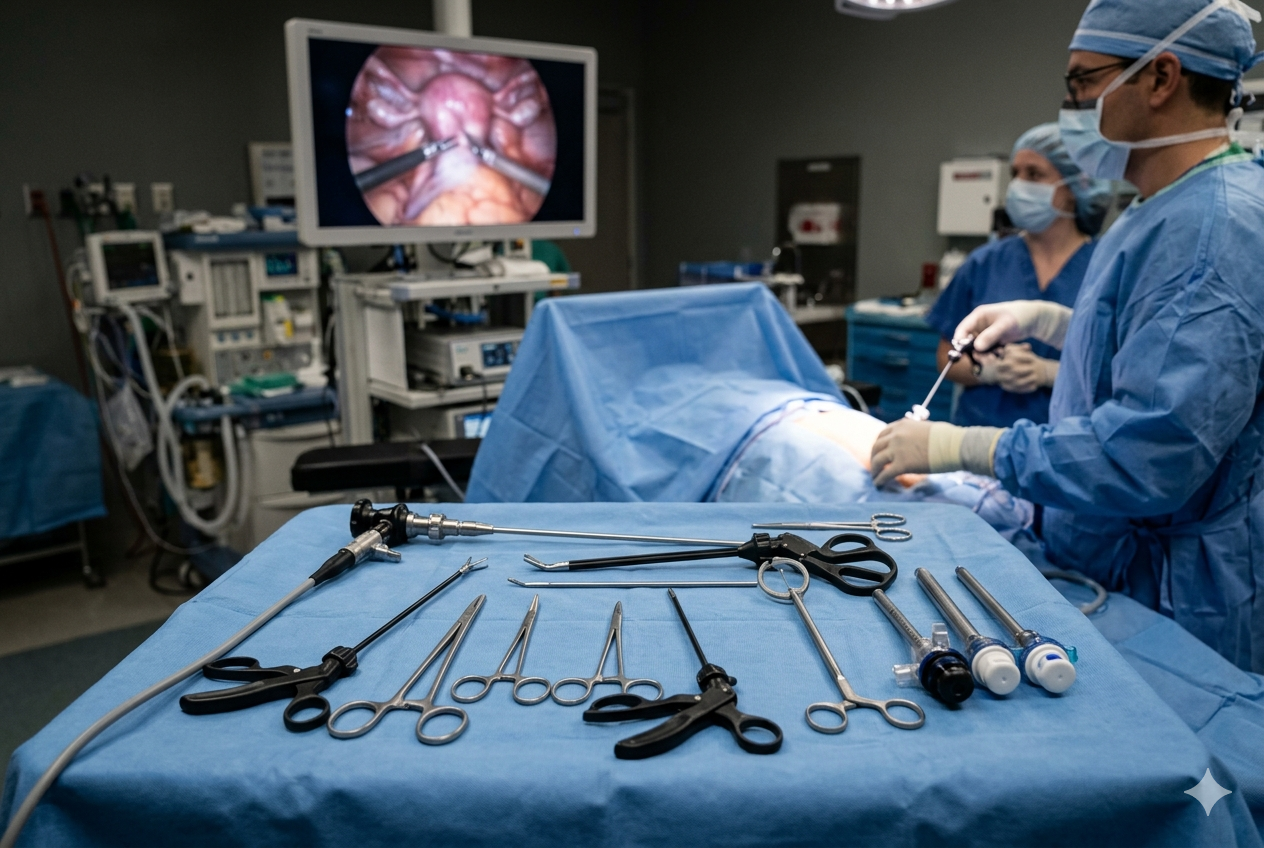
Minimally invasive surgery has transformed modern healthcare by enabling surgeons to perform complex procedures through smaller incisions, resulting in reduced postoperative pain, shorter hospital stays, faster recovery times, and improved patient outcomes. Among the specialized instruments that have contributed to this advancement are laparoscopic morcellators and gynecological morcellators. These devices play an important role in tissue extraction during selected minimally invasive procedures, helping surgeons complete operations efficiently while maintaining the benefits of laparoscopic techniques.
Healthcare professionals searching for a laparoscopic morcellator or a gynecological morcellator need equipment that combines precision, reliability, safety, and ergonomic design. Understanding the applications, benefits, technological developments, and selection criteria for these devices can help hospitals, surgical centers, and procurement teams make informed purchasing decisions.
To explore a range of advanced surgical solutions, visit laparoscopic morcellator solutions from VenturisMed. Healthcare facilities can also learn more about gynecological morcellator systems and other minimally invasive surgical technologies available through the company.
The Evolution of Minimally Invasive Surgery
Over the past few decades, laparoscopic surgery has become the preferred approach for many abdominal and gynecological procedures. Rather than relying on large surgical incisions, laparoscopic techniques use specialized instruments inserted through small ports, allowing surgeons to perform complex operations with greater precision and less trauma to surrounding tissues.
The widespread adoption of minimally invasive surgery has been driven by several advantages, including:
-
Smaller surgical incisions
-
Reduced postoperative discomfort
-
Faster patient recovery
-
Lower risk of wound complications
-
Shorter hospital stays
-
Improved cosmetic outcomes
As these procedures have become more advanced, specialized instruments such as morcellators have played a significant role in supporting efficient tissue management during selected surgeries.
What Is a Laparoscopic Morcellator?
A laparoscopic morcellator is a surgical instrument used during certain minimally invasive procedures to divide and remove tissue through laparoscopic ports. The device allows surgeons to extract tissue without requiring larger incisions, helping preserve many of the advantages associated with minimally invasive surgery.
Modern laparoscopic morcellators are designed with features that support:
-
Precision tissue management
-
Ergonomic handling
-
Reliable performance
-
Compatibility with minimally invasive surgical techniques
-
Efficient workflow in the operating room
Hospitals seeking advanced surgical technologies can explore laparoscopic morcellator solutions to learn more about available options.
Understanding the Role of Gynecological Morcellators
Gynecological morcellators are designed specifically for use in selected gynecological procedures where tissue extraction is required as part of minimally invasive surgery. These devices assist surgeons in managing tissue while maintaining the benefits of laparoscopic approaches in appropriately selected cases.
Common areas where specialized gynecological instruments may be incorporated into surgical workflows include procedures involving uterine tissue and other gynecological interventions, subject to current clinical guidelines and patient selection.
Healthcare providers considering new equipment can review gynecological morcellator systems alongside other minimally invasive surgical technologies.
Benefits of Modern Morcellator Technology
Advances in medical engineering have significantly improved the design and functionality of morcellators.
Key advantages include:
Support for Minimally Invasive Procedures
Morcellators facilitate tissue extraction through laparoscopic access points, helping surgeons maintain smaller incisions where clinically appropriate.
Improved Surgical Workflow
Efficient instrument design can contribute to smoother procedural workflows and optimized operating room efficiency.
Ergonomic Design
Modern devices are engineered to improve surgeon comfort during procedures, supporting better instrument control.
Precision Engineering
High manufacturing standards help ensure dependable performance throughout surgical procedures.
Clinical Applications
Morcellators may be used during selected minimally invasive procedures based on clinical judgment, current evidence, and patient-specific factors.
Potential applications may include:
-
Selected gynecological surgeries
-
Tissue extraction during laparoscopic procedures
-
Minimally invasive surgical interventions
-
Advanced laparoscopic operating techniques
Healthcare providers should always follow current professional guidelines, institutional protocols, and manufacturer instructions when determining appropriate use.
Important Considerations Before Selecting a Morcellator
Choosing surgical equipment involves evaluating several factors beyond price alone.
Clinical Requirements
Healthcare facilities should assess the types of procedures performed and select equipment appropriate for their surgical specialties.
Device Quality
High-quality instruments typically offer:
-
Consistent performance
-
Reliable operation
-
Durable construction
-
Long service life
-
Improved user confidence
Ergonomics
Comfortable instrument handling supports precise surgical movements and may contribute to procedural efficiency.
Manufacturer Support
Reliable technical support, training resources, and product documentation are valuable considerations when investing in surgical technology.
Safety and Clinical Decision-Making
Patient safety remains the highest priority during every surgical procedure. The use of morcellation should always be based on careful patient selection, informed consent, current clinical evidence, and applicable professional guidelines.
Healthcare institutions should ensure:
-
Appropriate patient evaluation
-
Compliance with regulatory recommendations
-
Surgeon training
-
Institutional protocols
-
Ongoing quality assurance
Clinical decisions should always be individualized according to each patient's circumstances.
The Importance of High-Quality Surgical Instruments
Operating room performance depends heavily on the reliability of surgical equipment.
Premium instruments often provide:
-
Greater precision
-
Improved durability
-
Reliable functionality
-
Reduced maintenance requirements
-
Consistent performance across procedures
Investing in dependable equipment contributes to efficient surgical practice and long-term value.
Training and Professional Development
Successful implementation of advanced surgical technologies requires ongoing education and training.
Healthcare professionals benefit from:
-
Hands-on training
-
Manufacturer education programs
-
Continuing medical education
-
Skills workshops
-
Peer collaboration
Proper training helps maximize both procedural efficiency and patient safety.
Maintenance and Equipment Care
Routine maintenance is essential for preserving instrument performance and extending service life.
Recommended practices include:
-
Following manufacturer cleaning protocols
-
Routine inspection of components
-
Scheduled servicing
-
Proper sterilization procedures
-
Safe storage
Healthcare facilities should maintain documented maintenance schedules in accordance with institutional policies.
Why Healthcare Providers Choose Modern Morcellator Systems
Hospitals and surgical centers continue to invest in advanced minimally invasive technologies because they support evolving surgical practices and improve workflow efficiency.
Modern morcellator systems often feature:
-
Precision engineering
-
Durable construction
-
Ergonomic handling
-
Reliable operation
-
Compatibility with minimally invasive techniques
These characteristics contribute to dependable performance in demanding surgical environments.
Choosing the Right Supplier
Selecting a trusted medical equipment supplier is just as important as selecting the device itself.
A reputable supplier offers:
-
High-quality products
-
Technical expertise
-
Responsive customer support
-
Product training
-
Reliable after-sales service
Healthcare organizations benefit from working with suppliers that understand the needs of modern surgical teams.
Learn more about advanced laparoscopic morcellator solutions available for minimally invasive surgery.
Healthcare professionals can also explore gynecological morcellator systems and other specialized surgical technologies designed to support modern operating rooms.
Future Trends in Minimally Invasive Surgery
Medical technology continues to evolve rapidly.
Future innovations are expected to focus on:
-
Improved surgical precision
-
Enhanced ergonomics
-
Greater procedural efficiency
-
Integration with digital surgical platforms
-
Continued advancements in minimally invasive techniques
As technology progresses, healthcare providers will continue adopting innovative instruments that support high standards of patient care while improving operating room workflows.
Conclusion
The growing adoption of minimally invasive surgery has increased demand for advanced instruments such as the laparoscopic morcellator and gynecological morcellator. These specialized devices support selected laparoscopic procedures by facilitating tissue extraction while preserving many of the benefits associated with minimally invasive techniques.
When evaluating morcellator systems, healthcare providers should consider clinical requirements, device quality, ergonomics, manufacturer support, maintenance, and compliance with current clinical guidelines. By investing in reliable surgical technology from trusted suppliers and ensuring appropriate training and patient selection, hospitals and surgical teams can support efficient workflows and high standards of patient care in modern operating rooms.
Frequently Asked Questions (FAQs)
1. What is a laparoscopic morcellator?
A laparoscopic morcellator is a specialized surgical instrument used during selected minimally invasive procedures to facilitate tissue extraction through laparoscopic access ports.
2. What is the difference between a laparoscopic morcellator and a gynecological morcellator?
A laparoscopic morcellator may be used in various minimally invasive procedures, while a gynecological morcellator is specifically designed for selected gynecological surgical applications.
3. Why are minimally invasive surgical instruments important?
They support procedures performed through smaller incisions, which may contribute to reduced postoperative discomfort, shorter hospital stays, and faster recovery when clinically appropriate.
4. How should morcellator equipment be maintained?
Maintenance should follow the manufacturer's instructions and include proper cleaning, sterilization, routine inspection, scheduled servicing, and documented quality assurance procedures.
5. What factors should healthcare facilities consider before purchasing a morcellator?
Facilities should evaluate clinical requirements, product quality, ergonomics, manufacturer support, maintenance needs, regulatory compliance, and available training resources.
6. Why choose a specialist medical equipment supplier?
A specialist supplier provides high-quality surgical technology, technical expertise, product training, dependable customer support, and after-sales service, helping healthcare organizations maintain efficient and reliable surgical operations.

 English
 Arabic
 French
 Spanish
 Portuguese
 Deutsch
 Turkish
 Italiano
 Russian
 Romaian
 Portuguese (Brazil)
 Greek
Greek
