
PTO Solar Explained: From Inspection to Utility Approval
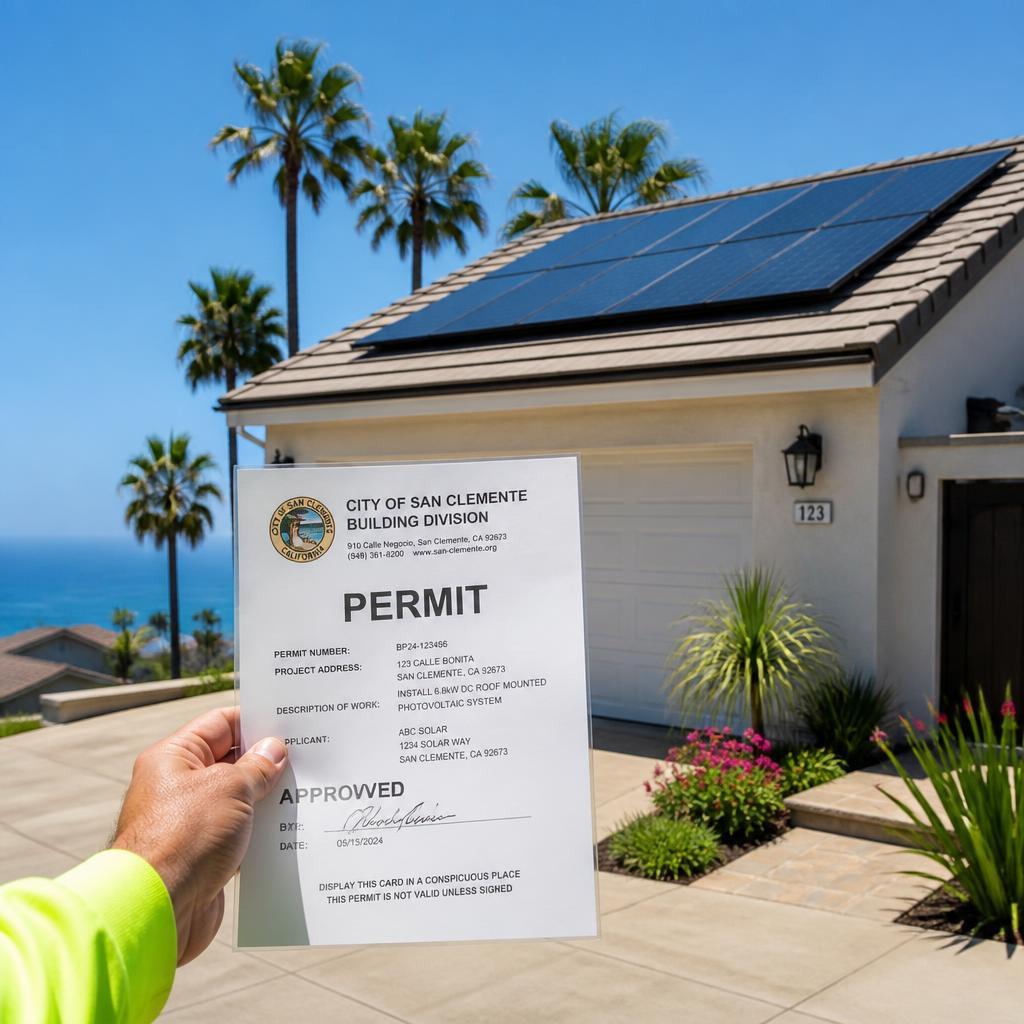
For most homeowners, the moment a pto solar approval finally comes through feels like the real finish line, even though the panels have been sitting on the roof for weeks already. Until the utility formally signs off, the system legally cannot be turned on, no matter how clean the installation looks. Because this final approval depends on documentation from every earlier stage of the project, a single inconsistency can hold up activation far longer than most installers expect. That is exactly why PTOEdge helps installers manage permitting, plan sets, and utility paperwork together, rather than treating each step as a separate, disconnected task.
Before walking through what actually happens between inspection and activation, it helps to understand why this stage catches so many installers off guard. Most of the groundwork for a smooth utility approval gets laid weeks earlier, often without anyone realizing it at the time. If your team has been waiting longer than expected on recent activations, find out what's holding up your approvals before submitting your next batch of paperwork.
What Happens Before PTO Solar Approval Even Begins
Long before a utility ever reviews an interconnection file, several earlier steps quietly determine how smoothly that final approval will go. Because utilities cross-check submitted documentation against what was actually permitted and installed, any mismatch discovered at this stage sends the whole file back for correction. Consequently, installers who treat every earlier document as part of one continuous record tend to move through this final stage with far fewer surprises.
Why PTO Solar Timelines Vary So Much Between Utilities
In practice, pto solar turnaround times differ significantly depending on which utility territory a project falls under, since each utility maintains its own submission portal, required forms, and internal review queue. Since these requirements shift periodically without much public notice, staying current on each utility's expectations matters just as much as getting the physical installation right. Therefore, installers juggling multiple utility territories benefit enormously from a consistent, centralized tracking process.
Plan Sets and Stamping Set Up a Clean PTO Submission
However, a smooth utility approval actually starts much earlier, with accurate solar plan sets that reflect the true site conditions from day one. When the original design matches what gets physically installed, the paperwork trail stays consistent all the way through to final activation. Additionally, precise pv plan sets need to align with whatever documentation the utility later requests, since discrepancies between design and installation are a common reason utilities delay sign-off.
Similarly, solar panel stamping from a licensed engineer needs to match the structural details referenced in later utility paperwork. A reliable solar stamping service ensures that this structural sign-off remains consistent with everything else in the project file, which prevents last-minute questions from utility reviewers who cross-reference every document.
Permitting Differences That Ripple Into PTO Timing
Meanwhile, permitting adds its own layer of complexity that eventually affects utility timing as well. Because every city enforces slightly different requirements around inspection scheduling and documentation, delays at the permitting stage often push the entire project's PTO timeline back accordingly. Handling Permit Design & AHJ Compliance properly from the start helps keep the whole sequence, from permit to inspection to activation, moving on schedule.
For installers working in Southern California, solar permit services san diego teams often already understand how local inspection scheduling quirks can affect when a system becomes eligible for utility submission. Since these local patterns shift periodically, staying informed matters just as much as submitting complete paperwork.
What a Complete PTO Solar Application Actually Includes
Ultimately, a complete pto solar application typically bundles the final inspection approval, the interconnection agreement, and system specifications that match everything submitted earlier in the process. If any of these pieces conflict with one another, utilities generally pause the whole file rather than approving partial documentation. That is precisely why treating the entire project as one continuous record, rather than a series of disconnected steps, produces faster activations.
Sales Proposals and the Promise of a Fast Activation
Interestingly, the expectations set during the original solar sales proposal often shape how homeowners perceive the entire timeline, including this final utility stage. When installers set realistic expectations upfront about how long activation typically takes, homeowners tend to stay patient rather than growing frustrated during the final wait. Otherwise, an overly optimistic proposal timeline can leave customers feeling misled once real-world utility processing enters the picture.
Reliable pto services generally include proactively verifying utility-specific forms before submission, which noticeably reduces unnecessary delays at this stage. Dependable permission to operate services often make the difference between an activation that happens on schedule and one that lingers for weeks after installation is technically finished. If recent projects have been stuck waiting on utility sign-off, reach out to get your pending activations moving before frustration builds with your customers.
Tying PTO Timelines Back to Plans, Permits, and Growth
When plan sets, permitting, stamping, and utility documentation all stay consistent from the very beginning, activation timelines become far more predictable across an installer's entire portfolio. Fewer resubmissions and faster sign-offs directly support Solar Installer Growth, since crews spend less time chasing corrections and more time completing new projects. A clean PTO application process closes that loop, letting homeowners finally start generating savings without unnecessary waiting.
Likewise, consistent Permit Design & AHJ Compliance support and accurate solar plan sets work together to keep every stage of the process aligned, right through final utility approval. Together, these pieces let a growing solar business scale confidently while keeping activation timelines steady, even as monthly project volume increases.
Frequently Asked Questions
Why does PTO solar approval take longer for some projects than others?
Utility-specific requirements and documentation mismatches are the most common reasons activation timelines vary.
How do solar plan sets affect the final PTO submission?
Consistency between the original design and the installed system prevents costly discrepancies during utility review.
Why does solar panel stamping matter for utility approval?
Utilities often cross-reference structural documentation, so stamping accuracy needs to match the rest of the project file.
How does permitting timing influence PTO scheduling?
Delays earlier in the permitting process typically push back the entire timeline for final utility activation.
What should a solar sales proposal say about activation timing?
It should set realistic expectations about utility processing time rather than promising an overly optimistic turnaround.

 English
 Arabic
 French
 Portuguese
 Deutsch
 Turkish
 Dutch
Dutch
 Italiano
 Russian
 Romaian
 Portuguese (Brazil)
 Greek
Greek
