
How Esports Is Becoming Mainstream in India
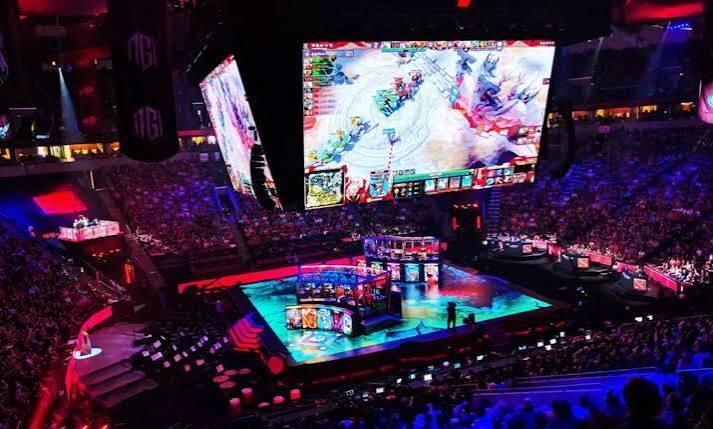
Not long ago, competitive gaming in India was viewed simply as a hobby. Today, it has evolved into a thriving ecosystem that attracts professional players, tournament organizers, sponsors, content creators, and millions of passionate fans. What was once limited to small gaming cafés has now expanded to packed esports arenas, live-streaming platforms, university competitions, and national championships.
India's young population, affordable smartphones, faster internet connectivity, and growing interest in digital entertainment have played a major role in this transformation. Communities discussing sports and digital competitions on platforms like gold365 login have also contributed to increasing awareness of esports as a legitimate competitive industry rather than just casual gaming.
If you've ever wondered why esports is growing so quickly in India or whether it has a sustainable future, this guide explains the factors driving its popularity and what lies ahead for players, fans, and the industry.
How Esports Is Becoming Mainstream in India
Why Esports Is Growing Faster Than Ever
Esports refers to organized competitive video gaming where individuals or teams compete professionally in popular game titles across regional, national, and international tournaments.
Unlike casual gaming, esports involves structured competition, coaching, strategic preparation, teamwork, and significant prize pools. Professional players spend countless hours practicing mechanics, communication, and decision-making—similar to athletes in traditional sports.
Several factors have accelerated esports growth in India:
- Affordable smartphones with powerful processors
- Expansion of high-speed 4G and 5G internet
- Growth of gaming creators on YouTube and live-streaming platforms
- Rising investment from brands and sponsors
- Improved tournament infrastructure
- Increasing acceptance from parents and educational institutions
This combination has helped transform esports from a niche activity into mainstream entertainment.
The Key Drivers Behind India's Esports Revolution
1. Affordable Mobile Gaming
One of India's biggest advantages is widespread smartphone accessibility.
Unlike countries where esports primarily depends on expensive gaming PCs or consoles, India's mobile-first ecosystem has allowed millions of players to participate using affordable devices.
Competitive mobile titles have significantly lowered the entry barrier, enabling talented players from smaller cities and towns to compete at high levels.
2. Faster Internet Connectivity
Reliable internet has completely changed competitive gaming.
Lower latency and faster download speeds make online tournaments smoother and more accessible.
With broadband expansion and improved mobile networks, players can now practice, stream, and compete without the technical limitations that existed several years ago.
3. Content Creators Are Fueling Interest
Gaming influencers have introduced esports to millions of viewers.
Professional players now regularly stream:
- Practice sessions
- Tournament matches
- Strategy discussions
- Coaching tips
- Community events
Many new fans first discover esports by watching their favorite creators before eventually becoming players themselves.
Communities following sports and competitive gaming through 365win frequently discuss major tournaments alongside traditional sporting events, reflecting esports' growing popularity.
4. Professional Tournament Ecosystem
India now hosts numerous competitive esports events throughout the year.
These competitions range from amateur community tournaments to large-scale national championships offering substantial prize money.
Professional tournament organizers have improved production quality with:
- Live commentary
- Broadcast studios
- Analytics
- Player interviews
- Professional refereeing
- Online and offline qualifiers
This professionalism has increased public confidence in esports as a genuine competitive discipline.
5. Brand Sponsorships
Corporate investment has accelerated industry growth.
Brands increasingly partner with:
- Professional teams
- Tournament organizers
- Gaming creators
- Streaming platforms
- University competitions
These partnerships provide financial stability while creating career opportunities beyond playing alone.
6. Career Opportunities Beyond Competition
Modern esports supports numerous professions.
Career options include:
- Professional player
- Coach
- Analyst
- Team manager
- Event organizer
- Broadcast commentator
- Video editor
- Content creator
- Graphic designer
- Social media manager
As the ecosystem grows, employment opportunities continue expanding.
Many gaming discussions across gold365 andar bahar online communities now focus not only on competitions but also on the broader esports industry and career development.
7. Recognition of Esports
The growing recognition of esports by sports organizations and governing bodies has significantly improved public perception.
Schools, colleges, and universities increasingly organize esports competitions as part of campus festivals and sporting events.
This institutional support encourages younger players to pursue competitive gaming responsibly while balancing academics.
How Beginners Can Get Started in Esports
Breaking into esports requires more than simply playing games regularly.
Here are practical steps for aspiring competitors:
Step 1: Choose one primary game
Focus on mastering a single competitive title instead of switching constantly.
Step 2: Build strong fundamentals
Practice game mechanics, positioning, teamwork, and communication.
Step 3: Watch professional tournaments
Observe strategies used by top players and understand decision-making.
Step 4: Join community competitions
Local tournaments provide valuable competitive experience.
Step 5: Improve consistently
Review your gameplay, identify mistakes, and work on one weakness at a time.
Common Myths About Esports
Several misconceptions still surround competitive gaming.
Myth 1: Esports isn't a real sport
Reality: Professional esports demands discipline, teamwork, strategic thinking, mental endurance, and consistent training.
Myth 2: Anyone can become a professional overnight
Reality: Success requires years of structured practice and continuous improvement.
Myth 3: Gaming has no career opportunities
Reality: The esports industry offers careers in broadcasting, coaching, management, marketing, event production, and content creation.
Myth 4: Esports only benefits young players
Reality: While many professionals begin early, numerous coaching, analysis, and production roles welcome experienced individuals from diverse backgrounds.
Challenges Facing Indian Esports
Despite impressive growth, several challenges remain.
Some key issues include:
- Need for more dedicated esports infrastructure
- Limited awareness in smaller cities
- Balancing education with competitive gaming
- Sustainable career planning
- Mental health and burnout management
- Consistent tournament opportunities across multiple game titles
Addressing these challenges will strengthen India's esports ecosystem in the coming years.
Key Takeaways
- Esports has become one of India's fastest-growing competitive industries.
- Affordable smartphones and improved internet have accelerated participation.
- Professional tournaments now offer significant career opportunities.
- Streaming platforms have introduced esports to mainstream audiences.
- Brand sponsorships continue driving industry investment.
- Esports supports careers beyond professional gameplay.
- Responsible training and long-term skill development remain essential for success.
Frequently Asked Questions (FAQs)
1. Why is esports becoming so popular in India?
Affordable smartphones, faster internet, growing tournament ecosystems, and increased digital content consumption have made esports more accessible than ever. Discussions on platforms like gold365 bonus also reflect rising interest in competitive gaming among sports enthusiasts.
2. Can esports become a full-time career?
Yes. Besides becoming a professional player, individuals can build careers as coaches, analysts, commentators, event managers, content creators, and production specialists.
3. Do professional esports players train every day?
Most professional players follow structured daily practice schedules that include gameplay, strategy reviews, physical fitness, and mental preparation.
4. Is esports only for teenagers?
No. While many competitors begin young, people of different age groups participate as players, coaches, organizers, broadcasters, and creators.
5. What skills are important for success in esports?
Strong communication, teamwork, decision-making, consistency, adaptability, discipline, and emotional control are among the most valuable skills.
Conclusion
Esports has moved well beyond being viewed as casual entertainment in India. It is now a rapidly growing industry supported by technology, professional tournaments, brand investments, content creators, and an enthusiastic gaming community. As infrastructure continues to improve and awareness increases, esports is likely to become an even more significant part of India's sporting and digital entertainment landscape. For aspiring players, creators, and industry professionals, the opportunities have never been more promising.

 English
 French
 Spanish
 Portuguese
 Deutsch
 Turkish
 Dutch
Dutch
 Italiano
 Russian
 Romaian
 Portuguese (Brazil)
 Greek
Greek
