
How Barge Builders in UAE Deliver Reliable Marine Transportation Solutions
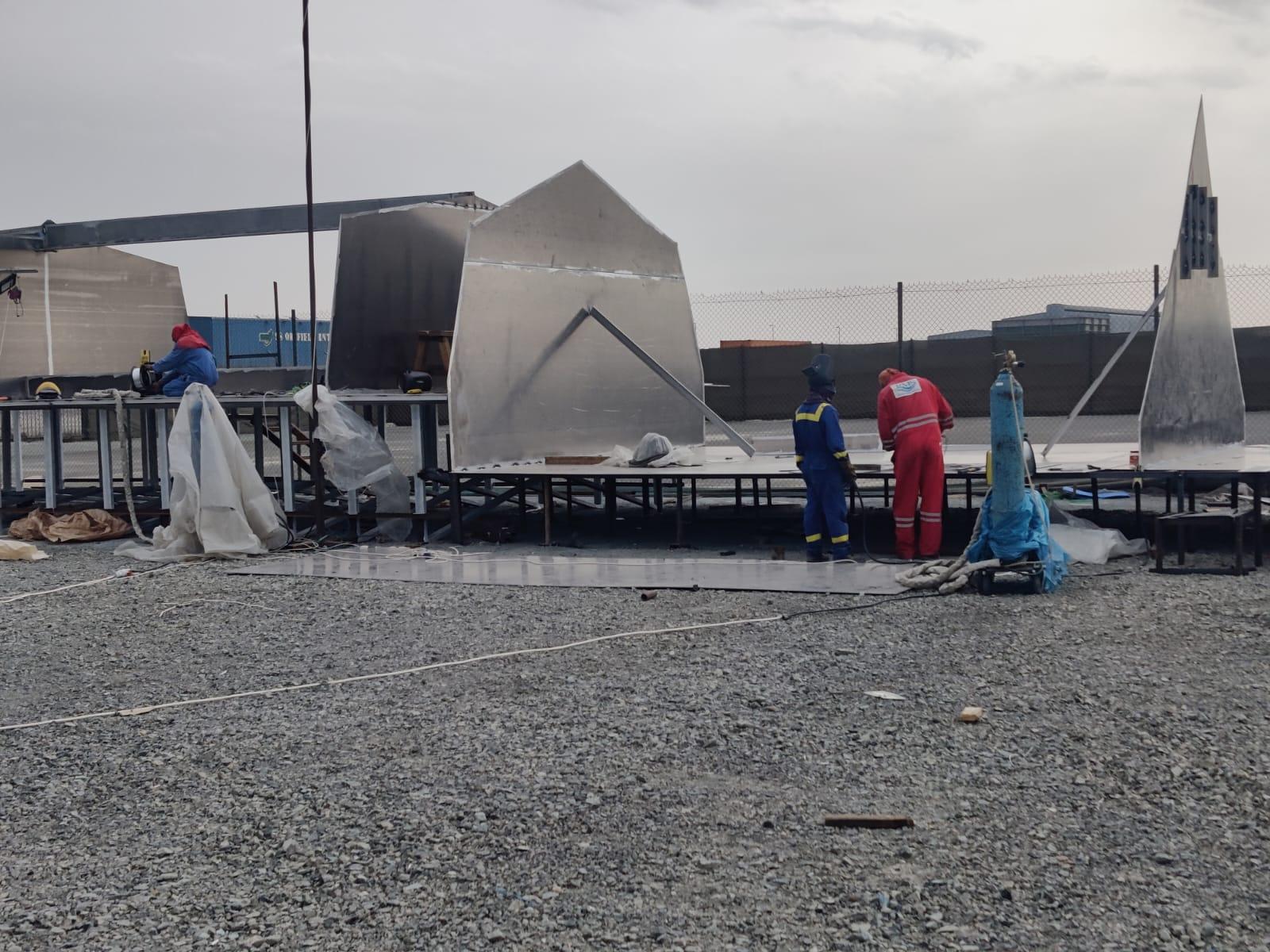
Barge builders in UAE play a vital role in supporting marine transportation by designing and constructing vessels that can safely carry heavy cargo across ports, rivers, coastal waters, and offshore locations. As global trade continues to expand, reliable barges have become an essential part of the maritime industry because they provide an economical and efficient way to transport bulk materials, machinery, fuel, containers, and construction equipment. Their ability to carry large loads while consuming less fuel than many land-based transport options makes them an important solution for industries such as oil and gas, construction, logistics, dredging, mining, and infrastructure development.
According to the United Nations Conference on Trade and Development (UNCTAD), nearly 80% of global merchandise trade by volume is transported by sea. This statistic highlights the growing importance of dependable marine transportation systems. As ports become busier and offshore projects continue to increase, the demand for durable, high-performance barges is also rising. Building these vessels requires advanced engineering, quality materials, strict safety standards, and skilled workmanship.
Companies like VU Marine contribute to this growing industry by delivering reliable marine solutions that meet international quality standards while supporting safe and efficient transportation across different marine environments.
Why Reliable Marine Transportation Matters
Marine transportation is one of the most cost-effective methods of moving large quantities of cargo over long distances. Compared to road transport, barges can carry significantly heavier loads in a single trip, reducing transportation costs and improving operational efficiency.
Reliable barges are commonly used for transporting:
- Heavy construction machinery
- Steel structures
- Industrial equipment
- Fuel and petroleum products
- Sand and aggregates
- Containers
- Offshore supplies
The International Maritime Organization (IMO) also recognizes shipping as one of the most energy-efficient modes of freight transportation. Well-designed barges help reduce fuel consumption and lower emissions while supporting sustainable logistics operations.
Key Features of a Reliable Barge
A dependable barge is much more than a floating platform. Every part of the vessel is engineered to deliver strength, stability, and long-term durability.
Strong Engineering and Design
Before construction begins, engineers analyze several important factors, including expected cargo weight, water depth, weather conditions, and operational requirements. Using advanced computer-aided design (CAD) software allows designers to optimize hull shape, improve balance, and enhance structural strength before manufacturing starts.
Proper engineering reduces operational risks and improves vessel performance throughout its service life.
Premium Construction Materials
Modern aluminum barge builders understand that choosing the right materials is essential for building reliable vessels. Marine-grade aluminum offers excellent corrosion resistance, lower weight, and high structural strength, making it ideal for applications where durability and fuel efficiency are equally important. Depending on the vessel's purpose, marine-grade steel may also be used for heavy-duty operations that require maximum load capacity.
Protective coatings and anti-corrosion treatments further extend the lifespan of these vessels while reducing maintenance requirements.
Precision Manufacturing
Modern shipyards use advanced technologies that improve construction quality and consistency.
These technologies include:
- CNC steel cutting
- Automated welding systems
- Laser alignment
- Digital measurements
- Robotic fabrication
Precision manufacturing ensures every component fits accurately, increasing the overall strength and reliability of the finished vessel.
Types of Barges Used in Marine Transportation
Different industries require different types of barges depending on their operational needs.
Flat Deck Barges
These are widely used for transporting oversized equipment, construction materials, generators, cranes, and heavy machinery.
Cargo Barges
Cargo barges transport bulk materials including sand, gravel, cement, containers, and industrial goods between ports and construction sites.
Fuel Barges
These barges safely transport fuel and petroleum products while supporting offshore platforms and marine vessels.
Offshore Support Barges
They are specially designed to supply offshore construction projects with equipment, tools, materials, and personnel.
Safety Standards During Construction
Safety is one of the most important aspects of vessel construction.
Every reliable barge undergoes multiple quality inspections, including:
- Steel quality testing
- Weld inspection
- Structural verification
- Stability analysis
- Water-tightness testing
- Load testing
- Final sea trials
These inspections help ensure the vessel performs safely under real operating conditions and complies with recognized international marine standards.
Technology Driving Modern Barge Construction
Technology has transformed the marine construction industry over the past decade.
Three-dimensional modeling allows engineers to identify potential issues before fabrication begins, reducing material waste and construction delays. Digital simulation software evaluates cargo distribution, hull performance, and vessel stability under different operating conditions.
Modern automated welding systems produce consistent weld quality, improving structural integrity while reducing human error during manufacturing.
Growing Demand for Quality Barges
The United Arab Emirates has become one of the world's important maritime centers because of its strategic location connecting major international shipping routes. Continued investment in ports, logistics, offshore energy, and infrastructure has created strong demand for vessels built by aluminium barge manufacturers capable of supporting commercial and industrial operations efficiently.
This growing demand has encouraged the adoption of advanced engineering methods, higher quality standards, and innovative construction technologies across the marine sector.
The remaining section (including Why VU Marine Stands Out with the keyword barge building company, the future of barge construction, conclusion, and FAQs) would continue in Part 2 to complete the full 1000+ word article.
Why Experience Matters in Barge Construction
Building a reliable barge requires expertise in naval architecture, marine engineering, fabrication, welding, quality assurance, and project management. Every stage of the construction process must be carefully planned to ensure the vessel performs efficiently throughout its operational life.
Experienced engineers understand how hull design, material selection, structural reinforcement, and weight distribution affect stability and cargo capacity. Even small design improvements can enhance fuel efficiency, reduce maintenance costs, and increase the overall lifespan of a vessel.
Professional builders also conduct thorough inspections during every phase of production to identify and correct potential issues before the vessel is delivered. This commitment to quality helps improve operational reliability and minimizes downtime once the barge enters service.
Environmental Sustainability in Modern Barge Construction
Environmental responsibility has become an important focus for the marine industry. Governments and international maritime organizations continue encouraging cleaner and more sustainable shipping practices to reduce emissions and protect marine ecosystems.
Modern barges are now designed with features that improve environmental performance, including:
- Fuel-efficient hull designs
- Lightweight construction materials
- Low-maintenance protective coatings
- Improved cargo capacity
- Reduced operating emissions
According to the International Energy Agency (IEA), improving transportation efficiency is one of the most effective ways to lower fuel consumption and reduce greenhouse gas emissions. Efficient marine vessels help industries lower operating costs while supporting long-term sustainability goals.
Economic Benefits of Reliable Barges
Investing in a well-built barge offers long-term financial advantages for operators across different industries.
Lower Maintenance Costs
High-quality construction materials and precision manufacturing reduce wear and tear, minimizing repair expenses over the vessel's lifespan.
Increased Productivity
Reliable barges spend more time transporting cargo and less time undergoing maintenance, helping businesses improve operational efficiency.
Higher Cargo Capacity
Optimized structural design allows barges to safely transport heavier loads without compromising stability or safety.
Long Service Life
Proper engineering and quality workmanship can significantly extend a vessel's operational lifespan, providing better returns on investment.
Why VU Marine Stands Out
As a trusted barge building company, VU Marine focuses on delivering dependable marine solutions through advanced engineering, skilled craftsmanship, and strict quality control. Every vessel is designed with durability, safety, and operational efficiency in mind to meet the demands of commercial, industrial, and offshore projects.
By using modern manufacturing technologies and following recognized international marine standards, VU Marine builds barges that are capable of performing reliably in challenging marine environments. The company's commitment to innovation, customer satisfaction, and continuous improvement helps clients achieve efficient and cost-effective marine transportation solutions.
Future Trends in Barge Construction
The marine industry continues to evolve with new technologies and smarter engineering practices. Future barges are expected to become even more efficient, environmentally friendly, and digitally connected.
Some emerging trends include:
- Smart vessel monitoring systems
- Predictive maintenance using sensors
- Hybrid and alternative fuel technologies
- Advanced lightweight materials
- Digital fleet management
- Improved automation during manufacturing
These innovations will help reduce operating costs, improve safety, and increase overall productivity for marine transportation businesses.
Conclusion
Reliable marine transportation depends on the quality, durability, and performance of the vessels used to carry cargo across waterways. From careful engineering and premium material selection to precision manufacturing and rigorous quality testing, every stage of the construction process contributes to building barges that can operate safely and efficiently for many years.
As global trade, offshore development, and infrastructure projects continue to grow, the demand for dependable barges will remain strong. Modern construction technologies, improved safety standards, and sustainable engineering practices are helping the marine industry deliver vessels that offer greater reliability, lower maintenance costs, and better operational performance.
With its commitment to quality craftsmanship, innovation, and customer-focused solutions, VU Marine continues to support the evolving needs of the maritime industry by providing dependable marine transportation solutions built for long-term success.

 English
 Arabic
 Spanish
 Portuguese
 Deutsch
 Turkish
 Dutch
Dutch
 Italiano
 Russian
 Romaian
 Portuguese (Brazil)
 Greek
Greek
