
Power Your Home with a Smarter Energy Choice
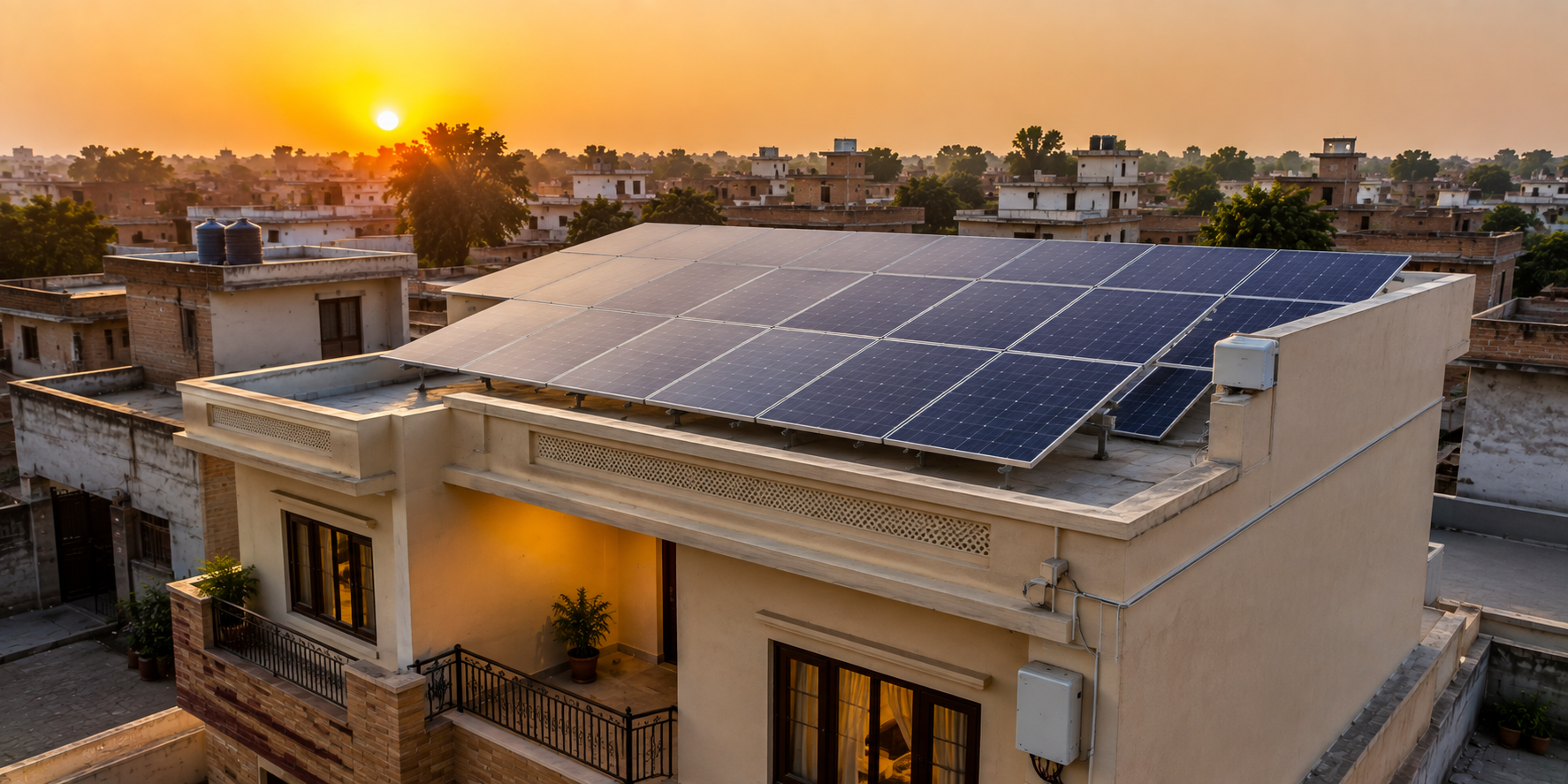
The global transition toward renewable energy has accelerated remarkably over recent years. Property owners increasingly recognize the financial and environmental advantages of generating their own electricity. Traditional energy sources continue to fluctuate in cost, creating uncertainty for households and businesses alike. Embracing clean power technology provides a reliable path toward long term stability and energy independence. Electricity bills represent a major monthly expense for both residential and commercial sectors. Rising utility tariffs put a heavy strain on household budgets and operational margins.
Implementing photovoltaic technology directly addresses this challenge by significantly reducing or even eliminating monthly utility charges. Investing in a robust power generation setup transforms an ongoing liability into a valuable asset. Finding the right provider for your property requires careful research and evaluation. When property owners search for reliable solar solutions near me, they look for certified engineering expertise, high quality hardware, and dependable after sales support. Selecting an experienced partner ensures that every phase of the project, from initial consultation to final commissioning, is handled with utmost precision and professional excellence.
Modern solar technology has evolved to deliver exceptional efficiency even under challenging weather conditions. High performance panels capture diffuse light on cloudy days, maintaining a steady generation capacity throughout the year. Advanced inverter systems optimize power output and monitor system performance in real time. This technological sophistication guarantees that property owners receive maximum return on their investment.
Why Transitioning to Renewable Energy is Essential Today
Conventional power generation relies heavily on fossil fuels, which contribute significantly to environmental degradation and climate change. Shifting toward renewable energy sources reduces carbon footprints and preserves natural resources for future generations. Clean power production emits zero greenhouse gases during operation, making it the most sustainable choice for modern society. Energy security is another critical factor driving the adoption of photovoltaic systems.
Traditional power grids frequently experience disruptions, load shedding, and voltage fluctuations. Having an independent power generation setup shields homes and businesses from unexpected grid failures. Continuous electricity availability ensures uninterrupted daily routines and protects sensitive electronic equipment from damage.
Financial autonomy is equally important for modern property owners. Utility tariffs increase consistently over time, creating unpredictable financial burdens. Generating electricity on site creates a predictable energy budget and protects against future price hikes. This proactive approach to energy management fosters economic resilience and long term prosperity.
Exploring Different Types of Solar Installations Available
Grid tied systems represent the most popular choice for urban residential and commercial properties. These setups remain connected to the local utility grid while generating solar power during daylight hours. Excess electricity produced flows back into the grid through net metering arrangements, earning credits for the property owner. During nighttime or low sunlight periods, electricity is drawn seamlessly from the utility provider. Hybrid setups combine the advantages of grid tied systems with advanced battery storage capabilities.
These configurations store excess daytime energy in lithium ion batteries for use during evening hours or grid outages. Hybrid systems offer ultimate reliability and peace of mind for locations prone to frequent power interruptions. Property owners enjoy uninterrupted power supply while still benefiting from net metering cost savings. Off grid installations operate completely independently of any local utility infrastructure.
These systems require robust battery banks and backup generators to ensure continuous power availability throughout the year. Off grid setups are ideal for remote rural locations, agricultural farms, and isolated industrial sites where grid extension is impractical or costly. Complete energy independence brings absolute freedom from utility dependency.
The Financial Benefits and Long Term Savings of Solar Power
Initial investments in photovoltaic technology yield substantial financial rewards over time. Substantially lower monthly electricity bills translate into rapid capital recovery within a few years of installation. Once the system pays for itself, property owners enjoy decades of virtually free electricity production. This impressive return on investment outperforms many traditional financial instruments. Property valuation increases significantly when buildings are equipped with advanced energy generation systems.
Modern buyers and tenants actively seek out energy efficient properties to minimize ongoing utility expenses. Installing a professional solar setup elevates market appeal and commands higher rental or resale prices. It represents a tangible asset that enhances total property equity. Operational cost reduction empowers businesses to improve profit margins and competitive positioning.
Commercial enterprises face heavy electricity expenditures, particularly during peak operating hours. Utilizing clean energy during high demand periods lowers peak load charges and optimizes overall overhead expenses. Sustainable practices also strengthen brand reputation among environmentally conscious consumers.
Navigating Net Metering and Grid Integration Successfully
Net metering is a billing mechanism that credits solar energy system owners for the electricity they add to the grid. When panels produce more power than the property consumes, the surplus flows into the utility network. The utility provider measures this contribution and provides credits on subsequent electricity bills. This mechanism maximizes financial returns by ensuring every kilowatt hour produced is fully valued. Proper grid integration requires compliance with local regulatory standards and utility guidelines.
Certified engineering teams prepare accurate load flow diagrams, technical specifications, and application documentation. Navigating these administrative procedures correctly prevents delays and ensures smooth interconnection approval. Professional oversight is essential to meet all safety codes and technical requirements set by regulatory authorities.
Working with experienced professionals simplifies the entire administrative process from start to finish. Established providers handle all liaison work with utility companies, inspection agencies, and regulatory bodies. Expert handling of paperwork guarantees a hassle free transition to net metering and immediate financial savings. Property owners can relax knowing every technical and legal detail is managed expertly.
Key Factors to Consider Before Installing a Solar System
Roof orientation and structural integrity form the foundational basis of any successful installation. Optimal panel placement requires unobstructed southern exposure facing angles that capture maximum daily sunlight. Structural engineers evaluate roof load bearing capacities to ensure the building safely supports the added weight of mounting hardware and panels. Addressing these factors beforehand prevents future complications and structural damage.
Energy consumption patterns dictate the appropriate system capacity required for a specific property. Analyzing past utility bills helps determine average daily and monthly kilowatt hour usage. Professional energy audits evaluate appliance efficiency, peak load timings, and future expansion plans. Customizing system sizing based on precise consumption data guarantees optimal performance and prevents unnecessary expenditures.
Component quality dictates the longevity and reliability of the entire energy setup. Selecting Tier one solar panels and premium branded inverters ensures high efficiency and superior durability. High grade materials withstand harsh weather extremes, high temperatures, and environmental stressors. Investing in certified top tier components guarantees twenty five years or more of dependable power generation.
The Comprehensive Solar Installation Process Explained
The installation journey begins with a thorough on site energy assessment and feasibility study. Certified technicians inspect the property, measure roof dimensions, and analyze shading patterns. Consultations with the property owner identify specific energy goals, budget parameters, and power requirements. This detailed planning phase lays the groundwork for a customized engineering blueprint. Procurement and system design follow the initial assessment phase.
Engineers draft precise electrical schematics and select matching components tailored to the specific site profile. High quality panels, robust mounting racks, secure wiring, and intelligent inverters are sourced from trusted manufacturers. Every piece of equipment undergoes rigorous quality checks before arriving at the installation site. Physical installation unfolds systematically under the supervision of certified project managers.
Technicians mount the structural framework securely onto the roof or ground structure. Panels are attached and aligned for optimal sunlight absorption, followed by meticulous electrical wiring and inverter integration. Safety checks, grounding tests, and system commissioning complete the process, delivering a fully operational clean energy plant.
Maintaining Your Solar Power System for Peak Efficiency
Routine maintenance ensures that photovoltaic arrays operate at maximum efficiency throughout their operational lifespan. Dust, debris, and environmental pollutants can accumulate on panel surfaces, obstructing sunlight absorption. Periodic cleaning with clean water and soft brushes restores optimal light transmission and boosts energy generation. Regular inspections detect minor issues before they impact overall performance. Inverter monitoring allows property owners and technicians to track daily power production in real time.
Modern monitoring software provides instant alerts regarding any performance drops, wiring faults, or shading issues. Quick identification of anomalies enables prompt troubleshooting and minor repairs. Proactive care safeguards the longevity of sensitive electronic components and preserves optimal system health. Professional servicing by qualified technicians provides comprehensive diagnostic evaluations annually.
Expert checks verify electrical connections, insulation integrity, mounting stability, and battery health in hybrid setups. Routine preventive maintenance extends equipment life and ensures continuous safety compliance. Entrusting upkeep to skilled professionals guarantees sustained high performance over decades of operation.
Overcoming Common Misconceptions About Solar Energy
A widespread myth suggests that photovoltaic systems fail to generate power during cloudy or overcast days. While direct sunlight maximizes output, modern solar panels still capture diffuse ambient light efficiently. Energy production continues even during overcast weather, ensuring consistent daily generation. Advanced cell technology compensates effectively for reduced solar intensity.
Another common misconception claims that installing solar panels requires excessive and complex maintenance routines. In reality, photovoltaic systems feature no moving parts, resulting in minimal mechanical wear and tear. Natural rainfall washes away loose dust regularly, requiring only occasional manual cleaning in arid regions. Routine monitoring replaces tedious manual upkeep with automated digital oversight.
Some individuals believe that solar setups do not survive extreme weather events or severe storms. High quality mounting structures are engineered to withstand powerful winds, heavy rainfall, and thermal fluctuations. Tier one panels undergo rigorous international stress testing to guarantee structural resilience. Professional installation ensures that the entire array remains anchored securely under harsh environmental conditions.
The Environmental Impact of Adopting Clean Energy Solutions
Transitioning to solar power plays a pivotal role in reducing global carbon emissions and mitigating climate change. Generating electricity from sunlight displaces fossil fuel combustion, preventing tons of greenhouse gases from entering the atmosphere annually. Every kilowatt hour produced cleanly contributes to cleaner air and healthier ecosystems. Sustainable energy adoption safeguards biodiversity and natural habitats. Water conservation represents another remarkable environmental benefit of photovoltaic energy generation.
Traditional thermoelectric power plants consume massive quantities of water for cooling and processing. Solar installations require zero water during electricity generation, preserving precious water reserves in drought prone regions. This conservation aspect makes solar power exceptionally eco friendly from a resource management perspective. Corporate and individual sustainability efforts inspire broader community engagement and collective action.
Adopting clean technology sets a positive example for neighbors, local businesses, and municipal authorities. Demonstrating environmental responsibility fosters a culture of conservation and accelerates the global transition toward a sustainable energy future. Every installed rooftop brings society one step closer to a cleaner planet.
Frequently Asked Questions
What is the typical lifespan of a residential solar power system?
High quality solar panels come with performance warranties extending up to twenty five years or more. Most systems continue generating electricity efficiently well beyond their warranty period with minimal degradation. Inverters may require replacement once during this lifecycle, but overall infrastructure remains highly durable and reliable.
How does net metering reduce my monthly electricity expenses?
Net metering allows you to export surplus solar energy generated during the day back into the utility grid. The utility provider credits your account for this exported electricity, which offsets the cost of power consumed during nighttime or low generation periods. This balancing mechanism significantly lowers or entirely eliminates net monthly utility bills.
Will my solar system function during a power blackout or load shedding?
Grid tied systems automatically shut down during a blackout for safety reasons to prevent back feeding electricity into downed lines. However, hybrid systems equipped with battery backup storage or off grid setups continue supplying uninterrupted power seamlessly during grid outages, ensuring continuous home or business operations.
How long does the complete solar installation process take from start to finish?
The timeline varies depending on system size and permitting requirements, but typical residential installations take between one to three days for physical setup. Initial site audits, engineering design, and utility net metering approvals generally take a few weeks. Professional providers manage the entire workflow efficiently to minimize waiting times.
Do solar panels require extensive daily cleaning and upkeep?
Solar panels require very little maintenance due to their solid state design with no moving parts. Routine rainfall washes away light dust accumulation. Depending on local environmental conditions and dust levels, periodic professional cleaning two to four times a year is sufficient to maintain optimal energy production efficiency.
Final Summary
Embracing clean energy through professional solar installations represents a transformative step toward financial independence and environmental sustainability. By generating your own electricity, you shield your household or enterprise from rising utility costs while contributing actively to a greener planet.
Partnering with experienced experts like Divine Solutions ensures precision engineering, premium tier hardware, and seamless net metering integration tailored to your specific requirements.

 English
 Arabic
 French
 Portuguese
 Deutsch
 Turkish
 Dutch
Dutch
 Italiano
 Russian
 Romaian
 Portuguese (Brazil)
 Greek
Greek
