
Discover Singapore's Cultural Neighborhoods by Hop-On Hop-Off Bus
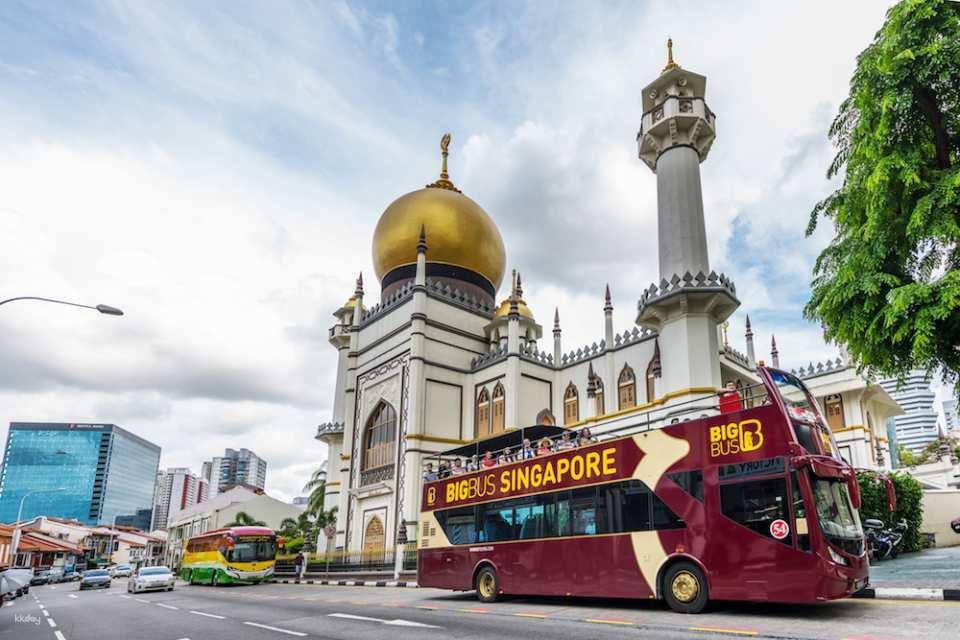
Singapore is one of the world's most multicultural cities, where Chinese, Malay, Indian, and Peranakan traditions come together to create a vibrant cultural landscape. From ornate temples and historic mosques to colorful shophouses and bustling street markets, every neighborhood tells a unique story about the nation's diverse heritage. Exploring these districts offers visitors the chance to experience authentic local cuisine, traditional architecture, and centuries-old customs that continue to shape modern Singapore.
A Hop On Hop Off Bus Singapore tour provides a convenient way to travel between these cultural neighborhoods while enjoying panoramic views of the city's skyline. Instead of navigating multiple public transport routes, travelers can easily hop off near major heritage attractions, spend time exploring on foot, and board the next bus when they're ready to continue. This guide introduces Singapore's most fascinating cultural neighborhoods, highlighting must-see landmarks, local markets, street art, authentic food experiences, and practical travel tips to help you discover the city's rich multicultural identity.

Why Singapore's Cultural Diversity Makes It Unique
Singapore's identity has been shaped by centuries of trade, migration, and cultural exchange. Today, the city-state is home to vibrant Chinese, Malay, Indian, and Peranakan communities, each contributing unique traditions, languages, festivals, architecture, and cuisine. This remarkable diversity creates an atmosphere where different cultures thrive side by side while maintaining their distinctive identities.
One of Singapore's greatest strengths is its commitment to preserving its heritage districts. Historic neighborhoods such as Chinatown, Little India, Kampong Glam, and Katong have been carefully conserved, allowing visitors to experience traditional shophouses, religious landmarks, and family-owned businesses alongside modern developments. Walking through these areas provides a fascinating glimpse into Singapore's past while showcasing how heritage continues to influence everyday life.
Traditional architecture is another highlight of Singapore's cultural neighborhoods. Visitors will encounter beautifully restored Peranakan houses, Chinese clan associations, Hindu temples, colonial buildings, and magnificent mosques—all within a relatively compact city.
Festivals further enrich the cultural experience throughout the year. Chinese New Year, Deepavali, Hari Raya Aidilfitri, and the Mid-Autumn Festival transform neighborhoods with decorations, performances, markets, and special culinary offerings.
Whether you're interested in history, architecture, photography, or food, Singapore's heritage districts offer memorable experiences that reveal the city's multicultural character far beyond its famous skyline.
Why Explore Singapore by Hop-On Hop-Off Bus?
A Hop On Hop Off Bus Singapore tour is one of the easiest ways to visit multiple cultural neighborhoods without worrying about transport connections or planning complicated routes. The sightseeing bus links many of Singapore's most popular attractions, allowing travelers to move comfortably between heritage districts while enjoying panoramic city views.
The flexible hop-on, hop-off system lets visitors explore each neighborhood at their own pace. You might spend the morning visiting temples in Chinatown, enjoy lunch in Little India, browse boutiques in Kampong Glam, and finish your day with dinner beside the Singapore River—all without feeling rushed.
For first-time visitors, the sightseeing bus also provides an excellent overview of Singapore's layout. Audio commentary offers useful background information about landmarks and local history while you travel between stops.
Another advantage is the opportunity to combine modern attractions with historic districts. Visitors can easily include Marina Bay, Gardens by the Bay, or Orchard Road alongside Singapore's oldest neighborhoods, creating a balanced sightseeing itinerary.
The open-top upper deck offers excellent views of Singapore's impressive skyline, colonial buildings, colorful shophouses, and tree-lined boulevards, making every journey between attractions part of the sightseeing experience.
Best Cultural Neighborhoods Near Hop-On Hop-Off Bus Stops
1. Chinatown
Chinatown is one of Singapore's most iconic heritage districts, blending centuries-old traditions with modern city life. Located within a short walk of Hop-On Hop-Off Bus stops, it's an ideal place to begin your cultural journey.
The neighborhood's most famous landmark is the magnificent Buddha Tooth Relic Temple, known for its intricate architecture and peaceful interior. Nearby stands Sri Mariamman Temple, Singapore's oldest Hindu temple, whose colorful entrance beautifully reflects the country's multicultural heritage.
Visitors can stroll through Chinatown Street Market, where vendors sell traditional crafts, souvenirs, clothing, tea, and local snacks. The beautifully restored shophouses lining the streets preserve the area's historic atmosphere while housing cafés, galleries, and boutique stores.
Food lovers should not miss Maxwell Food Centre, one of Singapore's most famous hawker centres. Signature dishes include Hainanese chicken rice, satay, laksa, and fresh sugarcane juice.
Allow two to three hours to explore Chinatown comfortably. Early morning offers quieter temple visits, while evenings bring lively street markets and illuminated streets perfect for photography.
Best Cultural Neighborhoods Near Hop-On Hop-Off Bus Stops
4. Civic District
The Civic District showcases Singapore's colonial history alongside its modern cultural identity. Located near several Hop-On Hop-Off Singapore Bus Tour stops, this neighborhood is home to elegant civic buildings, museums, and beautifully maintained public spaces. It is an excellent destination for travelers who want to understand how Singapore evolved from a British trading port into a vibrant global city.
The centerpiece of the district is the National Gallery Singapore, housed in the restored former Supreme Court and City Hall buildings. Inside, visitors can explore one of the world's largest collections of Southeast Asian art, with exhibitions covering everything from historical paintings to contemporary installations. Art enthusiasts can easily spend several hours here.
A short walk away stands the historic Victoria Theatre and Victoria Concert Hall, one of Singapore's best-known performing arts venues. Nearby, the expansive Padang offers views of significant landmarks and has hosted many important national celebrations throughout Singapore's history.
The area's wide streets, elegant architecture, and landscaped walkways make it enjoyable to explore on foot. You'll also find cafés and restaurants nearby, making it easy to pause for refreshments between sightseeing stops.
Historical significance: Colonial administrative center that played a key role in Singapore's development.
Walking distance from bus stop: Approximately 2–5 minutes.
Must-see attractions:
-
National Gallery Singapore
-
Victoria Theatre and Concert Hall
-
Padang
-
Asian Civilisations Museum (nearby)
Local food recommendations: Cafés around City Hall and riverside dining options nearby.
Shopping opportunities: Boutique shops and nearby malls around City Hall.
Best time to visit: Morning or late afternoon when temperatures are more comfortable.
Photography highlights: Historic buildings, colonial architecture, fountains, and skyline views.
5. Katong & Joo Chiat
For travelers interested in local traditions beyond the city center, Katong & Joo Chiat provide an authentic introduction to Singapore's rich Peranakan heritage. Although quieter than Chinatown or Little India, this colorful neighborhood rewards visitors with beautifully preserved architecture, excellent food, and a relaxed atmosphere.
The area is famous for its rows of brightly painted heritage shophouses decorated with intricate tiles, wooden shutters, and floral motifs. These buildings are among Singapore's most photographed landmarks and reflect the unique culture of the Peranakan community, descendants of early Chinese settlers who blended Chinese and Malay traditions.
Walking through Katong reveals independent boutiques, bakeries, cafés, and specialty stores selling handmade gifts and traditional products. Food lovers will also discover classic Peranakan dishes such as laksa, ayam buah keluak, and kueh at long-established restaurants and local eateries.
Unlike the busier heritage districts, Katong offers a slower pace that encourages visitors to wander side streets, browse neighborhood shops, and appreciate the area's distinctive charm.
Historical significance: Center of Singapore's Peranakan culture and heritage.
Walking distance from bus stop: Around 5–10 minutes depending on the stop.
Must-see attractions:
-
Colorful Peranakan shophouses
-
Heritage streets
-
Local boutiques
-
Traditional cafés
Local food recommendations: Katong Laksa, Peranakan cuisine, traditional desserts, and local bakeries.
Shopping opportunities: Handmade crafts, fashion boutiques, specialty food stores, and souvenir shops.
Best time to visit: Morning or late afternoon for pleasant weather and softer lighting.
Photography highlights: Vibrant heritage houses, colorful doors, decorative tiles, and charming residential streets.
6. Singapore River
The Singapore River is where modern Singapore began. Once the city's busiest trading route, it has transformed into one of the most attractive waterfront destinations while preserving much of its historical character. Using a Hop-On Hop-Off Bus Singapore, visitors can easily reach the river before exploring its scenic promenades on foot.
The river is divided into three lively areas: Boat Quay, Clarke Quay, and Robertson Quay. Each offers a different atmosphere, from historic warehouses converted into restaurants to modern entertainment venues and peaceful riverside cafés.
Boat Quay provides a glimpse into Singapore's trading history with restored shophouses lining the waterfront. Clarke Quay is known for its colorful buildings, nightlife, and outdoor dining, while Robertson Quay offers a quieter environment perfect for relaxed walks.
A leisurely stroll along the river also connects visitors to important landmarks such as the Cavenagh Bridge, Fullerton Hotel, and Merlion Park, making it easy to combine history with scenic sightseeing.
Historical significance: Birthplace of Singapore's early trading economy.
Walking distance from bus stop: Approximately 3–5 minutes.
Must-see attractions:
-
Boat Quay
-
Clarke Quay
-
Riverside promenade
-
Historic bridges
Local food recommendations: Riverside seafood, international cuisine, cafés, and dessert shops.
Shopping opportunities: Boutique stores and nearby shopping centers.
Best time to visit: Evening, when temperatures are cooler and the waterfront comes alive.
Photography highlights: Reflections on the river, colorful buildings, illuminated bridges, and skyline views.
7. Bugis
Bugis offers a fascinating blend of Singapore's old and new character. Known for affordable shopping, local street food, heritage landmarks, and lively pedestrian streets, it is a favorite stop for both visitors and residents exploring the city by Hop-On Hop-Off Bus Singapore.
The neighborhood's main attraction is Bugis Street Market, one of Singapore's largest shopping markets. Here, travelers can browse hundreds of stalls selling clothing, accessories, electronics, souvenirs, and local snacks at budget-friendly prices.
Just beyond the market, Bugis reveals another side of Singapore with restored shophouses, colorful temples, art galleries, and cultural attractions. Nearby destinations such as the Kwan Im Thong Hood Cho Temple and the National Library add historical and cultural depth to the area.
Food lovers will also appreciate Bugis' wide variety of local eateries, cafés, dessert shops, and hawker-style dining options, making it an excellent place to enjoy affordable meals between sightseeing stops.
Historical significance: Historic commercial district that continues to evolve while preserving its cultural identity.
Walking distance from bus stop: About 2–5 minutes.
Must-see attractions:
-
Bugis Street Market
-
Kwan Im Thong Hood Cho Temple
-
National Library
-
Nearby heritage streets
Local food recommendations: Local noodles, satay, chicken rice, desserts, bubble tea, and traditional snacks.
Shopping opportunities: Fashion, souvenirs, beauty products, electronics, and gifts.
Best time to visit: Late afternoon through evening when the market is at its liveliest.
Photography highlights: Colorful market stalls, lantern decorations, heritage buildings, and vibrant street scenes.
One-Day Cultural Singapore Itinerary
A Hop-On Hop-Off Bus Singapore makes it easy to experience several of the city's most fascinating cultural neighborhoods in one day without worrying about changing trains or planning complex transport routes.
Begin your morning in Chinatown, where you can admire the impressive Buddha Tooth Relic Temple before exploring Chinatown Street Market. Afterwards, enjoy breakfast or an early lunch at Maxwell Food Centre, where you'll find many authentic local dishes in one convenient location.
Next, board the sightseeing bus to Little India. Wander through the lively streets, browse Tekka Centre, and admire the colorful architecture surrounding Sri Veeramakaliamman Temple. Continue to Kampong Glam, where the golden dome of Sultan Mosque, creative boutiques on Arab Street, and vibrant murals in Haji Lane showcase another side of Singapore's multicultural identity.
As evening approaches, travel to the Singapore River. Enjoy a leisurely riverside walk through Clarke Quay or Boat Quay before finishing your day with dinner overlooking the water. Watching the city lights reflect across the river creates a memorable ending to a day filled with history, architecture, food, and cultural discovery.
The flexibility of the Hop-On Hop-Off Bus allows you to spend more time in neighborhoods that interest you most while skipping areas if you're short on time. This makes it an ideal option for first-time visitors who want to experience Singapore's rich cultural diversity in a single day.
Tips for Exploring Singapore's Heritage Districts
Singapore's heritage neighborhoods are best explored at a relaxed pace. While the Hop-On Hop-Off Bus Singapore connects the city's major cultural attractions, taking time to walk through side streets allows you to appreciate the architecture, local traditions, and everyday life that make each district unique. These simple tips will help you enjoy a more meaningful experience.
-
Dress respectfully when visiting religious sites. Temples, mosques, and churches are active places of worship. Wear modest clothing that covers your shoulders and knees where required, and remove your shoes before entering if requested.
-
Visit early to avoid crowds. Popular areas such as Chinatown, Little India, and Kampong Glam are quieter in the morning, making it easier to explore attractions and take photographs.
-
Carry water for walking tours. Singapore's tropical climate is warm and humid throughout the year, so staying hydrated is essential when exploring on foot between bus stops.
-
Try local dishes at hawker centres. Heritage neighborhoods are home to some of Singapore's best food. Visit hawker centres to sample authentic dishes while experiencing local dining culture at affordable prices.
-
Respect photography rules. Photography is generally welcome outdoors, but some religious buildings may restrict photography inside certain areas. Always follow posted signs and be considerate of worshippers.
-
Wear comfortable walking shoes. Although the sightseeing bus reduces travel time, you'll still spend plenty of time exploring markets, temples, museums, and neighborhood streets.
-
Allow time to explore side streets and murals. Some of the most memorable discoveries—including hidden cafés, colorful murals, artisan shops, and historic shophouses—are found just a few minutes away from the main roads.
Following these tips will help you enjoy a smoother and more rewarding journey while discovering the rich cultural heritage that makes Singapore one of Asia's most diverse destinations.
Compare Singapore's Cultural Neighborhoods
Each of Singapore's heritage districts offers a different experience, from historic temples and colorful markets to riverside walks and Peranakan culture. The table below can help you decide which neighborhoods best match your interests and available time.
|
Neighborhood |
Best For |
Highlight |
Recommended Visit Time |
|
Chinatown |
History & food |
Buddha Tooth Relic Temple, street markets |
2–3 hours |
|
Little India |
Culture & cuisine |
Colorful streets, Tekka Centre, temples |
2 hours |
|
Kampong Glam |
Art & heritage |
Sultan Mosque, Haji Lane, street art |
2–3 hours |
|
Civic District |
Museums & history |
Colonial landmarks, National Gallery Singapore |
2 hours |
|
Katong & Joo Chiat |
Peranakan culture |
Heritage shophouses, local cafés |
2–3 hours |
|
Singapore River |
Evening walks |
Boat Quay, Clarke Quay, waterfront dining |
1–2 hours |
|
Bugis |
Shopping & local snacks |
Bugis Street Market and nearby attractions |
1–2 hours |
No single neighborhood captures all of Singapore's cultural diversity, which is why combining several districts in one itinerary provides a richer experience. Chinatown offers centuries of Chinese heritage, while Little India showcases vibrant temples, traditional markets, and authentic Indian cuisine. Kampong Glam blends Malay heritage with modern creativity through boutique shops and colorful street art.
If you're interested in history and museums, the Civic District is an excellent choice. Travelers seeking a quieter and more residential atmosphere will enjoy Katong & Joo Chiat, where Peranakan traditions remain strong. Singapore River is ideal for relaxing evening walks and waterfront dining, while Bugis combines affordable shopping with cultural attractions.
Using a Hop-On Hop-Off Bus Singapore makes it easy to travel between these neighborhoods, allowing visitors to experience Singapore's multicultural identity without worrying about transportation.
Frequently Asked Questions
What are Singapore's best cultural neighborhoods?
Some of the most popular heritage districts include Chinatown, Little India, Kampong Glam, Katong & Joo Chiat, the Civic District, Singapore River, and Bugis, each showcasing a different aspect of Singapore's multicultural heritage.
Can I visit Chinatown, Little India, and Kampong Glam in one day?
Yes. These neighborhoods are well connected by the Hop-On Hop-Off Bus Singapore, making it possible to explore all three comfortably in a full day.
Does the Hop-On Hop-Off Bus stop near Singapore's heritage districts?
Yes. Major sightseeing bus routes include stops close to many of Singapore's most popular cultural neighborhoods, allowing easy access to nearby attractions.
Which neighborhood is best for local food?
Chinatown, Little India, and Katong are excellent choices for authentic local cuisine, while Singapore River offers a wide variety of riverside restaurants and cafés.
What is Peranakan culture?
Peranakan culture developed from the blending of Chinese and Malay traditions. It is known for its colorful architecture, distinctive cuisine, decorative arts, and rich cultural heritage.
Are Singapore's temples open to visitors?
Many temples welcome visitors during opening hours. Guests should dress respectfully, remain quiet during religious ceremonies, and follow any photography guidelines.
Which area is best for street art and photography?
Kampong Glam, especially Haji Lane, is famous for vibrant murals, while Chinatown and Katong also offer colorful streets and historic architecture perfect for photography.
What's the best time to explore cultural neighborhoods?
Morning and late afternoon are ideal, as temperatures are generally more comfortable and the lighting is excellent for sightseeing and photography.
Conclusion
Singapore's cultural neighborhoods reveal the traditions, architecture, cuisines, and communities that have shaped one of Asia's most diverse cities. From the historic temples of Chinatown and the colorful streets of Little India to the creative atmosphere of Kampong Glam and the heritage charm of Katong, every district offers a unique perspective on Singapore's multicultural identity.
Using a Hop-On Hop-Off Bus Singapore makes exploring these neighborhoods simple and convenient. You can travel comfortably between heritage districts, enjoy panoramic city views, and spend as much time as you like discovering local markets, museums, religious landmarks, cafés, and hidden side streets.
Whether you're visiting Singapore for the first time or returning to explore more deeply, combining these cultural neighborhoods into your itinerary will provide a richer understanding of the city's history and traditions. Slow down, sample local food, admire historic architecture, and immerse yourself in the vibrant communities that make Singapore an unforgettable destination.

 English
 Arabic
 French
 Portuguese
 Deutsch
 Turkish
 Dutch
Dutch
 Italiano
 Russian
 Romaian
 Portuguese (Brazil)
 Greek
Greek
