
How Steel Recycling Helps Businesses Reduce Waste and Protect the Environment
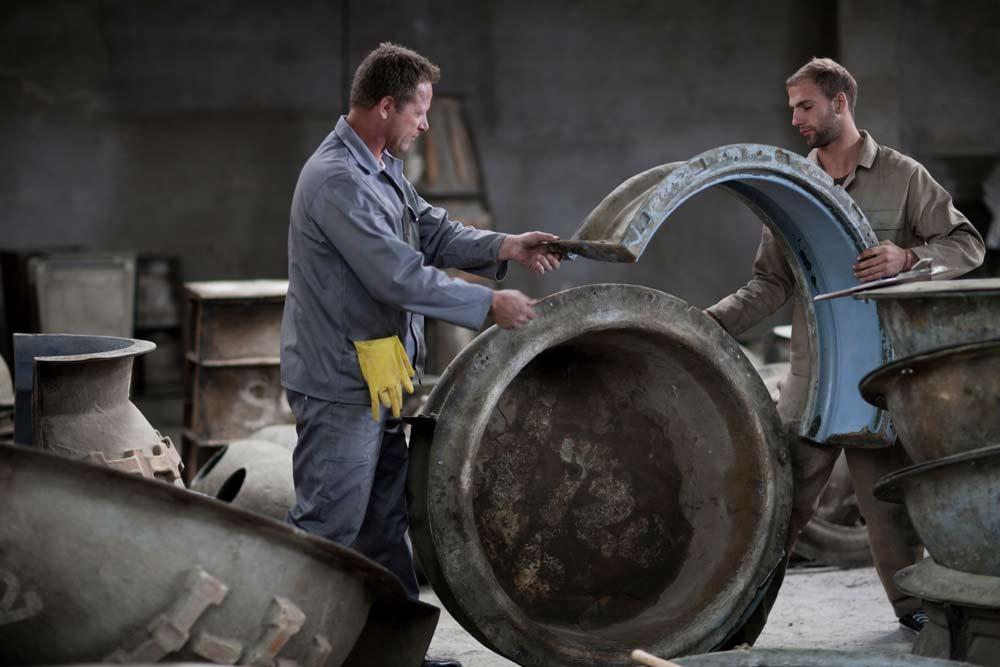
Steel is one of the most widely used materials in the world, found in everything from construction structures and vehicles to machinery and household products. As industries continue to grow, the demand for sustainable solutions has increased, making steel recycling an essential part of modern waste management and resource conservation.
Unlike many materials, steel can be recycled repeatedly without losing its strength or quality. Recycling unwanted steel products helps reduce landfill waste, conserve natural resources, and lower the environmental impact associated with producing new steel. For businesses handling industrial materials, choosing a reliable metal recycling partner is a practical step toward improving sustainability and efficiency.
Why Steel Recycling Matters
Steel production requires significant amounts of energy and raw materials. By recovering and reusing existing steel, industries can reduce their reliance on newly mined resources such as iron ore and decrease the environmental impact of manufacturing processes.
Steel recycling plays a major role in creating a circular economy, where materials are collected, processed, and reused instead of being discarded. This approach benefits both businesses and the environment by turning unwanted metal into valuable resources.
Some key benefits include:
- Reducing the amount of waste sent to landfill
- Conserving valuable natural resources
- Lowering energy consumption during steel production
- Supporting environmentally responsible business practices
- Providing financial returns for recyclable materials
For companies dealing with construction waste, industrial equipment, and scrap metal, recycling steel is an effective way to manage waste while contributing to sustainability goals.
How the Steel Recycling Process Works
Many people are familiar with the idea of recycling but may not understand how steel recovery actually happens. The process involves several important steps to ensure materials are efficiently collected, sorted, and prepared for reuse.
Collection and Sorting
The first stage involves collecting steel materials from various sources, including demolition projects, manufacturing facilities, automotive industries, and commercial sites. Once collected, the steel is sorted from other materials to ensure a high-quality recycling stream.
Advanced sorting techniques help separate different types of metals and remove contaminants, improving the value and usability of recycled materials.
Processing and Preparation
After sorting, steel items are processed using specialised equipment. Large pieces of metal may be cut, crushed, or compacted to make transportation and handling easier.
During this stage, recyclers prepare the material so it can be efficiently reused in steel manufacturing. This reduces the need for extracting and processing new raw materials.
Reusing Recycled Steel
Once processed, recycled steel is transported to manufacturers where it can be transformed into new products. It may be used in construction materials, machinery components, vehicles, appliances, and many other applications.
This ability to reuse steel multiple times makes it one of the most valuable recyclable materials available today.
The Environmental Benefits of Recycling Steel
Environmental responsibility is becoming increasingly important for businesses across Australia. Recycling steel offers significant ecological advantages by reducing emissions and conserving resources.
Producing steel from recycled materials generally requires less energy compared to creating steel from raw materials. This helps reduce greenhouse gas emissions and supports cleaner industrial practices.
Other environmental advantages include:
- Less mining activity and reduced resource depletion
- Lower carbon emissions from manufacturing
- Reduced pressure on landfill facilities
- More efficient use of existing materials
By incorporating recycling into everyday operations, businesses can make meaningful progress toward sustainability targets.
Steel Recycling for Businesses and Industries
Industries such as construction, manufacturing, engineering, and demolition generate large volumes of steel waste. Managing these materials responsibly is essential for maintaining efficient operations and meeting environmental standards.
Professional metal recycling providers help businesses recover value from unwanted steel while ensuring materials are handled safely and efficiently. Whether it involves structural steel, machinery components, fabrication offcuts, or industrial scrap, proper recycling solutions can improve waste management processes.
Working with an experienced recycling company such as Industrial Metal Services allows businesses to access reliable collection, processing, and recovery solutions tailored to their needs.
Choosing a Reliable Metal Recycling Partner
When selecting a recycling provider, businesses should consider experience, equipment, compliance, and customer service. A trusted recycler should offer transparent processes and efficient solutions for handling different types of metal waste.
Important factors to look for include:
- Industry knowledge and experience
- Environmentally responsible recycling practices
- Professional collection and processing services
- Fair assessment of recyclable materials
- Safe handling procedures
A dependable partner ensures that valuable steel materials are recovered properly while helping businesses achieve their sustainability objectives.
The Future of Steel Recycling
As industries continue to focus on reducing environmental impact, the importance of responsible resource management will continue to grow. Advances in recycling technology and increased awareness of sustainability are helping create more efficient ways to recover and reuse metals.
The future of steel recycling depends on collaboration between businesses, recyclers, and communities. By choosing recycling over disposal, industries can help build a cleaner and more resource-efficient future.
Conclusion
Steel is a durable and valuable material that should never go to waste. Through responsible recovery and reuse, steel recycling helps protect natural resources, reduce environmental impact, and support a sustainable economy.
For businesses looking to manage industrial metal waste effectively, partnering with an experienced recycling provider can deliver both environmental and financial benefits. Recycling steel today helps create a stronger, greener future for generations to come.

 English
 Arabic
 French
 Spanish
 Portuguese
 Deutsch
 Turkish
 Dutch
Dutch
 Italiano
 Russian
 Romaian
 Greek
Greek
