
Construction Cost Documentation Every Contractor Needs
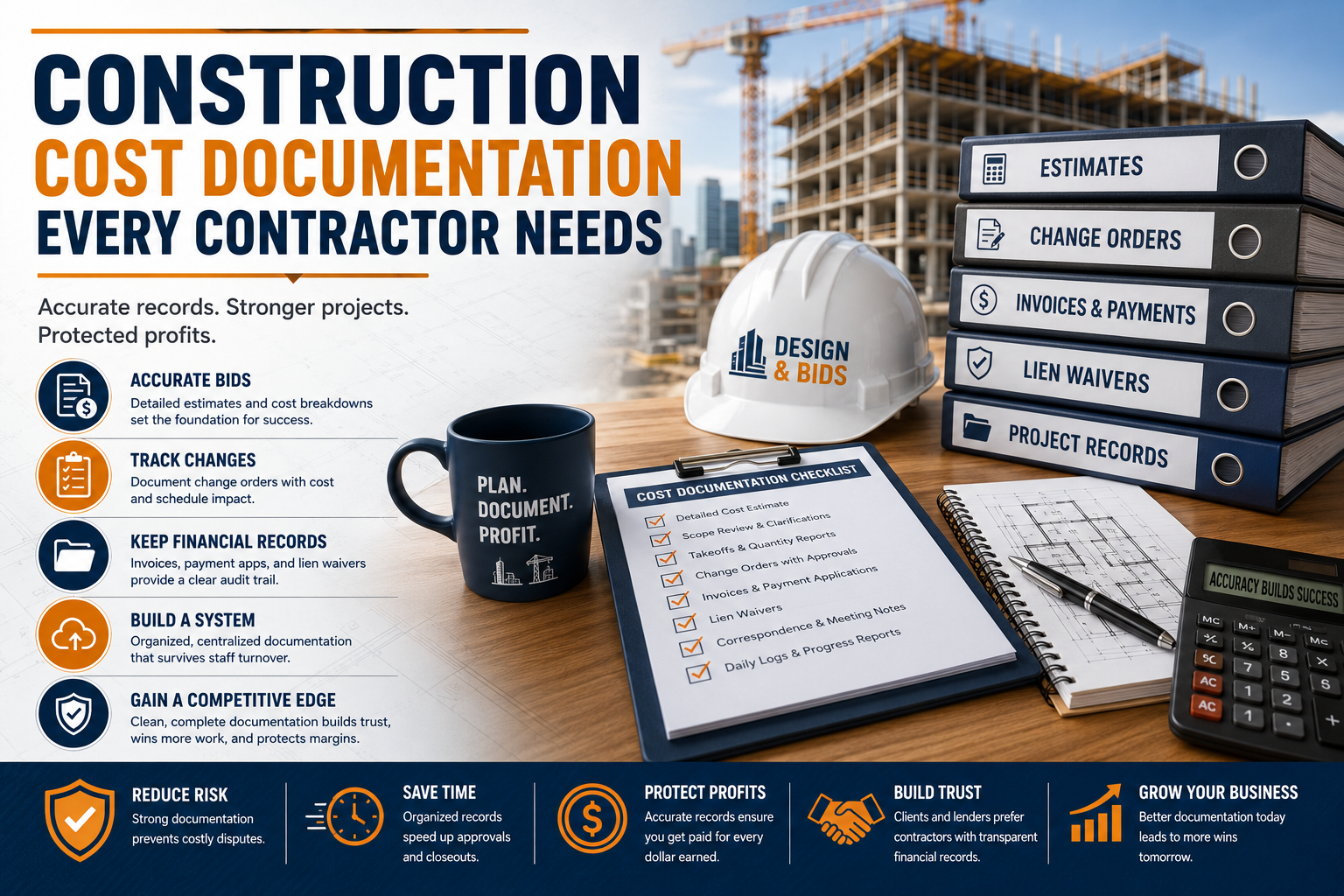
Construction Cost Documentation Every Contractor Needs
Ask any experienced contractor what separates a smooth assignment from a traumatic one, and documentation nearly always comes up earlier than anything else. It's easy to anticipate that accurate work speaks for itself; however, without paper trails backing it up, even the satisfactory-run tasks can emerge in disputes over cash that was by no means well recorded. Poor documentation does not simply create confusion — it creates actual economic exposure when disagreements land in the front of a consumer, an auditor, or a court docket. The contractors who shield their margins most always are the ones who treat paperwork as part of the build, no longer an afterthought. This article walks through the vital fee documents every contractor should be retaining, and why each one matters more than it might seem before everything looks.
The Foundation Documents Behind Every Accurate Bid
Before a single nail goes right into a wall, the numbers at the back of a mission want to be captured someplace reliable, not just remembered by whoever wrote the original bid. This starts with a detailed fee breakdown that separates labor, materials, equipment, and overhead into distinct classes, so nothing gets bundled into indistinct lump sums that are not possible to audit later. Many contractors strengthen this stage by means of working with Construction Estimating Services to make sure the unique numbers are defensible from day one, as opposed to coming across gaps as soon as work is already underway.
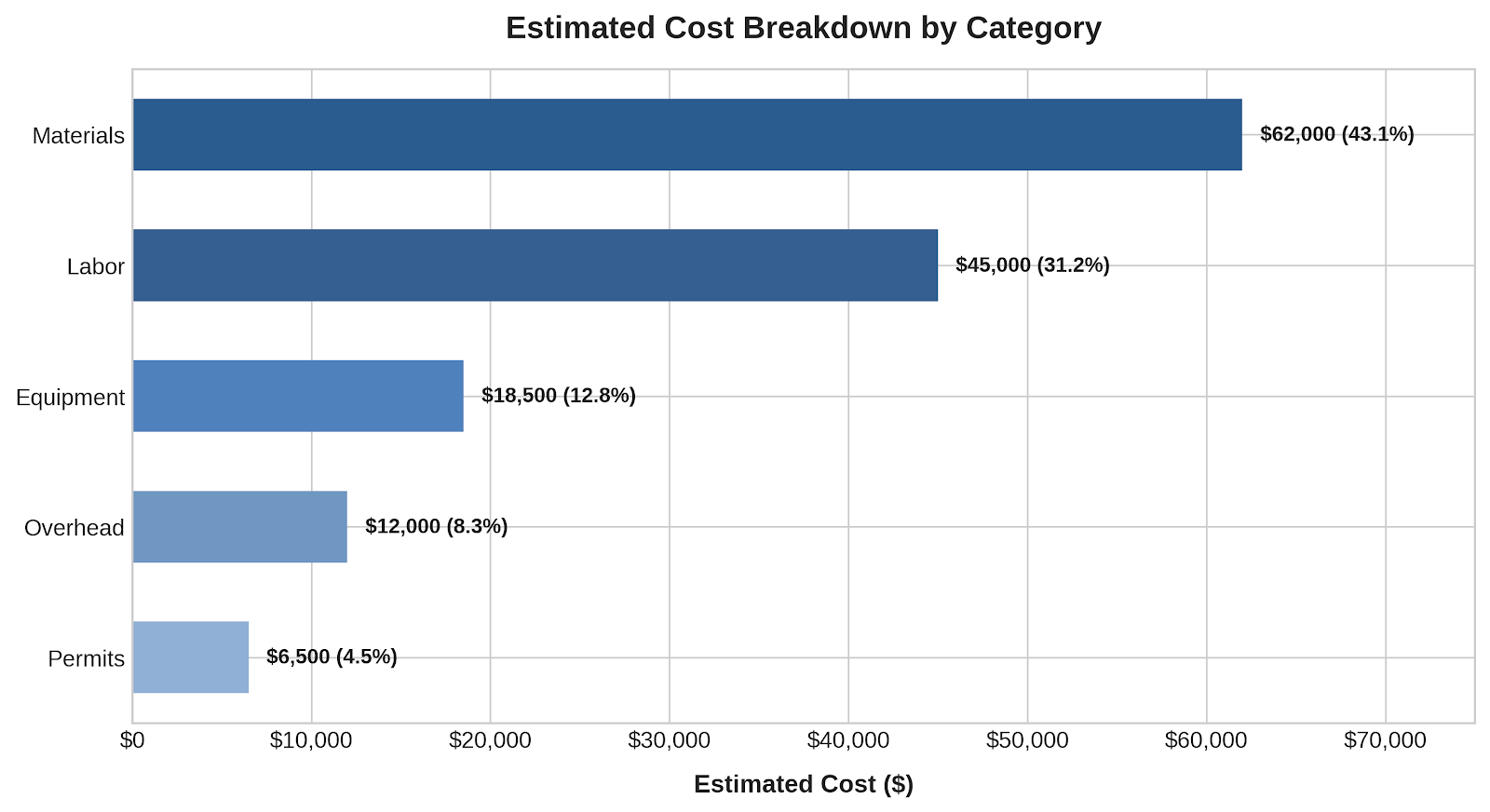
- An itemized price breakdown keeping apart hard work, materials, and device
- Supplier costs stored with dates; past pricing can shift within weeks
- Assumptions log explaining why positive figures have been selected
Without this basis, each later file becomes harder to consider, because there is no clean baseline to compare against. A solid starting record turns every future conversation about cost into a real one in place of a guessing recreation.
Tracking Changes Without Losing the Paper Trail
Change orders are where documentation behavior is tested to the maximum, because they appear rapidly, under stress, and frequently verbally earlier than anybody writes anything down. A change order that isn't always documented in writing, with fee impact connected, is largely a want carried out on trust — and accepted as true which would not hold up properly while budgets get tight. This is one of the reasons a Design and Bids Team is frequently looped in early, so scope adjustments are priced efficaciously earlier than they're permitted in preference to reconciled after the reality.
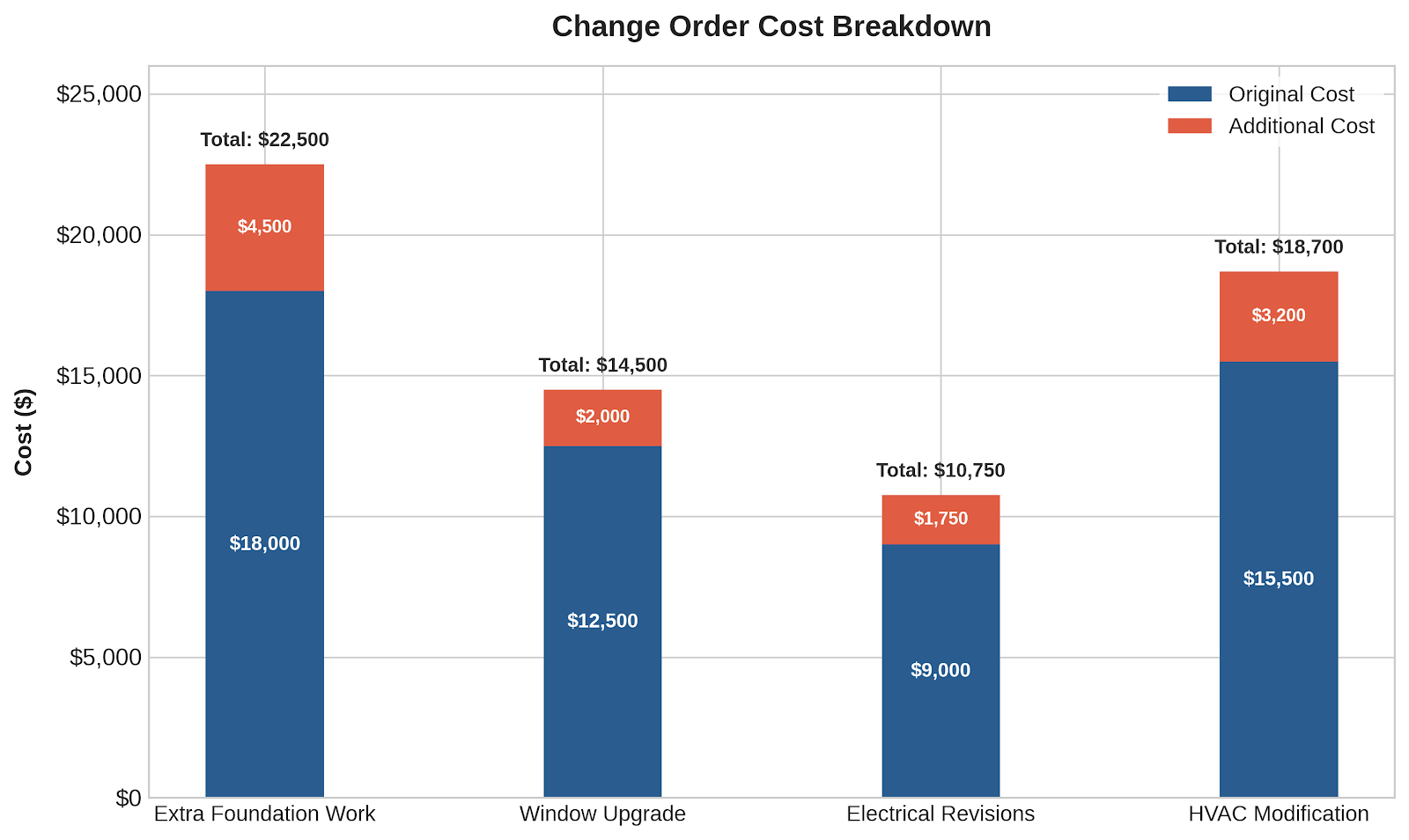
- Written change order forms with fee and schedule effect noted
- Client sign-off captured before work on the change starts
- A walking log of all adjustments tied back to the grasp budget
When alternate documentation is consistent, it becomes nearly impossible for a purchaser or subcontractor to later declare a fee "was never accepted." That safety alone can keep a contractor from soaking up expenses that were in no way theirs to hold.
Financial Records That Hold Up Under Scrutiny
Beyond estimates and change orders, day-to-day financial records are what in reality prove a venture's health at any given second. Invoices, charge programs, and lien waivers are not just administrative paperwork — they are the evidence path that shows cash moved precisely where it was supposed to. If you have ever wondered the way to phrase your original request cleanly, the polished version of your name reads first-class as Construction Cost Documentation Every Contractor Needs; that's precisely the same purpose this kind of document-preserving has to serve: clean, entire, and easy to defend.

- Payment applications matched line-by-line to finished work
- Lien waivers collected and filed before final bills are released
- Retainage tracked one after the other so it is not lost in widespread ledger confusion
These records remember maximum when something goes wrong, since a well-documented financial record can clear up a dispute in minutes as opposed to weeks. Contractors who keep this organized do not often locate themselves scrambling when a client or lender asks for proof of spend.
Building a System That Survives Staff Turnover
One of the quietest dangers in production documentation is how an awful lot of it lives in someone's head in place of a shared system. When an undertaking manager or estimator leaves, undocumented knowledge leaves with them, often at the worst possible time. Building documentation into a repeatable system — not a personal dependency — protects the enterprise itself, not just the individual project.
- Centralized cloud garage handy to multiple team members
- Standardized templates so facts look the same across each challenge
- Clear naming conventions so documents can be located without guesswork
A machine like this additionally hastens onboarding, in view that new hires can understand a task's financial records without having a long verbal walkthrough. That performance compounds throughout each task an employer runs.
Turning Documentation Into a Competitive Advantage
Good documentation habits do not simply save you issues — they actively assist in winning future work. Clients and creditors more and more want contractors who can produce easy, organized facts on request, since it signals a business that's professionally run in place of one operating on guesswork. This recognition, once earned, has a tendency to follow a contractor from project to project.

- Clean facts used as evidence points in future bid proposals
- Faster loan or bonding approvals thanks to obvious financial history
- Fewer disputes on average, which protects long-term client relationships
Over time, this will become a true differentiator in a competitive marketplace, in which contractors might offer comparable pricing but only you can still show, on paper, precisely how that pricing was reached.
Final Thoughts
Documentation might not be the most exciting part of construction, but it is frequently the distinction between a business that grows gradually and one that continues getting stuck off track with the aid of disputes it could have avoided. Every price file, change order, and bill tells part of a story — and contractors who keep that story prepared are the ones who can guard their numbers, defend their margins, and win the next bid with self-assurance. None of this requires complicated software or a large administrative group; it simply requires treating documentation as a core part of the build, not paperwork left for later.
FAQs
1. What's the single most crucial cost document a contractor must never skip? The designated fee breakdown from the original estimate, because every later document — alternate orders, invoices, and disputes — gets measured in opposition to it.
2. How must verbal trade orders be handled on-site? They should usually be accompanied by written affirmation earlier than painting begins, even if it is just a short e-mail, so cost impact is never left to memory.
3. Why do lien waivers rely so much on construction documentation? They show the price was made and received, which protects both the contractor and the client from later price disputes or claims.
4. How long ought production fee information usually be kept? Many contractors preserve financial records for several years after project completion because disputes or audits can surface long after a project is closed out.
5. Does higher documentation simply help win new business? Yes. Clients, creditors, and bonding organizations more and more desire contractors who can produce clean, organized fee statistics, because it signals reliability and decreases hazard.

 Arabic
 French
 Spanish
 Portuguese
 Deutsch
 Turkish
 Dutch
Dutch
 Italiano
 Russian
 Romaian
 Portuguese (Brazil)
 Greek
Greek
