
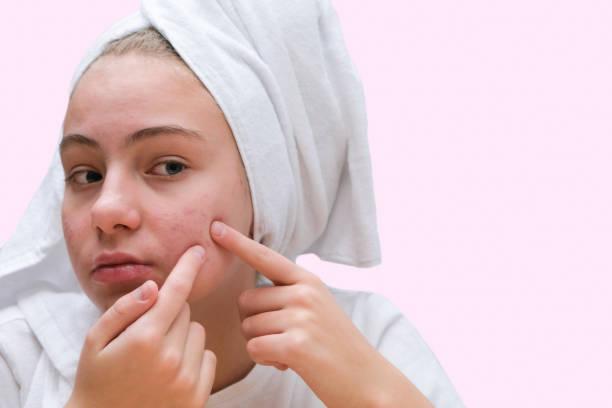
When it comes to treating acne, what you use is only half the story. The order in which you apply your products—known as layering—can determine whether your skincare routine works wonders or causes irritation, dryness, and even more breakouts. Acne Treatment in Riyadh Many patients commit to a consistent Acne Treatment in Riyadh regimen but see disappointing results because they unknowingly sabotage their efforts with common layering mistakes. Understanding the correct sequence and avoiding these pitfalls can make the difference between frustrated trial-and-error and the clear, healthy skin you deserve.
The Golden Rule: Thinnest to Thickest
The fundamental principle of product layering is simple: apply your products from the thinnest consistency to the thickest . This ensures that lighter, water-based serums and treatments can penetrate the skin effectively before heavier creams and oils seal them in. If you apply a thick moisturizer before a lightweight serum, the serum cannot reach the deeper layers of your skin where it needs to work . This rule is especially important during Acne Treatment Saudi Arabia and any climate where temperature and humidity can affect how products absorb.
The Correct Layering Sequence
Step 1: Cleanser
Always start with a gentle, pH-balanced cleanser to remove dirt, excess oil, and impurities . This prepares your skin to receive the active ingredients that follow.
Step 2: Toner (Optional)
If you use a toner, apply it after cleansing to balance your skin's pH and remove any remaining residue. Wait for it to dry completely before moving to the next step .
Step 3: Treatments and Serums
Apply your active treatments—such as prescription retinoids, benzoyl peroxide, salicylic acid, or vitamin C serums—at this stage . This is where the real work happens, and these products should be applied to clean, dry skin for maximum absorption. For those using multiple actives, wait 5-10 minutes between each to allow absorption and minimize irritation .
Step 4: Moisturizer
Hydration is crucial, even for oily or acne-prone skin. Apply a lightweight, non-comedogenic moisturizer to lock in hydration and support your skin barrier . This step helps mitigate the dryness and irritation that acne treatments often cause.
Step 5: Sunscreen (Morning Only)
In the morning, sunscreen is your final step. Apply a generous amount of SPF 30 or higher as the last layer of your routine to protect your skin from UV damage .
Common Layering Mistakes and How to Avoid Them
Mistake #1: Applying Retinoids to Damp Skin
Retinoids are powerful ingredients, and applying them to damp skin can increase absorption and irritation significantly . This often leads to redness, peeling, and discomfort. The solution: always apply retinoids to completely dry skin and wait 20 minutes after cleansing before application.
Mistake #2: Mixing Actives Without a Strategy
Combining certain active ingredients can lead to irritation or reduce their effectiveness. For example, using benzoyl peroxide and a retinoid at the same time can be extremely drying and irritating for many people . This is why fixed-dose combination products (like Epiduo) are formulated to balance these ingredients safely . If you are using multiple actives, alternate them by time of day (e.g., one in the morning, one at night) or rotate them on different days.
Mistake #3: Over-Exfoliating
Using physical scrubs or chemical exfoliants (like AHAs and BHAs) daily can disrupt the skin barrier and worsen acne . Exfoliation should be limited to 2-3 times per week, especially if you are already using prescription acne treatments. For those seeking Acne Treatment, remember that more is not always better.
Mistake #4: Skipping Moisturizer
Many acne sufferers believe that moisturizing will make their skin oilier and cause more breakouts. In reality, skipping moisturizer can trigger a compensatory response where your skin produces even more oil to compensate for dehydration . This is a common pitfall for those on Acne Treatment regimens.
Mistake #5: Not Waiting Between Layers
Applying products too quickly without allowing them to absorb can dilute active ingredients and reduce their effectiveness . Wait at least 1-2 minutes between each layer to ensure proper absorption.
Mistake #6: Using Vitamin C and Retinoids at the Same Time
While both are beneficial, vitamin C (especially L-ascorbic acid) and retinoids are best separated . Using them together in the same routine can increase irritation and reduce the stability of both ingredients. Apply vitamin C in the morning and retinoids at night.
Mistake #7: Applying Sunscreen Under Moisturizer
Sunscreen should always be your final step in the morning . Applying other products over it can disrupt the protective film it forms on your skin and reduce its effectiveness.
For those seeking expert guidance and customized aesthetic care, you can book an appointment consultation at the Enfield Royal Clinic.
Frequently Asked Questions
How long should I wait between applying different skincare layers?
Wait at least 1-2 minutes between layers to allow each product to absorb properly before applying the next . For retinoids, wait 20 minutes after cleansing.
Can I use benzoyl peroxide and a retinoid together?
Yes, but they can be irritating. Some patients tolerate fixed-dose combinations (e.g., Epiduo), while others prefer using them at different times of day.
Should I apply sunscreen before or after moisturizer?
Sunscreen should always be the final step in your morning routine, applied after moisturizer .
Is it okay to skip moisturizer if my skin is oily?
No. Skipping moisturizer can lead to increased oil production as your skin tries to compensate for dehydration, potentially worsening breakouts .
How long does it take to see improvement after correcting my routine?
Most patients notice reduced irritation and improved absorption within 1-2 weeks. Meaningful improvements in acne often take 8-12 weeks of consistent, correct application

 Arabic
 French
 Spanish
 Portuguese
 Deutsch
 Turkish
 Dutch
Dutch
 Italiano
 Russian
 Romaian
 Portuguese (Brazil)
 Greek
Greek
