
Which Is the Most Difficult Language to Learn and Why?
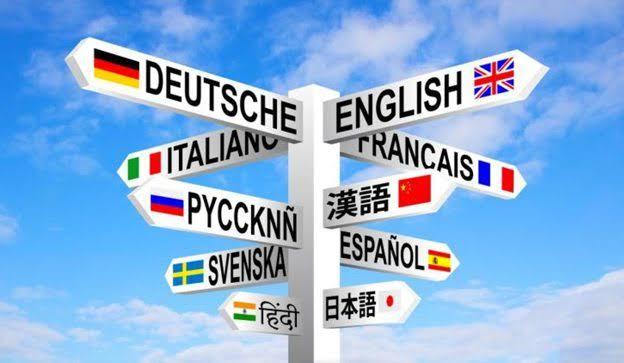
A few very common journeys that most individuals embark upon during their lifetime are learning a new language which could be one of the most amazing journeys for someone to adapt to culture and also opens many pathways in terms of communication with people all around the globe. But, not all languages are equally simple to learn. New writing systems, complicated grammar rules, different pronunciation and even more different sentence structures: these are all challenges with learning languages. Depending on your mother tongue and the languages you've studied before, the difficulty level also varies.
So in the case of an English speaker, Spanish might actually be easier because there are so many cognates and grammatical concepts across languages. Conversely, Mandarin Chinese, Arabic, Japanese and Korean are all very hard for different reasons (new writing systems and language patterns here).
This article investigates which language is the hardest to learn, why it is so difficult and what learners can do about it.
What Makes a Language Difficult?
The difficulty of a language is attributed to many important factors rather than just one. No two learners struggle the same way, however, there are few things which make some languages harder than others.
-
One of the main obstacles is the writing system. Languages that use thousands of characters or entirely different alphabets need much more work than roman alphabet based languages do.
-
Another significant factor is the complexity of grammar. There may be a lot of verb forms, noun cases, gender rules, or sentence structures that have little to do with English in some languages.
-
Pronunciation also matters a lot. Others involve sounds you have never made in English, and therefore might not be able to hear or produce properly.
-
Most new words are not similar to the English vocabulary, which makes learning more difficult due to different vocabulary.
-
Cultural understanding is just as important since many expressions, idioms, and ways of speaking are very much connected to local traditions and customs.
What Is the Toughest Language?
Many language specialists agree that Mandarin Chinese is also one of the hardest languages for English-speakers. It has an uncommon writing system, is tonal and has thousands of characters you need to memorize.
Mandarin also fundamentally changes at a base level in that the meanings of such depend on tones, which one may argue do not exist with English. One syllable said in a particular tone can mean something else completely. This makes listening and speaking especially difficult for beginners.
Another language that takes a lot of memorization in terms of writing is Chinese, as instead of letters the symbols all represent meaning.
Some of the Reasons Why Japanese Is Difficult
Japanese is also a language new learners can find challenging. One thing being its writing system consisted of Hiragana, Katakana and Kanji. Before feeling comfortable reading, learners must familiarize themselves with all three systems.
The grammar of Japanese (as it is constructed) differs by far from that of English. Verb tenses mostly seem to be at the end of a sentence and politeness levels depend entirely on the person you are talking with.
Even with these barriers many students have fallen in love with Japanese manga, anime, culture, technology and business and travel as well.
Arabic and Its Complexities
Arabic is generally considered one of the most difficult languages in the world due to its script, pronunciation, and grammar.
The Arabic alphabet reads right to left, which is novel for many new learners. Letters have different forms depending on where they fall in a word, which adds a layer of complexity to the reading at first.
Arabic also has sounds that you will lose in English — this requires active listening and constant speaking.
Korean and Its Learning Curve
While Korean letters, or Hangul, is pretty easy to learn, learning the language itself takes a lot of practice.
Korean grammar is not going to be anything like English, and everyone must know the honorific expressions that are always used in Korean for Respect. Another difference is sentence order so learners need to put their brains in a different mode when speaking.
Then there is vocabulary, where the Korean language contains many native words as well as borrowed terms from Chinese, meaning more memorization.
Midway Insight for Learners
If you do Online Search from the Latest which Is the most difficult language to learn, then You will see clearly – Mandarin Chinese, Japanese, Arabic and Korean are always at the same level when it comes to complications of languages as per fonts. But not everyone seems to find it difficult. It can be so easy for one learner as they may have experience with that language.
Does Your Native Language Matter?
Q: If your first language can make another language feel more or less difficult to learn?
The Spanish language belongs to the Romance group, thus, it will be easier to speak Italian or Portuguese (which are indeed languages from the other group of languages).
Likewise, actively spoken Korean people might find Japanese grammar easier to digest than English.
Similar languages mean a shorter time of getting there because they are already familiar with many strange vocab words, grammar structures, or how the sounds are pronounced.
Can Difficult Languages Become Easier?
Absolutely. With regular work, even the most difficult language can be mastered with effective methods.
It is the practice that makes you better, not studying many hours once a week. Over time, reading easy stories, listening to natives and conversations as well begin to turn into comprehension.
Learning through apps, watching with subtitles in language you are studying, forming a speaking clubs and using chat with native speakers can also accelerate the process.
Mistakes should not discourage learners. Each mistake only gets you better and more confident.
Advantages of Picking Up a Hard Language
While learning a hard language takes effort, the benefits are huge.
-
Multilingual people are sought after by companies that work with international clients, making this one of the career opportunities you can explore.
-
You look so familiar with the local people and culture while you are traveling.
-
Another language increases memory, problem-solving skill, concentration and overall cognitive abilities of a person.
-
Extra work and learning here also provides a chance to meet people from all walks of life, leading to friendships and cultural experiences that would be harder or impossible to cultivate otherwise.
Tips for Learning Difficult Languages
-
Pick a study schedule that you can realistically stick to each day.
-
Listen before speaking too much.
-
Read Basic Level Books Specifically for Beginners.
-
Listening- Watch movies, documentaries and educational videos in your target language.
-
Instead of learning a long list of vocabulary, learn some useful business phrases.
-
Talk often without stressing over making errors.
-
To stay driven, celebrate small wins during your practice.
Conclusion
The most difficult language to learn will depend on your mother tongue, learning style and your personal goals. Mandarin Chinese, Japanese, Arabic and Korean are widely regarded as some of the toughest languages to learn (around the world at least), but they can be mastered. With regular practice, some patience, and adequate study materials, you can learn even the most complex of languages.
These findings suggest you might want to choose a language based not only on its difficulty but also on your own interests, career aspirations and travel plans. A lot of times, passion and practice speaks louder than the language. Even the basic simple spanish grammar implies that each language has its complexities and learning strategy alike. If you are willfully unreasonable it is a perfectly achievable goal with the kind of pay off that only gets better with time.

 English
 Arabic
 French
 Spanish
 Portuguese
 Deutsch
 Turkish
 Dutch
Dutch
 Italiano
 Russian
 Romaian
 Greek
Greek
