
Liposuction Aftercare Nutrition: Foods That Support Healing
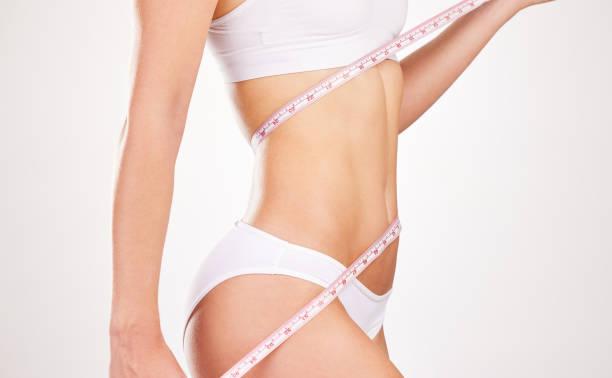
The success of your liposuction results doesn't end in the operating room; it extends into your recovery journey at home. Liposuction in Riyadh While the procedure sculpts your new contours, proper nutrition provides the essential building blocks your body needs to heal efficiently and reduce complications. A diet rich in lean proteins, anti-inflammatory foods, and key vitamins can significantly impact your recovery timeline and help you achieve the beautiful results you invested in.
The Power of Protein for Tissue Repair
Protein is the cornerstone of post-surgical nutrition, as it directly supports cell repair and collagen formation . Your body needs adequate protein to rebuild damaged tissues, maintain muscle mass, and promote wound healing during recovery. Aim for approximately 60 to 80 grams of protein daily, spread across small, frequent meals . Excellent sources include skinless poultry, fish and shellfish, eggs, Greek yogurt, tofu, and legumes like beans and lentils. For patients who struggle to meet their protein goals through food alone, protein shakes and supplements can be a helpful addition .
Anti-Inflammatory Foods to Minimize Swelling
Inflammation is a natural part of healing, but excessive swelling can prolong discomfort and delay your recovery. Incorporating anti-inflammatory foods into your diet helps your body manage this process . Fatty fish like salmon and mackerel are rich in omega-3 fatty acids, which help reduce inflammation . Berries such as blueberries and strawberries, leafy greens like spinach and kale, nuts, seeds, and extra virgin olive oil all provide compounds that calm the inflammatory response . Ginger and turmeric are also excellent additions to meals or teas for their natural anti-inflammatory properties.
Vitamins and Minerals That Boost Immunity and Healing
Your immune system works hard during recovery, and specific nutrients provide crucial support. Vitamin C, found in citrus fruits, bell peppers, and berries, is essential for collagen synthesis and immune function . Vitamin A supports immune health, while Vitamin E acts as an antioxidant to reduce inflammation . Zinc, found in lean meats, spinach, and lentils, aids in tissue repair and immune function . Iron is vital for delivering oxygen to healing tissues, and can be sourced from red meat, beans, and fortified cereals .
Staying Hydrated for Optimal Healing
Hydration is non-negotiable during recovery. Water supports circulation, helps flush out toxins, and reduces swelling . Aim for around 64 ounces (about 2 liters) of fluids daily, including water, clear broths, herbal teas, and hydrating foods like cucumbers and melons . Proper hydration also helps prevent constipation, a common side effect of pain medications and reduced activity .
Foods to Avoid During Recovery
Equally important as what you eat is what you avoid. Salty foods can increase fluid retention and exacerbate swelling, so limit sodium intake for at least 2-4 weeks post-surgery . Sugary foods and drinks spike blood sugar, promote inflammation, and can weaken your immune system . Processed and fried foods are high in unhealthy fats and preservatives that hinder healing and offer little nutritional value . Alcohol dehydrates the body, can interfere with medications, and taxes your liver, which is already working to metabolize anesthetics . Avoid alcohol for at least the first 2-3 weeks of recovery.
For those seeking expert guidance and customized aesthetic care, you can book an appointment consultation at the Enfield Royal Clinic.
Frequently Asked Questions
Why is protein important after liposuction?
Protein provides the essential amino acids needed to repair tissues, build collagen, and maintain muscle mass during the healing process .
What foods reduce swelling after liposuction?
Anti-inflammatory foods like fatty fish, berries, leafy greens, nuts, seeds, and olive oil help manage swelling . Staying hydrated also reduces fluid retention.
Why should I avoid salt after liposuction?
Sodium causes water retention, which can worsen post-surgical swelling and slow your recovery .
Can I drink alcohol after liposuction?
No. Alcohol dehydrates the body and can interfere with pain medications and healing, so it should be avoided for at least 2-3 weeks .
How much water should I drink after liposuction?
Aim for about 64 ounces (2 litres) of fluids daily to support healing, reduce swelling, and prevent constipation .

 English
 Arabic
 French
 Spanish
 Portuguese
 Deutsch
 Turkish
 Dutch
Dutch
 Italiano
 Russian
 Romaian
 Greek
Greek
