
Explore Exosomes Therapy for Hair Loss in Riyadh for Advanced Scalp Renewal
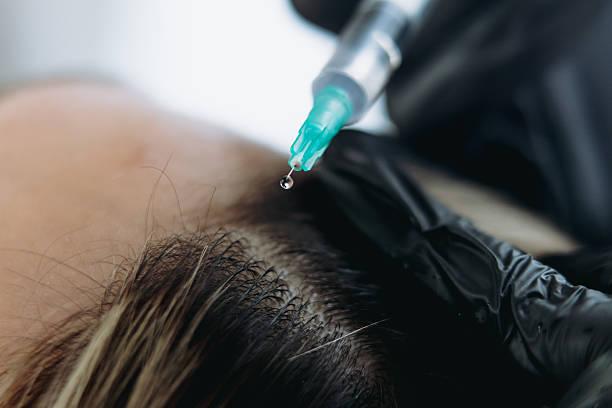
Exosomes Therapy for Hair Loss in Riyadh is gaining attention as an emerging approach to modern hair and scalp care. Exosomes are tiny extracellular vesicles involved in communication between cells. Researchers are studying their potential role in supporting cellular activity around hair follicles and encouraging healthier hair growth. Early clinical research has reported improvements in hair density and thickness, but larger and better-controlled studies are still needed to establish consistent treatment protocols.
Hair loss can develop for many reasons, including hereditary factors, hormonal changes, aging, nutritional issues, stress, and certain medical conditions. Because the cause can vary from person to person, identifying the underlying reason is an important part of choosing an appropriate treatment approach. Exosome-based treatments are generally discussed in the context of regenerative hair care, particularly for forms of hair thinning such as androgenetic alopecia.
How Exosomes May Support Hair and Scalp Renewal
Exosomes contain biological signals and molecules that may influence communication between cells. Researchers are investigating whether these signals can support the environment surrounding hair follicles. Laboratory and early clinical research suggests that exosomes may affect pathways associated with follicle activity, dermal papilla cells, inflammation, and tissue regeneration.
The goal is not simply to make the scalp appear healthier temporarily. The broader interest in exosome therapy comes from its potential to support the biological environment involved in hair growth. Some studies have observed changes in hair density and shaft thickness following exosome-based interventions. However, research varies considerably in the source of exosomes, preparation methods, delivery techniques, and treatment protocols, making direct comparisons difficult.
Why Exosome Therapy Is Becoming Popular in Riyadh
People experiencing thinning hair often look for approaches that fit into modern, non-surgical hair restoration plans. This has increased interest in regenerative treatments that focus on the scalp rather than relying only on conventional cosmetic solutions. Exosome therapy has become part of this conversation because of its potential to influence cellular communication and follicular activity.
The growing interest in Exosomes Therapy for Hair loss in Saudi Arabia also reflects the wider development of regenerative medicine. However, popularity should not be confused with proven effectiveness. Current reviews describe exosome therapy as promising, while also emphasizing the need for larger clinical studies, standardized products, and longer follow-up.
What Happens During an Exosome Hair Treatment?
Before treatment, a qualified medical professional should assess the scalp and hair-loss pattern. This assessment helps determine whether the observed thinning may be related to hereditary hair loss or another condition that requires a different approach. A detailed medical history can also help identify factors that may influence hair shedding.
The treatment method can vary depending on the specific exosome preparation and clinical protocol. Some research has examined topical applications, while other studies have investigated delivery through scalp procedures such as microneedling or injection. Because there is no universally standardized protocol for hair-loss exosome treatment, patients should ask what product is being used, where it comes from, how it is prepared, and what evidence supports its use.
Who May Consider Exosome Therapy for Hair Loss?
Exosome-based hair treatments are mainly being investigated for conditions involving hair thinning, especially androgenetic alopecia. This type of hair loss is commonly associated with gradual changes in hair density and follicle size. Research into exosomes has explored whether regenerative signals could help improve the appearance and biological activity of affected follicles.
Not every type of hair loss should automatically be treated with exosomes. Sudden shedding, patchy bald spots, scalp inflammation, or unexplained hair loss can have different causes. A professional evaluation is therefore important before selecting any regenerative treatment. Finding the underlying cause may be more important than choosing a particular procedure.
Potential Benefits of Exosome Hair Treatment
One reason exosome therapy has attracted attention is its potential to support improvements in hair density and thickness. Recent clinical reviews have reported positive changes in at least one hair-related measure across the available studies. Some research has also reported generally favorable patient satisfaction and few treatment-related adverse effects in the small groups studied.
Another potential advantage is its place within non-surgical regenerative hair care. Exosome-based approaches do not involve conventional hair transplantation, which makes them interesting to people who are exploring alternatives before considering surgical restoration. Still, “non-surgical” does not mean risk-free, and the safety of a particular treatment depends on the product, preparation, administration method, and medical oversight.
Exosomes Therapy for Hair Loss in Saudi Arabia
Interest in Exosomes Therapy for Hair loss in Saudi Arabia is connected with the growing availability of advanced aesthetic and regenerative medicine approaches. Patients may encounter different products described as exosome treatments, but these products are not necessarily identical. Their biological source, manufacturing process, concentration, purity, and method of application can differ significantly.
This makes informed decision-making especially important. Patients should not select treatment based only on promotional claims or impressive before-and-after photographs. Instead, they should ask about the scientific evidence, product quality, expected outcomes, possible side effects, and whether the treatment is appropriate for their particular form of hair loss.
What Results Can You Expect?
Results from exosome therapy can vary because hair growth is influenced by genetics, age, hormonal factors, scalp health, the severity of hair loss, and the underlying cause. Some early studies have reported increases in hair density or thickness after treatment, but the available evidence remains limited and differs between studies.
It is also important to maintain realistic expectations. Exosome therapy should not be presented as a guaranteed cure for baldness or as a replacement for every established hair-loss treatment. A qualified professional can explain whether it may have a role in an individualized hair restoration plan and whether other evidence-based options should also be considered.
Is Exosome Therapy Safe?
Safety is one of the most important considerations when exploring any emerging regenerative treatment. Published hair-loss studies have generally reported mild or limited side effects, but researchers continue to emphasize that the clinical evidence is still relatively small and heterogeneous. Longer-term safety data are also needed.
Patients should also be careful about the source and quality of any exosome product. The U.S. FDA has previously warned about unapproved exosome products and reported serious adverse events associated with some unapproved products. Although regulatory requirements differ between countries, this highlights why product transparency, qualified medical supervision, informed consent, and appropriate regulatory compliance matter.
How to Prepare for Exosome Hair Treatment
Preparation begins with an honest discussion about the history of hair loss. Patients should describe when shedding or thinning started, whether it is progressing, whether close relatives have similar hair loss, and whether they have experienced recent illness, stress, dietary changes, or medication changes.
It is also useful to discuss previous hair-loss treatments and any scalp symptoms. A professional may use scalp examination, photographs, or other assessments to understand the condition more clearly. This information helps establish realistic expectations and makes it easier to monitor changes after treatment.
Maintaining Hair Health After Treatment
A healthy scalp routine can complement a professional hair-loss plan. Gentle cleansing, adequate nutrition, appropriate hair-care practices, and protection from unnecessary chemical or mechanical damage can help maintain overall scalp and hair health. However, lifestyle measures alone cannot reverse every form of hair loss.
Follow-up is equally important. Hair changes are gradual, so evaluating progress over time is generally more useful than judging results immediately. Consistent photographs under similar lighting and professional assessments can provide a clearer picture of whether hair density or thickness is changing.
Conclusion
Exosome therapy represents an interesting development in regenerative hair care, particularly for people exploring advanced approaches to hair thinning. Current research suggests potential benefits for hair density and thickness, but the evidence is still developing, and researchers continue to call for larger controlled trials and standardized treatment methods.
For anyone considering Exosomes Therapy for Hair Loss in Riyadh, the most important step is to understand the cause of hair loss and discuss suitable options with a qualified professional. As interest in Exosomes Therapy for Hair loss in Saudi Arabia continues to grow, choosing an evidence-aware approach can help patients make informed decisions. A careful consultation and realistic expectations are essential when exploring advanced scalp renewal options, including those associated with Royal clinic Saudi.
Frequently Asked Questions
What Is Exosomes Therapy for Hair Loss in Riyadh?
Exosomes Therapy for Hair Loss in Riyadh is an emerging regenerative approach being investigated for hair thinning and conditions such as androgenetic alopecia. It uses exosome-based preparations intended to influence cellular communication around the hair follicle. Current research is promising but remains limited, so results cannot be guaranteed.
How Does Exosome Therapy Support Hair Growth?
Exosomes may carry biological signals that influence cellular activity involved in the hair-growth environment. Research has investigated their effects on dermal papilla cells, follicular activity, inflammation, and regenerative pathways. However, researchers are still working to determine the most effective and consistent treatment methods.
Is Exosome Therapy Suitable for Every Type of Hair Loss?
No. Hair loss has many possible causes, and exosome therapy is not automatically suitable for every condition. A professional assessment is important, particularly when hair loss is sudden, patchy, severe, or accompanied by scalp symptoms.
What Is Exosomes Therapy for Hair Loss in Saudi Arabia?
Exosomes Therapy for Hair loss cost in Saudi Arabia refers to the use or investigation of exosome-based regenerative approaches for hair thinning and hair restoration within Saudi Arabia. The exact treatment method and product can vary, so patients should ask about the source, preparation, evidence, and safety information before treatment.
When Can Someone Expect Hair Improvement?
The timing of visible improvement can vary considerably. Hair growth is gradual, and clinical studies have used different follow-up periods and treatment protocols. Because the evidence is still developing, it is better to discuss an individualized timeline with a qualified professional rather than expect a fixed result.
Are Exosome Hair Treatments Proven to Regrow Hair Permanently?
No. Current research does not establish exosome therapy as a guaranteed permanent solution for hair loss. Early studies have shown encouraging findings, but larger randomized trials, standardized products, and longer-term research are still needed to establish how effective and durable the results are.

 English
 Arabic
 Spanish
 Portuguese
 Deutsch
 Turkish
 Dutch
Dutch
 Italiano
 Russian
 Romaian
 Portuguese (Brazil)
 Greek
Greek
