
Property Casualty Insurance Market Analysis 2035: Personalized Coverage Solutions Driving Customer Retention
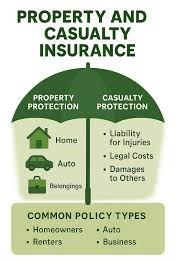
The explosive proliferation of sharing economy platforms, ranging from short-term property rentals to peer-to-peer ride-sharing applications, has disrupted the foundational assumptions of the traditional property casualty insurance market. Historically, insurance policies were built around clear binary concepts of ownership, distinctly separating private personal risk from corporate commercial liability. Today, an individual vehicle might serve as a personal family car in the morning and a commercial delivery asset in the afternoon, creating complex risk profiles that standard personal auto policies fail to cover adequately. This blurring of lines leaves gig-economy workers exposed to catastrophic financial liability gaps if an accident occurs while transitioning between personal use and commercial platform operations. In response to this evolving consumer landscape, innovative insurance providers are engineering hybrid, fractional insurance solutions that dynamically switch coverage modes based on real-time application usage data, ensuring uninterrupted protection for modern workers.
To successfully capture this rapidly expanding consumer demographic, insurance carriers are developing targeted products customized for specific demographics within the market. By analyzing each distinct Property Casualty Insurance Market segment, product developers can identify the unique coverage requirements of freelance professionals, digital nomads, and small-scale entrepreneurs who operate outside traditional office environments. These specialized offerings feature flexible, monthly subscription-style premium structures, allowing users to pause, scale down, or expand their coverage limits instantly via mobile applications to match their real-time business volumes. This agility not only enhances customer retention but also opens new revenue streams for insurance carriers in mature markets where traditional, static yearly policies are declining in popularity among younger generations who prioritize flexible access over permanent asset ownership.
Frequently Asked Questions What is an insurance coverage gap in the context of the sharing economy? A coverage gap occurs when a personal insurance policy excludes accidents that happen while using an asset for commercial purposes, like ride-sharing, before the corporate platform's commercial policy activates.
How do subscription-based insurance policies benefit freelance professionals and gig workers? Subscription policies allow freelancers to pay only for coverage when actively working, giving them the flexibility to scale protection up or down instantly to match their current project loads and income.

 English
 Arabic
 French
 Spanish
 Deutsch
 Turkish
 Dutch
 Italiano
 Russian
 Romaian
 Portuguese (Brazil)
 Greek
