
Electronic Nose Market Share 2035: North America Leading Research and Commercialization Efforts
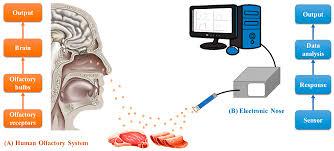
The diversification of artificial olfaction systems has led to a highly segmented product landscape, with devices tailored precisely to the unique operational environments of specific industrial verticals. From heavy-duty, explosion-proof fixed installations designed for offshore oil rigs to highly polished, handheld devices used by culinary experts and wine sommeliers, there is no one-size-fits-all solution in chemical tracking. Industry analysts examining the Electronic Nose Market Segment divisions highlight that the market is bifurcated by technology type, application domain, and end-user requirements. This clear division allows engineering firms to channel their research and development budgets into perfecting specific sensor properties—such as prioritizing extreme durability for mining equipment or maximizing sensitivity and sterility for medical diagnostic tools used in operating rooms.
This structural segmentation is further accelerated by the differing data needs of various professional end-users. For example, defense and military divisions require ruggedized chemical sniffers capable of instantly identifying trace chemical warfare agents under extreme combat conditions, demanding high reliability and zero false negatives. On the other hand, the cosmetics and fragrance industry requires delicate laboratory-grade instruments that can differentiate between subtle formulation changes in perfumes, prioritizing nuance and precision over physical ruggedness. By acknowledging and designing for these distinct operational silos, sensor manufacturers can effectively maximize their market penetration, ensuring that each industry receives a tool optimized for its specific regulatory obligations and environmental challenges.
Frequently Asked Questions
-
Why do device manufacturers segment the artificial olfaction market based on distinct industry verticals? Different industries have completely unique operational demands; for example, military applications require rugged, explosion-proof units for threat detection, while the cosmetics industry needs highly delicate, precise laboratory instruments for fragrance formulation.
-
What are the primary technological differences between sensors used in heavy mining versus medical diagnostics? Mining sensors emphasize extreme physical durability, dust resistance, and explosion-proof housings to detect hazardous gases, whereas medical sensors focus on sterility, high sensitivity to biological markers, and fine precision.

 English
 French
 Spanish
 Portuguese
 Deutsch
 Turkish
 Dutch
Dutch
 Italiano
 Russian
 Romaian
 Portuguese (Brazil)
 Greek
Greek
