
Lighting Enhancement Ideas to Transform Your Home and Improve Everyday Living
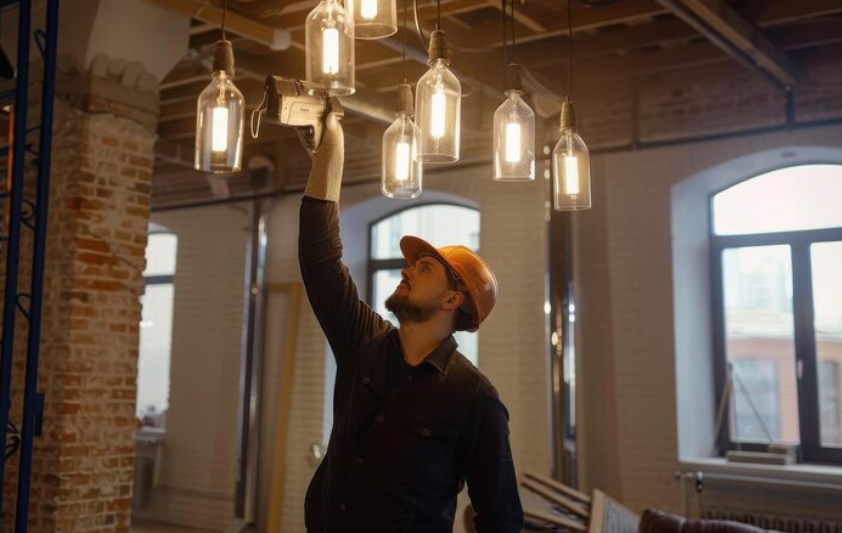
Lighting plays a major role in shaping the appearance, comfort, and functionality of any space. A well-planned lighting system can completely change the atmosphere of a room, highlight important features, and create a more welcoming environment. Many homeowners focus on furniture, colors, and decorations while overlooking the impact that proper lighting can have. Through thoughtful lighting enhancement, it is possible to improve both the beauty and usability of indoor and outdoor areas while creating a space that feels balanced and comfortable.
Lighting is more than simply adding brightness to a room. It involves choosing the right fixtures, positioning lights correctly, and creating layers of illumination that serve different purposes. Whether you want a cozy living area, a productive workspace, or an attractive outdoor setting, the right approach to lighting can make a significant difference.
Understanding the Importance of Quality Lighting
Every room has a purpose, and lighting should support the activities performed in that space. A kitchen requires bright and focused lighting for cooking and food preparation, while a bedroom benefits from softer lighting that encourages relaxation. A home office needs adequate illumination to reduce eye strain and improve concentration.
Poor lighting can make spaces appear smaller, dull, or uncomfortable. Dark corners, harsh shadows, and uneven brightness can affect the overall feel of a home. On the other hand, carefully designed lighting creates balance and improves the visual appeal of every area. This is why many homeowners invest in professional lighting enhancement solutions to achieve better results.
Creating Layers of Light for Better Results
One of the most effective ways to improve a space is by using different layers of lighting. A combination of ambient, task, and accent lighting creates a flexible and attractive environment.
Ambient lighting provides general illumination throughout a room. Ceiling fixtures, chandeliers, and recessed lights are common examples that help establish the overall brightness level. Task lighting focuses on specific activities, such as reading, cooking, or working. Desk lamps, under-cabinet lights, and vanity lights are useful examples of task lighting.
Accent lighting adds style and highlights special features such as artwork, architectural details, shelves, or decorative elements. Wall lights, spotlights, and LED strips can create visual interest and bring attention to areas that deserve focus. Combining these different types of lighting is an essential part of effective lighting enhancement because it allows homeowners to customize the mood and functionality of each room.
Improving Energy Efficiency Through Modern Lighting
Modern lighting technology offers many ways to reduce energy consumption while maintaining excellent brightness and style. LED lighting has become a popular choice because it uses less energy, lasts longer, and produces less heat compared to traditional bulbs.
Smart lighting systems also provide greater control and convenience. Homeowners can adjust brightness levels, change colors, and schedule lighting according to their preferences. Motion sensors and automated controls can further improve efficiency by ensuring lights are only used when needed.
Energy-efficient lighting not only helps reduce electricity costs but also supports environmentally responsible living. Upgrading outdated fixtures and replacing inefficient bulbs are simple steps that can create a noticeable improvement in a home’s performance.
Enhancing Interior Design With Strategic Lighting
Lighting has a powerful connection with interior design. The right lighting choices can emphasize colors, textures, and architectural features while creating a specific mood. Warm lighting can make a room feel inviting and comfortable, while cooler tones can create a modern and energetic atmosphere.
For example, pendant lights above a kitchen island can add style while providing practical illumination. Recessed lights can create a clean and minimal look in living areas. Decorative fixtures can act as statement pieces that enhance the personality of a room.
A successful lighting plan considers the size, layout, and design style of a space. With proper planning, lighting becomes an important design element rather than just a functional necessity. Professional lighting enhancement allows homeowners to combine beauty and practicality in a way that complements their overall vision.
Outdoor Lighting Improvements for Safety and Appeal
Outdoor areas also benefit greatly from thoughtful lighting solutions. Exterior lighting improves safety by illuminating pathways, entrances, driveways, and outdoor living spaces. It helps reduce the risk of accidents while making the property more attractive after sunset.
Landscape lighting can highlight trees, gardens, water features, and architectural details. Patio and deck lighting can create comfortable spaces for entertaining guests or enjoying quiet evenings outdoors. Security lighting, including motion-activated fixtures, adds an additional layer of protection around the property.
A well-designed outdoor lighting system extends the usability of outdoor areas and enhances curb appeal. With the right placement and fixture selection, homeowners can create beautiful exterior environments that feel welcoming and secure.
The Role of Smart Technology in Modern Lighting
Smart home technology has changed the way people interact with lighting. Instead of manually controlling every fixture, homeowners can manage lighting through mobile apps, voice assistants, or automated schedules.
Smart lighting systems allow users to create customized scenes for different occasions. A relaxing evening setting, a bright workspace environment, or a movie night atmosphere can be created with simple adjustments. These systems also allow remote control, making it easier to manage lights when away from home.
The integration of smart features is becoming an important part of modern lighting enhancement because it provides convenience, personalization, and improved energy management. As technology continues to advance, lighting systems are becoming more adaptable and user-friendly.
Choosing the Right Lighting Solutions for Your Space
Before upgrading lighting, it is important to evaluate the needs of each area. Consider the purpose of the room, the amount of natural light available, and the atmosphere you want to create. Selecting the correct fixtures, bulb types, and placement locations can greatly improve the final outcome.
Working with experienced professionals can help identify opportunities for improvement and ensure that lighting systems are installed correctly. Experts can recommend solutions that match the design, budget, and functional requirements of a property.
Small changes, such as replacing old fixtures, adding dimmer switches, or installing additional lights in dark areas, can create noticeable improvements. Larger projects may involve redesigning an entire lighting layout to achieve a more complete transformation.
Conclusion
Lighting is an essential element that influences the comfort, style, and functionality of any property. From improving interior spaces to enhancing outdoor areas, the right lighting choices can create a more enjoyable living environment. Through careful planning and modern technology, homeowners can achieve better brightness, efficiency, and visual appeal.
Investing in lighting enhancement is a valuable way to upgrade a property while improving everyday experiences. Whether through energy-efficient fixtures, smart controls, layered lighting designs, or outdoor improvements, effective lighting solutions can transform ordinary spaces into beautiful and practical environments.

 English
 Arabic
 French
 Spanish
 Portuguese
 Deutsch
 Turkish
 Dutch
Dutch
 Italiano
 Russian
 Portuguese (Brazil)
 Greek
Greek
