
Root Canal Specialist Dubai for Root Canal Therapy
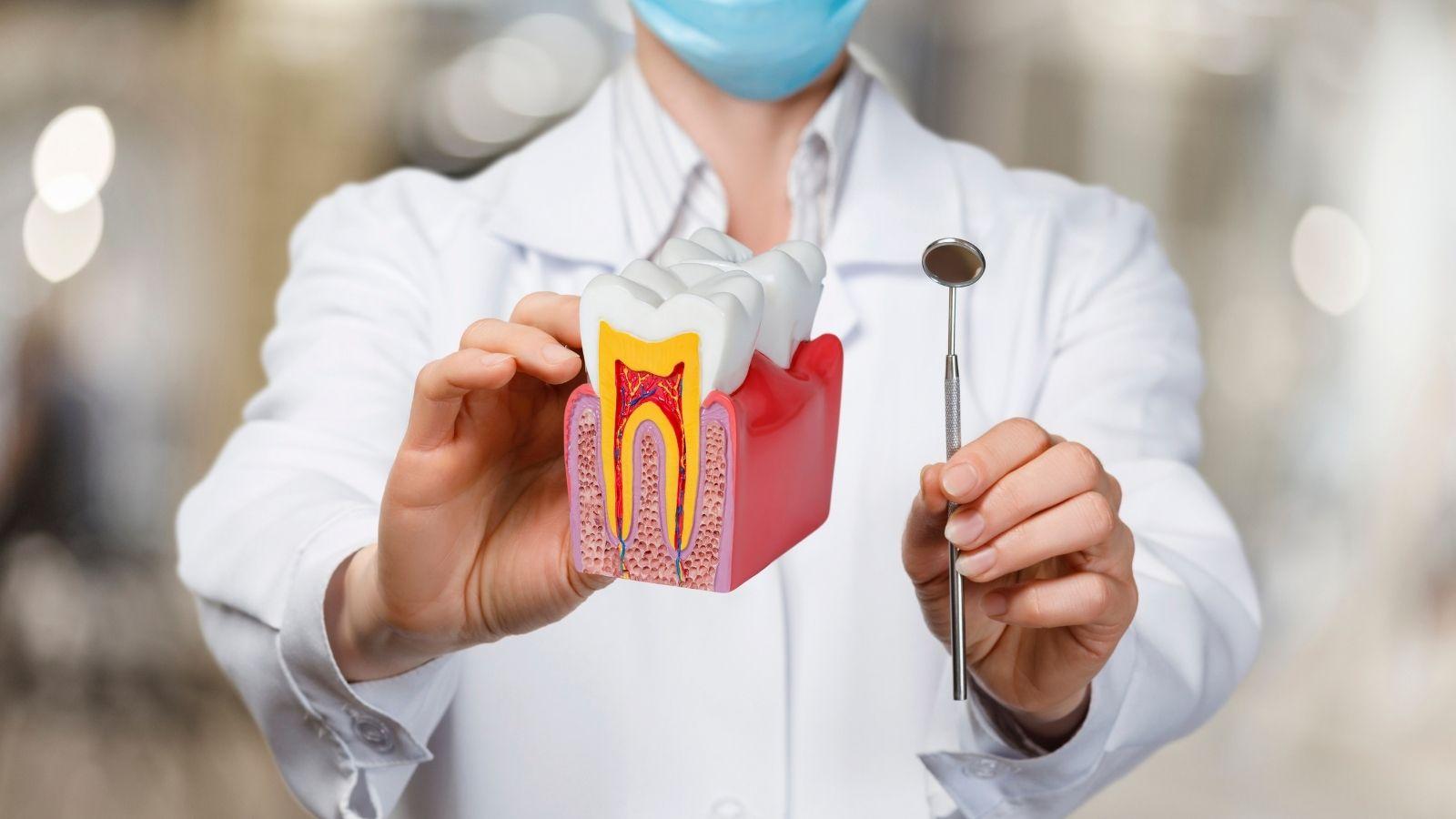
Root Canal Specialist Dubai for Root Canal Therapy
Root canal therapy is an important dental treatment used to manage infection and inflammation inside a tooth while helping preserve its natural structure. When bacteria reach the dental pulp, patients may experience persistent pain, sensitivity, swelling, or discomfort while chewing. Consulting a Root Canal Specialist Dubai can help determine whether root canal therapy is suitable for the affected tooth. A trusted dental clinic in dubai can provide a comprehensive examination, diagnostic imaging, and personalized treatment planning. With modern endodontic techniques and appropriate anesthesia, root canal therapy can help remove infection, restore dental function, and protect the natural tooth from further complications.
What Is Root Canal Therapy?
Root canal therapy is a procedure designed to treat infection or inflammation affecting the pulp inside a tooth.
The pulp contains nerves and blood vessels that can become damaged due to deep decay, cracks, or trauma.
During treatment, the affected tissue is removed and the internal canals are cleaned, disinfected, and sealed.
Why Is Root Canal Therapy Necessary?
When bacteria enter the pulp, an infection can develop inside the tooth.
Without appropriate treatment, the infection may spread toward the root and surrounding tissues.
Root canal therapy addresses the source of infection while allowing the natural tooth to remain in place when it is restorable.
Common Symptoms of Pulp Infection
Patients may experience different symptoms depending on the condition of the tooth.
Persistent toothache, prolonged sensitivity to hot or cold, pain while chewing, swelling, or tenderness can indicate a potential pulp problem.
Some infected teeth may produce few noticeable symptoms, which is why regular dental examinations remain important.
How a Root Canal Specialist Diagnoses the Problem
The specialist begins by reviewing the patient's symptoms and dental history.
Clinical tests can help assess how the tooth responds to temperature, pressure, and tapping.
Digital X-rays or advanced imaging may also be used to examine the root canals and surrounding structures.
Step One: Numbing the Tooth
The treatment begins with local anesthesia to numb the affected area.
This helps keep the patient comfortable during the procedure.
The dentist ensures that the treatment area is adequately anesthetized before accessing the inside of the tooth.
Step Two: Accessing the Pulp
The specialist creates a small opening in the tooth to reach the infected or inflamed pulp.
The damaged tissue is carefully removed from the internal chamber and root canals.
This step allows the specialist to begin cleaning the source of infection.
Step Three: Cleaning the Root Canals
The root canals are carefully cleaned and shaped using specialized instruments.
The goal is to remove infected tissue and reduce the presence of bacteria inside the canal system.
Thorough cleaning is an important part of successful endodontic treatment.
Step Four: Disinfecting the Canals
After cleaning, the canals are disinfected to help eliminate remaining bacteria.
The specialist uses appropriate techniques and solutions based on the specific condition of the tooth.
The internal canal system is then prepared for sealing.
Step Five: Sealing the Tooth
Once the canals have been cleaned and disinfected, they are filled and sealed.
This helps prevent bacteria from entering the treated canals again.
A temporary or permanent restoration may then be placed depending on the treatment plan.
Step Six: Restoring the Treated Tooth
A root canal-treated tooth may require additional protection.
Depending on the tooth's location and the amount of remaining structure, a dental crown may be recommended.
The restoration helps restore the tooth's shape, strength, and chewing function.
Is Root Canal Therapy Painful?
Many patients worry about discomfort during root canal treatment.
Modern anesthesia and dental techniques are designed to make the procedure comfortable.
Some temporary tenderness may occur after treatment, particularly if the tooth was significantly infected before the procedure.
How Long Does Root Canal Therapy Take?
Treatment time varies according to the type of tooth and complexity of the root canal system.
Some cases can be completed in one appointment, while more complicated situations may require multiple visits.
The specialist can provide a more accurate timeline after examining the tooth.
Root Canal Therapy for Molars
Molars often have multiple roots and canals.
This can make their treatment more complex than that of front teeth.
A specialist may use advanced imaging and magnification to identify and treat the canal system accurately.
Root Canal Therapy for Front Teeth
Front teeth often have simpler root anatomy.
However, they can still require root canal therapy due to decay, trauma, or other damage.
The final restoration can be designed to maintain a natural appearance.
Root Canal Retreatment
In some cases, a previously treated tooth may require additional endodontic care.
Retreatment involves evaluating the existing root canal and identifying potential causes of persistent infection or symptoms.
The specialist determines whether retreatment can provide a predictable outcome.
Benefits of Root Canal Therapy
One of the main benefits of root canal therapy is the opportunity to preserve the natural tooth.
Treatment can help eliminate infection, reduce discomfort, and restore normal chewing function.
Keeping the natural tooth may also help maintain the position of neighboring teeth.
Recovery After Treatment
Most patients can resume their usual activities after root canal therapy.
Mild sensitivity or tenderness may occur temporarily.
Following the dentist's aftercare instructions and completing the final restoration can support long-term treatment success.
How to Care for a Root Canal-Treated Tooth
Good oral hygiene remains important after treatment.
Patients should brush regularly, clean between teeth, and attend routine dental checkups.
Avoiding excessive pressure on a tooth that has not yet received its final restoration can also help protect it.
Choosing a Root Canal Specialist
When selecting a Root Canal Specialist Dubai, patients should consider professional experience, diagnostic capabilities, treatment technology, and the specialist's approach to personalized care.
A detailed consultation can help patients understand the condition of their tooth and the recommended treatment.
Choosing a Dental Clinic
A reputable dental clinic in dubai should provide appropriate diagnostic services and access to modern endodontic treatment.
Patients may also prefer clinics that offer restorative services to complete the treatment process after root canal therapy.
Root Canal Therapy Cost
The cost of treatment depends on the tooth involved, the complexity of the case, and the number of appointments required.
Additional procedures such as diagnostic imaging or a dental crown may affect the overall cost.
Patients should request a clear treatment estimate before starting the procedure.
Conclusion
Root canal therapy is a valuable treatment option for teeth affected by deep decay, infection, inflammation, or trauma. By removing infected pulp, cleaning the root canals, and sealing the tooth, the procedure can help preserve natural dental structure and restore normal function. Consulting a Root Canal Specialist Dubai allows patients to receive specialized evaluation and personalized endodontic care. A trusted dental clinic in dubai can provide the necessary diagnosis, treatment, and restorative support. With timely professional care and good oral hygiene, a treated tooth can continue to function effectively for many years.

 English
 Arabic
 French
 Spanish
 Portuguese
 Deutsch
 Turkish
 Dutch
Dutch
 Russian
 Romaian
 Portuguese (Brazil)
 Greek
Greek
