
What Are the Side Effects of Acne Medications?
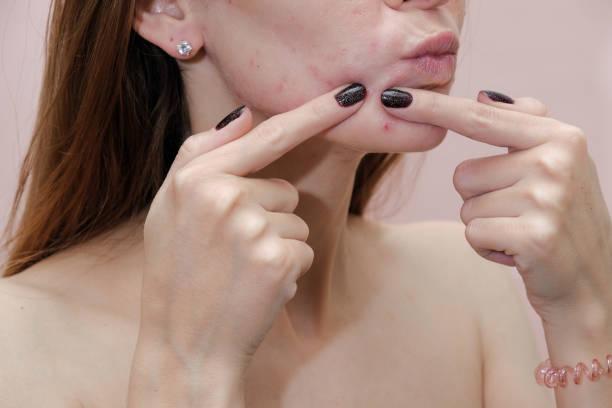
Acne is a common skin condition that affects people of all ages. While treatments can effectively control breakouts, reduce inflammation, and prevent scarring, they can also cause side effects if not used properly. Whether using over-the-counter solutions or prescription medications, it’s important to understand the potential side effects and how to manage them. Many individuals seeking Acne treatment in Riyadh (علاج حب الشباب في الرياض) benefit from professional guidance to minimize side effects while achieving clearer skin.
Knowing what to expect helps patients use acne medications safely and ensures the best possible outcomes.
Common Side Effects of Topical Acne Medications
Redness and Irritation
Topical treatments, such as benzoyl peroxide, salicylic acid, and retinoids, can sometimes cause redness, stinging, or burning sensations. These effects are often temporary and may decrease as the skin adjusts.
Dryness and Peeling
Ingredients like benzoyl peroxide and retinoids can make the skin dry or flaky. Moisturizing with non-comedogenic products can help manage dryness and prevent further irritation.
Sensitivity to Sunlight
Some acne medications, especially retinoids and chemical exfoliants, increase skin sensitivity to sunlight. Using sunscreen daily is essential to prevent sunburn and post-inflammatory pigmentation.
Allergic Reactions
In rare cases, some topical medications may cause allergic reactions, such as itching, swelling, or rash. Discontinuing the product and consulting a dermatologist is recommended if this occurs.
Side Effects of Oral Acne Medications
Antibiotics
Oral antibiotics can reduce acne by controlling bacteria and inflammation, but they may also cause:
-
Stomach upset or nausea
-
Diarrhea or digestive disturbances
-
Increased sensitivity to sunlight
-
Rare allergic reactions
Hormonal Medications
Oral contraceptives or anti-androgen medications can help regulate hormones and reduce acne flare-ups in females. Potential side effects include:
-
Nausea or mild bloating
-
Changes in menstrual cycles
-
Breast tenderness
-
Rare blood clot risks (for certain contraceptives)
Isotretinoin
Isotretinoin is a potent oral medication for severe acne. While highly effective, it requires close monitoring due to possible side effects:
-
Dry skin, lips, and eyes
-
Nosebleeds from dryness
-
Muscle or joint pain
-
Temporary increase in cholesterol or liver enzymes
-
Severe birth defects if taken during pregnancy (strict precautions are required)
How to Minimize Side Effects
Start Slowly
For topical medications, begin with lower concentrations and gradually increase usage to allow the skin to adjust.
Follow Dermatologist Instructions
Oral and prescription medications should only be used under professional guidance. Following the correct dosage and schedule minimizes risks.
Moisturize and Protect
Use gentle moisturizers and sunscreen to prevent dryness, irritation, and sun damage while on acne medications.
Monitor Your Skin
Pay attention to changes in skin condition or overall health. Report any concerning symptoms to a dermatologist promptly.
Combine Treatments Wisely
Sometimes combining medications or treatments can increase side effects. Professional advice ensures safe combinations for maximum effectiveness without undue risk.
Why Professional Guidance Matters
Managing acne effectively requires balancing treatment benefits with potential side effects. Clinics offering Acne treatment in Riyadh provide personalized plans that minimize side effects while delivering optimal results. Professional care ensures the right medication, concentration, and usage schedule for your skin type and acne severity.
Book Your Consultation
If you want to treat acne safely while minimizing side effects, Royal Clinic Saudia (عيادات رويال كلينك) offers professional solutions tailored to your skin. Our specialists provide guidance on both topical and oral medications, monitoring progress to ensure effective and safe treatment. Book your consultation today and start your journey toward clearer, healthier skin.
FAQs:
What are the side effects of acne medications?
Side effects can include dryness, redness, peeling, irritation, sun sensitivity, stomach upset, hormonal changes, and in rare cases, allergic reactions.
Are acne medication side effects permanent?
Most side effects are temporary and subside once the skin adjusts or the medication is discontinued under professional guidance.
Can side effects be minimized?
Yes, by starting slowly, moisturizing, using sunscreen, and following dermatologist instructions, most side effects can be managed effectively.
Should I stop medication if side effects occur?
Not always. Minor irritation can often be managed with adjustments, but severe or concerning side effects should be reported to a dermatologist immediately.

 English
 Arabic
 French
 Spanish
 Portuguese
 Deutsch
 Turkish
 Italiano
 Russian
 Romaian
 Portuguese (Brazil)
 Greek
Greek