
Why Proper Car Alignment Matters More Than Most Drivers Realize
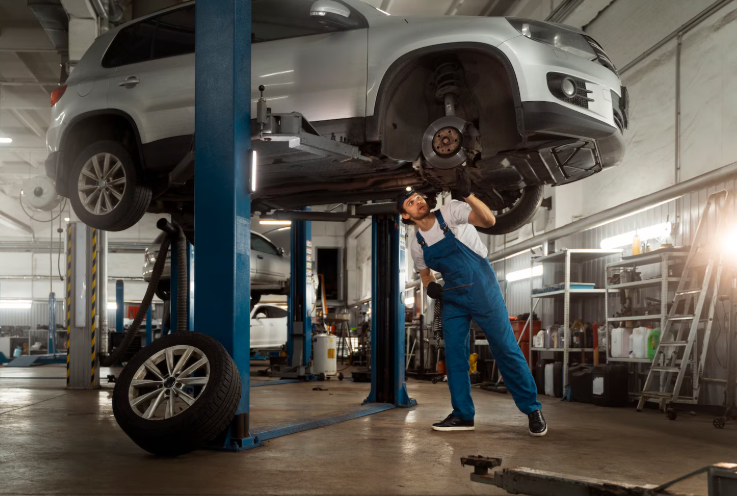
A car alignment is one of the most overlooked maintenance services, yet it has a direct impact on how your vehicle performs every day. Many drivers assume alignment only matters after replacing tires or suspension parts, but even normal driving can gradually throw the wheels out of specification. Hitting potholes, driving over curbs, or traveling on uneven roads can slowly affect alignment without producing obvious warning signs at first.
When your wheels are properly aligned, they point in the correct direction according to the manufacturer's specifications. This allows your tires to make even contact with the road surface. As a result, your vehicle handles predictably, steering feels stable, and your tires wear evenly over time. Small alignment changes may seem insignificant, but they can create noticeable differences in driving comfort and vehicle efficiency.
One of the earliest signs of an alignment problem is when the vehicle drifts to one side while driving on a straight road. You may also notice that the steering wheel is no longer centered even though the car is moving straight. These symptoms often develop gradually, making them easy to ignore until tire wear becomes severe. Paying attention to these changes can help prevent larger maintenance costs later.
Uneven tire wear is another common consequence of poor alignment. Tires are designed to wear evenly across the tread, but incorrect wheel angles place extra pressure on specific areas. This shortens tire life and may reduce traction during wet or slippery conditions. Replacing tires before their expected lifespan can become an unnecessary expense that could have been avoided with routine inspections.
Proper alignment also supports better fuel efficiency. When wheels are not aligned correctly, they create additional rolling resistance, forcing the engine to work harder to move the vehicle. While the fuel savings from a correctly aligned vehicle may seem modest, they can add up over months of regular driving, especially for commuters who spend significant time on the road.
Vehicle handling is closely connected to wheel alignment as well. Accurate steering response gives drivers greater confidence during lane changes, highway driving, and emergency maneuvers. A vehicle that responds consistently is easier to control and places less strain on steering and suspension components. Maintaining these systems together contributes to a smoother driving experience and helps reduce unnecessary mechanical wear.
Routine inspections are often the best way to identify alignment issues before they become expensive repairs. Mechanics typically recommend checking alignment after suspension work, installing new tires, or whenever unusual steering behavior appears. Even without obvious symptoms, periodic inspections provide peace of mind and help ensure the vehicle continues operating as intended.
Good driving habits also play a role in maintaining car alignment. Slowing down for potholes, avoiding hard impacts with curbs, maintaining proper tire pressure, and scheduling regular inspections can help preserve wheel positioning for longer periods. While alignment may not receive as much attention as oil changes or brake service, it remains an important part of keeping a vehicle safe, comfortable, and efficient throughout its lifespan.

 English
 Arabic
 French
 Spanish
 Deutsch
 Turkish
 Dutch
Dutch
 Italiano
 Russian
 Romaian
 Portuguese (Brazil)
 Greek
Greek
