
Understanding NSTEMI ICD 10 Coding and Its Importance in Healthcare Documentation
Accurate medical coding plays an essential role in healthcare because it helps providers maintain proper patient records, supports insurance claims, and ensures that medical conditions are clearly documented. One important area of cardiovascular coding involves the classification of heart attacks and related conditions. Among these, NSTEMI ICD 10 coding is frequently used by healthcare professionals to identify and document a specific type of myocardial infarction known as a non-ST elevation myocardial infarction.
NSTEMI is a serious cardiac event that occurs when blood flow to the heart muscle becomes reduced, causing damage to the heart tissue. Unlike some other types of heart attacks, NSTEMI does not typically show ST-segment elevation on an electrocardiogram (ECG), but it still requires immediate medical attention and proper documentation. Understanding the correct use of NSTEMI ICD 10 codes helps healthcare organizations maintain accuracy in diagnosis reporting and billing procedures.
What Is NSTEMI?
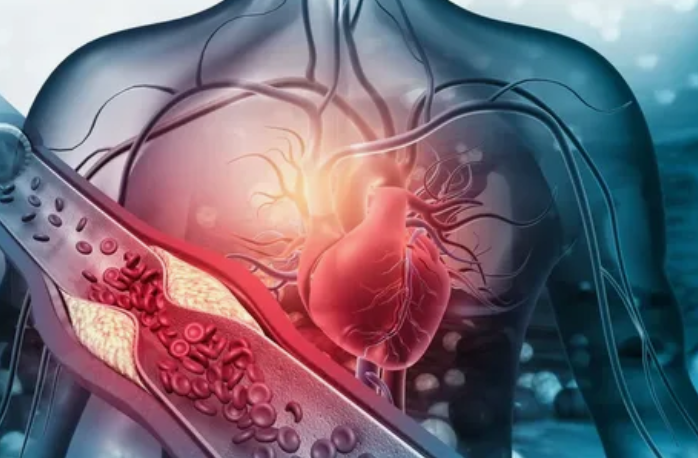
NSTEMI stands for Non-ST Elevation Myocardial Infarction. It is a type of acute coronary syndrome caused by a partial blockage or reduced blood supply to the coronary arteries. When the heart does not receive enough oxygen-rich blood, heart muscle cells can become injured or begin to die.
Patients experiencing NSTEMI may have symptoms such as chest discomfort, shortness of breath, sweating, nausea, fatigue, or pain that spreads to the arms, neck, jaw, or back. In some cases, symptoms may be mild or unusual, especially among older adults or people with other medical conditions.
Healthcare providers diagnose NSTEMI through a combination of patient symptoms, blood tests, and diagnostic procedures. Elevated cardiac enzymes, especially troponin levels, often indicate damage to heart muscle. ECG results help distinguish NSTEMI from other types of myocardial infarction.
Importance of Accurate NSTEMI ICD 10 Coding
Medical coding translates clinical diagnoses into standardized codes that are used across healthcare systems. The NSTEMI ICD 10 classification allows medical professionals, insurance companies, and healthcare organizations to communicate information consistently.
Accurate coding is important for several reasons:
First, it ensures that the patient’s medical record correctly reflects the severity and type of heart condition. A properly assigned code helps future healthcare providers understand the patient’s history and make informed treatment decisions.
Second, correct coding supports appropriate reimbursement. Insurance companies use diagnosis codes to determine whether medical services, procedures, and treatments are covered. Incorrect coding can result in claim delays, denials, or inaccurate payment.
Third, coding data helps healthcare organizations analyze disease patterns, improve patient care strategies, and plan resources effectively.
Understanding ICD 10 Coding for NSTEMI
The ICD 10 system provides specific categories for myocardial infarction conditions. NSTEMI coding falls under acute myocardial infarction classifications, where healthcare professionals identify the type, timing, and details of the cardiac event.
When assigning an NSTEMI ICD 10 code, medical coders must carefully review physician documentation. The code selection depends on factors such as whether the myocardial infarction is initial, subsequent, or related to another cardiac condition.
Coders must not rely only on symptoms or test results. Instead, they use the official diagnosis documented by the healthcare provider. Clear physician notes help prevent coding errors and ensure that the medical record accurately represents the patient’s condition.
Role of Medical Documentation in NSTEMI Coding
Proper documentation is one of the most important parts of accurate medical coding. Physicians should clearly state the diagnosis, type of myocardial infarction, and any related conditions affecting the patient.
For example, documentation should distinguish NSTEMI from other cardiac events, such as unstable angina or STEMI. Although these conditions may share similar symptoms, they have different clinical meanings and coding requirements.
Detailed documentation may include information about coronary artery disease, complications, procedures performed, and the patient’s response to treatment. The more complete the medical record, the easier it becomes for coders to select the correct diagnosis code.
Common Challenges in NSTEMI Coding
NSTEMI coding can sometimes be challenging because medical terminology and clinical documentation must align correctly. One common issue is incomplete provider documentation. If the diagnosis is not clearly written, coders may need clarification before assigning the appropriate code.
Another challenge is distinguishing NSTEMI from other types of myocardial injury. Elevated troponin levels alone do not always indicate a traditional heart attack. Medical professionals must consider the complete clinical picture, including symptoms, test results, and physician assessment.
Coding professionals must also stay updated with ICD 10 guidelines because coding standards may change over time. Regular training helps ensure that healthcare organizations maintain compliance and accuracy.
Benefits of Professional Medical Coding Services
Many healthcare facilities rely on experienced medical coders to handle complex diagnoses like NSTEMI. Professional coders understand medical terminology, coding guidelines, and documentation requirements.
Accurate NSTEMI ICD 10 coding performed by skilled professionals helps reduce billing problems and improves healthcare data quality. It also allows providers to focus more on patient care while ensuring that administrative processes run smoothly.
Medical coding specialists carefully review patient charts, identify documented diagnoses, and assign the correct codes according to established guidelines. Their expertise is valuable in hospitals, clinics, and medical billing organizations.
Impact of Accurate Coding on Patient Care
Although medical coding is often viewed as an administrative task, it has a direct impact on patient care. Accurate diagnosis coding helps create complete medical histories, which can influence future treatment decisions.
When a patient has experienced NSTEMI, having the correct diagnosis recorded allows healthcare providers to recognize cardiovascular risks and develop appropriate follow-up plans. It also supports communication between different healthcare professionals involved in the patient’s care.
Reliable coding information contributes to better healthcare research, improved quality programs, and more effective management of heart disease.
Conclusion
NSTEMI is a significant cardiovascular condition that requires timely treatment and accurate medical documentation. Proper NSTEMI ICD 10 coding helps healthcare providers record diagnoses correctly, supports insurance processes, and improves overall healthcare communication.
As medical coding continues to play a vital role in modern healthcare, understanding the importance of accurate diagnosis classification becomes increasingly important. Clear documentation, trained coding professionals, and updated knowledge of coding guidelines all contribute to better outcomes for healthcare organizations and patients. By maintaining accuracy in NSTEMI coding, the healthcare industry can continue improving efficiency, compliance, and quality of care.

 English
 French
 Spanish
 Portuguese
 Deutsch
 Turkish
 Dutch
Dutch
 Italiano
 Russian
 Romaian
 Portuguese (Brazil)
 Greek
Greek
