
How to Choose the Right Lighting Parts: Types, Features, and Installation Tips
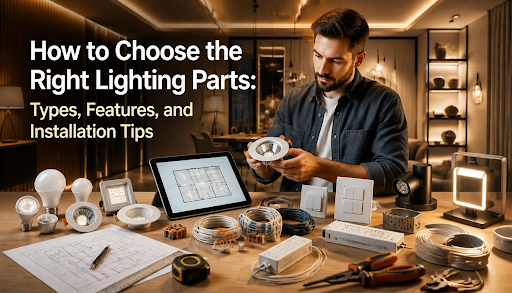
Choosing the right lighting parts depends on your lighting purpose, fixture type, electrical requirements, and installation environment. The best components should match your project’s brightness needs, energy efficiency goals, safety standards, and long-term maintenance expectations.
Introduction: Why Choosing the Right Lighting Parts Matters
Lighting is more than just adding brightness to a room. The quality, performance, and lifespan of a lighting system often depend on the individual components used during installation. From LED modules and drivers to connectors, sockets, and mounting accessories, every part plays a role.Selecting the right lighting parts can help prevent common problems such as flickering lights, overheating, frequent replacements, and unnecessary energy costs.Whether you are upgrading a home lighting system, managing a commercial project, or installing industrial fixtures, understanding different lighting components makes the entire process easier and more reliable.
What Are Lighting Parts and Why Are They Important?
Lighting parts are the individual components used to build, repair, or improve a lighting system. These parts work together to control power, produce light, provide support, and ensure safe operation.
Common lighting parts include:
-
LED chips and modules
-
LED drivers
-
Light sockets and holders
-
Connectors and terminals
-
Switches and controls
-
Heat sinks
-
Mounting brackets
-
Power supplies
A high-quality lighting system depends on choosing components that are compatible with each other.
How Do You Choose the Right Lighting Parts?
The right choice depends on several factors, including the type of lighting project, environment, and performance expectations.
1. Identify Your Lighting Application
Start by understanding where and how the lighting will be used.
Different applications require different components:
Residential Lighting
For homes, common lighting parts include:
-
LED bulbs
-
Ceiling fixture components
-
Dimmer switches
-
Decorative lighting accessories
Home lighting usually focuses on comfort, appearance, and energy savings.
Commercial Lighting
Offices, stores, and commercial spaces often require:
-
High-quality LED drivers
-
Reliable connectors
-
Motion sensors
-
Smart lighting controls
These components help reduce maintenance costs in spaces where lights operate for long hours.
Industrial Lighting
Factories and warehouses need durable lighting parts designed for demanding conditions.
Important features include:
-
Heat resistance
-
Dust protection
-
Strong construction materials
-
Long operating life
What Types of Lighting Parts Are Commonly Used?
LED Modules
LED modules contain multiple LED chips mounted on a circuit board. They are commonly used in signs, panels, cabinet lighting, and custom fixtures.
Benefits include:
-
Compact design
-
High efficiency
-
Flexible installation options
LED Drivers
An LED driver regulates electrical power supplied to LED lights.
It is one of the most important lighting components because LEDs require controlled current to operate properly.
A quality LED driver helps:
-
Prevent voltage fluctuations
-
Improve LED lifespan
-
Reduce flickering
-
Maintain consistent brightness
For example, using an incompatible driver with an LED fixture can shorten the light’s lifespan or cause performance issues.
Light Sockets and Holders
Sockets provide the connection between a light source and the electrical supply.
Common types include:
-
Screw sockets
-
Pin sockets
-
Specialty LED holders
When replacing sockets, always check compatibility with the bulb type and voltage rating.
Connectors and Wiring Accessories
Connectors make installation easier by joining different lighting components safely.
Common examples include:
-
LED strip connectors
-
Terminal blocks
-
Wire connectors
-
Extension cables
Good-quality connectors improve reliability and reduce installation problems.
Which Features Should You Look For in Lighting Parts?
Energy Efficiency
Modern lighting components should support energy-saving technologies such as LEDs and smart controls.
Energy-efficient parts can lower electricity usage while maintaining good lighting performance.
Durability
Look for materials that can handle your installation environment.
Important durability factors include:
-
Heat resistance
-
Moisture protection
-
Strong materials
-
Quality certifications
Compatibility
Before buying any lighting component, confirm:
-
Voltage requirements
-
Wattage capacity
-
Fixture compatibility
-
Connection type
Many lighting problems happen because components are not properly matched.
Safety Standards
Reliable lighting parts should meet recognized safety requirements. Certified components are generally designed with better protection against electrical issues.
How Do You Install Lighting Parts Correctly?
Proper installation improves safety and performance.
Follow These Practical Installation Tips:
Turn Off Power Before Installation
Always disconnect electricity before working with lighting components.
Check Specifications Carefully
Review:
-
Voltage
-
Wattage
-
Current rating
-
Connector type
Avoid Overloading Circuits
Adding too many lights to one circuit can create safety risks and reduce system performance.
Manage Heat Properly
LED components produce less heat than traditional bulbs but still require proper ventilation.
Heat sinks and airflow are especially important for high-power LED systems.
Test Before Final Installation
Before permanently mounting components:
-
Check connections
-
Test brightness
-
Look for flickering
-
Confirm proper operation
This saves time and avoids removing installed parts later.
How Can You Maintain Lighting Components for Longer Life?
Regular maintenance can improve performance and reduce replacement costs.
Helpful maintenance practices include:
-
Cleaning dust from fixtures
-
Checking loose connections
-
Replacing damaged wiring
-
Inspecting drivers and power supplies
-
Monitoring unusual flickering or heat
A small issue caught early can prevent a complete lighting failure.
Common Mistakes When Buying Lighting Parts
Many people focus only on price and overlook quality.
Avoid these mistakes:
-
Choosing the cheapest component without checking specifications
-
Mixing incompatible LED drivers and fixtures
-
Ignoring environmental conditions
-
Buying parts without proper ratings
-
Installing components without safety precautions
A slightly higher-quality component often provides better value over time.
Conclusion: Choose Lighting Parts Based on Performance, Not Just Price
The right lighting parts can make the difference between a reliable lighting system and one that constantly needs repairs. Understanding component types, checking compatibility, and following proper installation practices will help you create safer and more efficient lighting solutions.Whether you are working on a small home project or a large commercial installation, selecting quality lighting components is an investment in better performance, lower maintenance, and longer service life.
Frequently Asked Questions (FAQs)
What are the most important lighting parts?
The most important lighting parts include LED modules, drivers, connectors, sockets, power supplies, and control systems because they directly affect performance and safety.
How do I choose an LED driver?
Choose an LED driver based on the LED light’s voltage, wattage, current requirements, and dimming needs.
Can I mix different lighting parts together?
Only compatible components should be combined. Mixing parts with different voltage or power requirements can cause damage or poor performance.
Are expensive lighting parts better?
Not always, but higher-quality components often provide better reliability, safety features, and longer service life.
Why do LED lights flicker after installation?
LED flickering is often caused by an incompatible driver, poor connections, voltage problems, or low-quality components.
How often should lighting parts be replaced?
Replacement depends on usage and quality. High-quality LED components can last many years with proper installation and maintenance.

 English
 Arabic
 French
 Spanish
 Portuguese
 Deutsch
 Dutch
Dutch
 Italiano
 Russian
 Romaian
 Portuguese (Brazil)
 Greek
Greek
