
How Dermatologists Diagnose Skin Conditions You’ve Never Heard Of
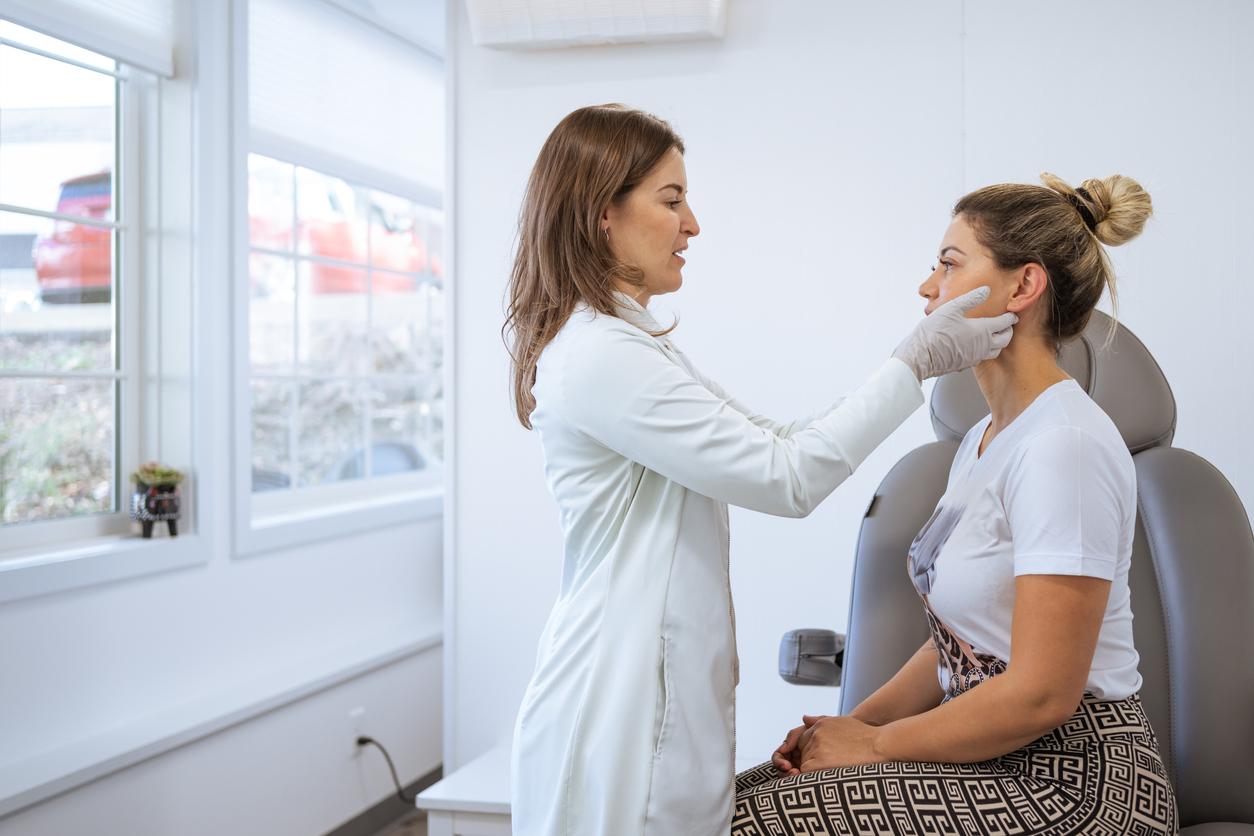
Skin problems are not always limited to acne, eczema, or psoriasis. In fact, there are hundreds of lesser-known skin conditions that can appear with confusing symptoms, subtle discoloration, or unusual textures. Visiting a Dermatologist in Riyadh can be the key to identifying these rare or unfamiliar disorders before they worsen or cause complications. Dermatologists undergo years of specialized training to recognize patterns, evaluate symptoms, and use advanced diagnostic tools to determine exactly what is happening beneath the surface of your skin. Understanding how they diagnose conditions you may have never heard of can help you appreciate the depth of expertise involved in a simple clinic visit.
Why Some Skin Conditions Are Hard to Recognize:
Many rare skin conditions mimic more common issues, which makes accurate diagnosis challenging without professional evaluation, as symptoms like redness, itching, scaling, or pigmentation changes can overlap across dozens of disorders. Some conditions develop gradually, while others appear suddenly due to immune responses, infections, genetic factors, or environmental triggers, making it difficult for patients to pinpoint a cause. Additionally, skin types, climate exposure, and underlying health conditions can alter how a disorder presents visually, requiring dermatologists to look beyond surface-level symptoms and analyze subtle clinical clues that the untrained eye might miss.
-
Similar symptoms across different conditions
-
Gradual or unpredictable onset
-
Influence of climate and sun exposure
-
Underlying immune or systemic factors
-
Variations based on skin tone
The Initial Consultation and Medical History Review:
Diagnosis begins long before any equipment is used, as dermatologists rely heavily on detailed patient interviews to gather essential information about lifestyle, medical history, medications, and symptom progression. During the consultation, patients may be asked about recent travel, stress levels, new skincare products, dietary changes, allergies, and family history of skin or autoimmune diseases, since even small details can offer major diagnostic clues. This comprehensive discussion helps narrow down possibilities and allows the dermatologist to form an initial list of suspected conditions before conducting a physical examination.
Visual Examination and Pattern Recognition:
One of the most powerful tools dermatologists use is visual expertise developed through years of clinical experience, enabling them to recognize patterns in color, shape, distribution, and texture that indicate specific disorders. Certain rare conditions have hallmark signs, such as symmetrical rashes, ring-shaped lesions, clustered blisters, or net-like pigmentation, which can immediately point toward a diagnosis when examined under proper lighting. Dermatologists carefully inspect not just the affected area but also surrounding skin, scalp, nails, and mucous membranes to determine whether the condition is localized or part of a broader systemic issue.
-
Assessment of lesion shape and border
-
Evaluation of color variations
-
Observation of distribution patterns
-
Examination of nails and scalp
-
Comparison with unaffected skin areas
The Role of Dermoscopy in Detecting Rare Conditions:
Dermoscopy is a non-invasive diagnostic technique that uses a handheld device with magnification and polarized light to examine skin structures not visible to the naked eye, allowing dermatologists to distinguish between benign and suspicious lesions with greater accuracy. This tool is especially helpful when evaluating pigmented disorders, unusual growths, vascular patterns, and inflammatory conditions that may otherwise appear similar. By analyzing microstructures such as pigment networks and blood vessel arrangements, dermatologists can often diagnose uncommon conditions without immediately resorting to invasive testing.
Skin Biopsies and Laboratory Testing:
When a visual examination and dermoscopy are not sufficient for a definitive diagnosis, a skin biopsy may be performed to analyze tissue under a microscope, providing precise information about cellular structure and inflammation patterns. This minor in-clinic procedure involves numbing the area and removing a small sample of skin, which is then sent to a pathology laboratory for evaluation. Laboratory tests may also include blood work, allergy testing, fungal cultures, or bacterial swabs, depending on suspected causes, as some rare skin conditions are linked to systemic diseases or infections that require broader investigation.
-
Punch biopsy for deeper tissue samples
-
Shave biopsy for surface lesions
-
Excisional biopsy for complete removal
-
Blood tests for autoimmune markers
-
Microbial cultures for infections
Identifying Autoimmune and Genetic Skin Disorders:
Some of the most unfamiliar skin conditions stem from autoimmune reactions or inherited genetic mutations, which can present with blistering, thickening, abnormal pigmentation, or chronic inflammation. Dermatologists assess these possibilities by combining clinical appearance with laboratory findings and, in some cases, genetic testing to confirm rare diagnoses. Because autoimmune-related skin diseases may be connected to internal organ involvement, dermatologists sometimes collaborate with rheumatologists or other specialists to ensure comprehensive care and accurate management of complex cases.
The Importance of Differential Diagnosis:
Differential diagnosis is a systematic method dermatologists use to compare multiple possible conditions that share similar symptoms before confirming the most accurate one, reducing the risk of misdiagnosis and inappropriate treatment. For example, a rash that appears fungal could actually be an autoimmune disorder, allergic reaction, or drug-related eruption, which is why dermatologists carefully eliminate alternatives through testing and observation. A skilled Dermatologist in Riyadh understands how environmental factors such as intense sun exposure, dry climate, and regional allergens may influence symptom presentation, further refining the diagnostic process.
-
Comparing symptom progression timelines
-
Ruling out medication side effects
-
Evaluating response to preliminary treatments
-
Considering environmental triggers
-
Monitoring changes over follow-up visits
Advanced Imaging and Emerging Diagnostic Technologies:
Modern dermatology increasingly incorporates advanced imaging systems and artificial intelligence tools that assist in analyzing complex lesions, mapping mole patterns, and detecting subtle changes over time. Digital skin mapping allows dermatologists to photograph and track suspicious areas, making it easier to identify early-stage abnormalities that may otherwise go unnoticed. In specialized cases, confocal microscopy or molecular diagnostic tests may be used to evaluate rare tumors or inflammatory disorders at a near-cellular level, enhancing diagnostic precision and improving patient outcomes.
Personalized Treatment Planning After Diagnosis:
Once a rare or unfamiliar skin condition is identified, dermatologists develop individualized treatment strategies tailored to the patient’s specific diagnosis, severity, skin type, and lifestyle factors. Treatment may involve topical medications, oral therapies, phototherapy, lifestyle modifications, or advanced procedures, depending on the nature of the condition. Patients working with a qualified Dermatologist in Riyadh benefit from treatment plans designed to address both the root cause and visible symptoms, ensuring not only symptom relief but also long-term skin stability and prevention of recurrence.
Final Thoughts:
Dermatologists are trained to recognize and diagnose far more than common skin concerns, using a combination of medical history, pattern recognition, dermoscopy, biopsies, laboratory testing, and advanced imaging to uncover conditions most people have never heard of. What may appear to be a minor or confusing rash could represent a complex autoimmune disorder, genetic condition, or rare inflammatory disease requiring specialized care. Seeking timely evaluation ensures accurate diagnosis, effective treatment, and peace of mind, empowering you to protect your skin health with confidence and clarity.

 English
 Arabic
 Spanish
 Portuguese
 Deutsch
 Turkish
 Dutch
Dutch
 Italiano
 Russian
 Romaian
 Portuguese (Brazil)
 Greek
Greek