Supporting a loved one with dementia requires a balanced approach that addresses both emotional and physical needs while promoting comfort and dignity. Many families choose Dementia Care At Home In Dubai because it allows individuals to receive personalized assistance while staying in a familiar and reassuring environment. With professional Doctor at Home services and dedicated caregivers, seniors can access medical support without the challenges of frequent hospital visits. A compassionate home care approach focuses on maintaining independence, improving daily comfort, and creating a supportive atmosphere that enhances overall quality of life for individuals living with dementia.
Understanding the Emotional Needs of Individuals with Dementia:
Dementia affects more than memory and cognitive abilities; it can also influence emotions, confidence, and social connections. Individuals may experience frustration, anxiety, confusion, or feelings of isolation as they encounter changes in their abilities. Providing emotional support requires patience, empathy, and understanding from caregivers and family members. Creating a calm environment, offering reassurance, and maintaining meaningful interactions help individuals feel valued and respected. Emotional care is an essential part of dementia support because it strengthens trust and promotes a greater sense of security.
Creating a Safe and Comfortable Home Environment:
A supportive home environment plays an important role in protecting physical well-being while reducing stress. Dementia can affect judgment, balance, and awareness of surroundings, increasing the risk of falls and accidents. Caregivers should make thoughtful changes that improve safety while preserving familiarity. Important steps include:
- Removing loose rugs, clutter, and obstacles from walking areas.
- Installing grab bars in bathrooms and near stairways.
- Improving lighting in bedrooms, hallways, and entrances.
- Keeping essential items in easily accessible locations.
- Securing medications and household chemicals.
- Using safety alarms when wandering is a concern.
Supporting Physical Health Through Daily Care:
Maintaining physical health is essential for improving comfort and preventing additional health complications. Personalized dementia care includes assistance with daily activities while encouraging individuals to remain involved whenever possible. Caregivers can support physical well-being by helping with personal hygiene, medication routines, nutrition, mobility, and exercise. Regular monitoring of physical changes allows caregivers to identify concerns early and seek appropriate medical support when needed, ensuring that care remains responsive to changing health requirements.
Encouraging Healthy Nutrition and Hydration:
Proper nutrition and hydration contribute significantly to physical strength, energy, and overall wellness. Individuals with dementia may sometimes forget to eat or drink enough fluids, making caregiver support especially important. A balanced approach to nutrition includes:
- Preparing meals with fruits, vegetables, proteins, and whole grains.
- Offering smaller meals throughout the day if needed.
- Encouraging regular water intake.
- Creating a calm environment during mealtimes.
- Monitoring changes in appetite or eating habits.
- Providing assistance with eating when required.
Promoting Mental Stimulation and Engagement:
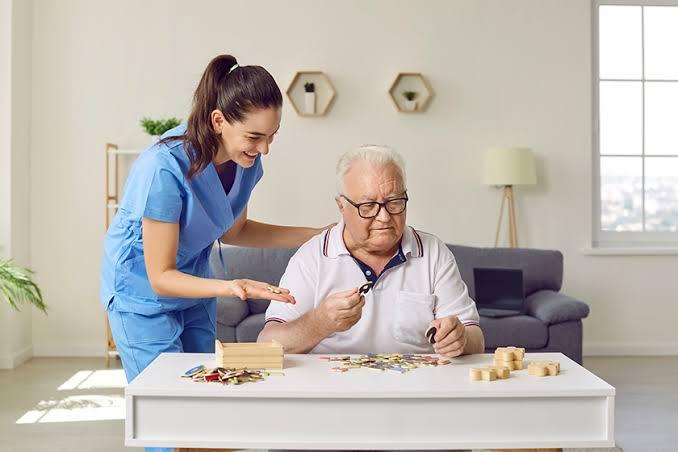
Keeping individuals mentally engaged supports emotional health and provides opportunities for meaningful experiences. While dementia affects memory and thinking abilities, enjoyable activities can still improve mood and encourage connection. Caregivers can introduce activities based on personal interests, abilities, and past hobbies. Examples include listening to music, reading, gardening, looking through photographs, completing simple puzzles, or participating in creative activities. These experiences provide a sense of purpose and help individuals remain connected to familiar interests.
Building Strong Communication and Relationships:
Communication is a key part of providing compassionate dementia care. As dementia progresses, individuals may struggle to express their thoughts or understand complex conversations. Caregivers can improve communication by speaking clearly, using simple words, maintaining eye contact, and allowing extra time for responses. Avoiding criticism and offering reassurance during moments of confusion creates a positive interaction. Strong communication builds trust and helps individuals feel emotionally supported throughout their daily routines.
Maintaining Independence and Personal Dignity:
Preserving independence is an important goal of dementia care at home. Although individuals may need assistance with certain activities, allowing them to participate in daily tasks helps maintain confidence and self-worth. Caregivers should provide support without removing opportunities for independence. Simple activities such as choosing clothing, preparing simple meals, organizing personal belongings, or participating in household tasks can encourage involvement and provide a sense of achievement while ensuring safety.
The Importance of Professional Healthcare Support:
Professional healthcare services provide valuable assistance for managing the complex needs associated with dementia. Skilled caregivers and healthcare professionals can monitor health conditions, assist with medications, provide personal care, and adjust support plans as dementia progresses. Doctor at Home services allow physicians to conduct medical evaluations and provide follow-up care within the comfort of the patient's residence. This approach helps reduce travel-related stress while ensuring individuals receive timely and personalized medical attention.
Supporting Family Caregivers and Reducing Stress:
Family caregivers often provide significant emotional and physical support for their loved ones, but caregiving responsibilities can become challenging over time. Receiving professional assistance helps families manage responsibilities while maintaining their own well-being. Caregivers can benefit from:
- Taking regular breaks from caregiving duties.
- Sharing responsibilities among family members.
- Learning more about dementia care strategies.
- Joining caregiver support communities.
- Maintaining personal health and wellness routines.
- Seeking professional help when additional support is needed.
Final Thoughts:
Dementia care at home provides a compassionate solution that supports both emotional and physical well-being while allowing individuals to remain in a familiar environment. Through personalized care, safe surroundings, healthy routines, meaningful activities, and professional healthcare support, individuals living with dementia can experience greater comfort, dignity, and quality of life. A successful home care approach focuses on understanding individual needs, encouraging independence, and creating a supportive relationship between caregivers, families, and healthcare professionals. With thoughtful planning and ongoing support, dementia care at home can help individuals live more comfortably while providing families with greater confidence and peace of mind.


 English
 Arabic
 French
 Spanish
 Portuguese
 Deutsch
 Turkish
 Dutch
Dutch
 Italiano
 Romaian
 Portuguese (Brazil)
 Greek
Greek
