Muscle injuries, strains, and fatigue can significantly affect mobility, physical performance, and daily activities. Whether caused by sports, exercise, work-related strain, or overuse, proper recovery is essential to restore strength and prevent future problems. Many individuals choose Physiotherapy At Home Dubai to receive personalized rehabilitation without the need to travel to clinics, making recovery more convenient and consistent. With the support of Doctor at Home, patients can access professional care that focuses on reducing discomfort, improving muscle function, and accelerating the healing process through effective physiotherapy techniques.
Understanding Muscle Recovery and Rehabilitation:
Muscle recovery is a gradual process that involves repairing damaged tissues, restoring flexibility, and rebuilding strength. After an injury or intense physical activity, muscles may experience inflammation, stiffness, weakness, or reduced range of motion. Without proper rehabilitation, these issues can continue and increase the risk of recurring injuries. Physiotherapy provides structured treatment methods that encourage safe healing while helping individuals regain normal movement and physical performance.
The Role of Physiotherapy in Muscle Recovery:
Physiotherapy plays an important role in speeding up recovery by addressing the causes of muscle weakness, pain, and restricted movement. A physiotherapist evaluates the affected muscles, identifies limitations, and creates a customized treatment plan based on the individual's condition and recovery goals. This personalized approach ensures that rehabilitation progresses safely while improving strength, flexibility, and overall muscle function.
Manual Therapy for Muscle Relaxation:
Manual therapy is one of the most commonly used physiotherapy techniques for improving muscle recovery. It involves hands-on techniques that help reduce muscle tension, improve circulation, and restore normal movement patterns. By targeting stiff or tight areas, manual therapy supports tissue healing and prepares muscles for active rehabilitation exercises.
Benefits of manual therapy include:
- Reduced muscle tightness
- Improved blood circulation
- Increased flexibility
- Better joint mobility
- Reduced discomfort
- Enhanced muscle relaxation
- Improved movement quality
- Faster recovery support
Therapeutic Exercises for Strength Restoration:
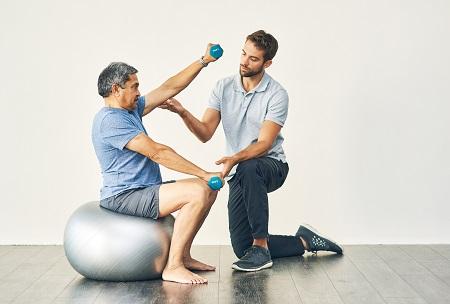
Therapeutic exercises are a key component of muscle rehabilitation. After an injury, muscles often lose strength due to reduced activity and protective movement patterns. Physiotherapists design progressive exercise programs that gradually rebuild muscle strength while avoiding excessive strain. These exercises improve endurance, stability, and coordination, allowing individuals to return safely to their normal activities.
Common therapeutic exercises include:
- Strengthening exercises
- Resistance training
- Stretching exercises
- Balance exercises
- Mobility exercises
- Functional movement training
- Core strengthening activities
- Sport-specific exercises
Stretching Techniques for Improved Flexibility:
Muscle stiffness can limit movement and slow down recovery. Physiotherapy uses controlled stretching techniques to improve flexibility and restore normal muscle length. Regular stretching reduces tension, improves joint movement, and helps prevent stiffness from developing after injuries. Proper stretching also prepares muscles for physical activity and reduces the likelihood of future strains.
Strengthening Weak Muscles After Injury:
Muscle weakness is common after injuries because reduced movement can cause muscles to lose strength and endurance. Physiotherapy focuses on rebuilding muscle capacity through gradual strengthening programs. These exercises are carefully adjusted according to the patient's progress, ensuring that muscles become stronger without being overloaded during recovery.
Benefits of strengthening programs include:
- Improved muscle stability
- Increased endurance
- Better physical performance
- Enhanced balance
- Improved coordination
- Reduced risk of reinjury
- Greater confidence in movement
- Improved daily function
Electrical Stimulation Therapy:
Electrical stimulation is a physiotherapy technique that uses controlled electrical impulses to activate muscles and support recovery. It may be used for individuals experiencing muscle weakness, reduced muscle activation, or difficulty performing certain movements after an injury. This technique can help maintain muscle activity while supporting the rehabilitation process.
Heat and Cold Therapy for Recovery:
Heat and cold treatments are commonly used in physiotherapy to manage muscle-related problems. Cold therapy may help reduce swelling and discomfort during the early stages of injury, while heat therapy can improve circulation and relax tight muscles during later recovery stages. Physiotherapists determine the most appropriate approach depending on the injury type and healing phase.
Massage Therapy for Muscle Recovery:
Therapeutic massage techniques help improve blood flow, reduce muscle tension, and support relaxation during recovery. Massage can be especially beneficial for individuals experiencing muscle soreness after exercise or physical activity. When combined with exercise-based rehabilitation, massage therapy contributes to improved flexibility and overall muscle health.
Movement Training for Better Function:
Recovering from a muscle injury involves more than reducing pain; it requires restoring proper movement patterns. Physiotherapists use functional movement training to help patients safely perform activities such as walking, lifting, bending, and exercising. This approach ensures that recovered muscles can handle real-life demands while reducing the risk of future injuries.
Physiotherapy for Different Types of Muscle Injuries:
Physiotherapy can support recovery from various muscle-related conditions by improving strength, mobility, and function. Treatment plans are adjusted according to the severity and location of the injury.
Common muscle problems treated through physiotherapy include:
- Muscle strains
- Sports-related injuries
- Overuse injuries
- Muscle stiffness
- Post-surgical weakness
- Exercise-related soreness
- Ligament-related muscle imbalance
- Repetitive strain injuries
- Work-related muscle discomfort
Benefits of Home-Based Physiotherapy for Recovery:
Home-based physiotherapy allows patients to recover in a comfortable environment while receiving expert guidance. This approach is especially helpful for individuals with limited mobility, busy schedules, or difficulty traveling after an injury. Physiotherapists can create treatment plans that fit naturally into daily routines, improving consistency and encouraging better recovery outcomes.
Preventing Future Muscle Injuries:
A major goal of physiotherapy is preventing injuries from happening again. After recovery, physiotherapists educate patients about proper exercise techniques, posture, warm-up routines, and strengthening strategies. Building healthy movement habits protects muscles from excessive stress and supports long-term physical performance.
Preventive strategies include:
- Warming up before physical activity
- Maintaining regular strength training
- Improving flexibility
- Using proper exercise techniques
- Avoiding sudden increases in activity
- Taking adequate rest periods
- Maintaining good posture
- Following personalized exercise plans
Final Thoughts:
Effective muscle recovery requires more than rest alone. Physiotherapy provides a structured approach that combines manual therapy, therapeutic exercises, stretching, strengthening programs, and advanced recovery techniques to restore muscle health and improve physical function. Choosing Physiotherapy At Home Dubai allows individuals to receive professional rehabilitation in a comfortable setting while maintaining consistency throughout the recovery journey. With expert guidance and personalized treatment plans, patients can recover faster, regain strength, and reduce the risk of future muscle injuries.


 English
 Arabic
 French
 Portuguese
 Deutsch
 Turkish
 Dutch
Dutch
 Italiano
 Russian
 Romaian
 Portuguese (Brazil)
 Greek
Greek
