
Choosing the Right Jetty Repair Services for Your Project
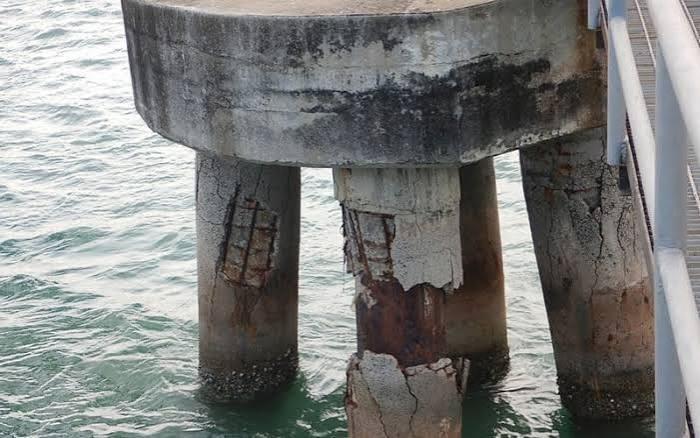
Jetties are among the most critical structures in ports, harbors, industrial terminals, and coastal facilities. They provide safe access for vessels, support loading and unloading operations, and protect valuable waterfront infrastructure from continuous environmental exposure. Over time, however, these structures experience deterioration caused by saltwater, waves, heavy loads, corrosion, and changing weather conditions. This makes professional jetty repair services essential for maintaining structural safety, operational efficiency, and long-term durability without replacing the entire facility.
Why Jetty Repair Services Are Essential
Marine structures operate in one of the harshest environments found in civil engineering. Constant exposure to seawater introduces chloride ions into reinforced concrete, leading to steel corrosion and gradual deterioration. Simultaneously, wave impact, vessel berthing forces, tidal movements, and abrasion accelerate wear on structural components. Professional jetty repair contractors identify these issues early and implement effective repair strategies that restore strength while minimizing operational disruptions and extending service life.
Common Problems Found in Jetties
Most jetty structures begin showing signs of distress after years of continuous operation. Cracks may develop due to structural loading, settlement, thermal variations, or corrosion expansion inside reinforced concrete. Concrete spalling exposes reinforcement, while damaged pile caps, beams, slabs, and decks compromise structural integrity. Marine organisms, repeated wetting and drying cycles, and chemical attack further accelerate deterioration, making timely inspections and repairs necessary before problems become severe.
Signs Your Jetty Needs Immediate Repair
Visible damage often indicates underlying structural problems that require professional attention. Large cracks, exposed reinforcement, rust stains, uneven deck surfaces, loose concrete, excessive deflection, and damaged protective coatings should never be ignored. Reduced load-carrying capacity, recurring maintenance issues, and increased repair frequency also suggest that a comprehensive structural assessment is necessary. Early intervention significantly reduces repair costs while preventing unexpected operational failures.
Importance of Detailed Structural Inspection
Every successful repair project begins with a detailed engineering assessment. Experienced specialists perform visual inspections alongside advanced testing methods to understand the structure's actual condition. Non-destructive testing, corrosion mapping, concrete strength evaluation, reinforcement scanning, and underwater inspections provide valuable information for selecting the most appropriate repair solution. Accurate diagnosis ensures repairs address the root cause instead of simply treating visible damage.
Concrete Repair for Marine Structures
Concrete deterioration remains one of the most common challenges in marine infrastructure. Repair specialists remove damaged concrete, clean corroded reinforcement, restore steel protection, and rebuild affected areas using high-performance repair materials designed specifically for marine exposure. These materials offer superior durability, bond strength, and resistance against chloride penetration, ensuring repaired sections perform effectively under demanding coastal conditions for many years.
Corrosion Protection Plays a Critical Role
Steel reinforcement corrosion is often the primary reason behind jetty deterioration. Once chlorides penetrate concrete, corrosion expands the steel, causing cracking and spalling. Effective repair programs include corrosion mitigation techniques such as protective coatings, cathodic protection systems, corrosion inhibitors, and specialized repair mortars. These solutions slow future deterioration while protecting repaired sections against continued exposure to aggressive marine environments.
Structural Strengthening for Aging Jetties
Many older jetties continue serving increasing operational demands beyond their original design capacity. Structural strengthening improves load-carrying performance without complete reconstruction. Engineers may strengthen beams, slabs, columns, pile caps, or foundations using modern strengthening technologies. These upgrades help accommodate heavier equipment, larger vessels, and changing operational requirements while extending the useful life of valuable marine infrastructure.
Repairing Damaged Piles
Pile foundations support the entire jetty structure and require careful maintenance. Continuous water exposure, corrosion, marine organism activity, and impact damage gradually weaken piles over time. Repair methods include concrete jacketing, steel jacketing, composite wrapping, sectional replacement, and underwater repair systems. Selecting the appropriate technique depends on structural condition, environmental factors, accessibility, and expected future loading conditions.
Underwater Repair Techniques
Many structural components remain permanently submerged, making underwater repair an essential capability for marine infrastructure projects. Specialized diving teams use underwater concrete placement, crack sealing, protective wrapping systems, grout injection, and corrosion protection technologies without requiring complete facility shutdown. These methods minimize disruption to port operations while restoring structural performance efficiently and safely under challenging marine conditions.
Protective Coating Systems Improve Durability
Protective coatings form an important part of long-term jetty maintenance strategies. Marine-grade coatings create barriers that prevent moisture, chlorides, and aggressive chemicals from reaching concrete and steel surfaces. Proper surface preparation, quality application procedures, and selection of suitable coating systems significantly improve durability. Regular inspection and timely recoating further extend the lifespan of repaired marine structures.
Importance of Expansion Joint Maintenance
Expansion joints accommodate movement caused by temperature changes, structural loading, and tidal forces. Damaged joints allow water infiltration that accelerates reinforcement corrosion and concrete deterioration. Repair specialists inspect joint systems, replace deteriorated sealants, restore waterproofing, and ensure proper movement capability. Well-maintained expansion joints contribute significantly to the overall durability and serviceability of jetty structures throughout their operational life.
Modern Repair Materials Deliver Better Performance
Advancements in repair materials have transformed marine infrastructure rehabilitation. High-strength repair mortars, polymer-modified concrete, fiber-reinforced materials, epoxy systems, marine grouts, and corrosion-resistant products provide superior mechanical performance compared to conventional materials. These modern solutions improve bonding, durability, chemical resistance, and structural performance while reducing maintenance requirements over the long term.
Why Preventive Maintenance Matters
Waiting until major structural damage occurs usually results in significantly higher repair costs. Preventive maintenance programs identify small defects before they become serious structural issues. Scheduled inspections, crack repairs, protective coating maintenance, drainage improvements, corrosion monitoring, and periodic cleaning help preserve structural condition. Preventive strategies maximize asset value while minimizing unexpected shutdowns and expensive emergency repairs.
Factors That Influence Jetty Repair Costs
Repair costs vary depending on multiple technical and environmental factors. The extent of deterioration, structural complexity, accessibility, underwater work requirements, material selection, environmental regulations, and operational constraints all affect project budgets. Comprehensive condition assessments allow engineers to develop practical repair plans that balance technical requirements with long-term economic value and operational continuity.
Selecting Experienced Jetty Repair Contractors
Choosing qualified jetty repair contractors is one of the most important decisions for any marine infrastructure project. Contractors should possess expertise in marine engineering, structural rehabilitation, underwater repair, corrosion protection, quality assurance, and project safety. Proven experience with coastal structures ensures repair solutions comply with engineering standards while delivering reliable long-term structural performance under demanding environmental conditions.
Environmental Considerations During Repairs
Marine repair projects must balance engineering requirements with environmental responsibility. Contractors carefully manage waste materials, control water contamination, minimize disturbance to marine ecosystems, and comply with coastal environmental regulations. Sustainable repair practices reduce ecological impact while maintaining construction quality. Responsible project execution supports both infrastructure longevity and environmental conservation objectives in sensitive coastal locations.
Technology is Improving Marine Infrastructure Repairs
Digital engineering tools are making jetty repairs more accurate and efficient than ever before. Drone inspections, underwater remotely operated vehicles, structural monitoring sensors, three-dimensional scanning, digital documentation, and predictive maintenance software help engineers identify deterioration earlier. These technologies improve repair planning, reduce inspection risks, increase project accuracy, and support informed maintenance decisions throughout the asset lifecycle.
Benefits of Timely Jetty Rehabilitation
Timely rehabilitation offers numerous operational and financial advantages. Proper repairs restore structural capacity, improve worker safety, reduce maintenance expenses, extend infrastructure lifespan, minimize operational interruptions, and enhance resistance against future deterioration. Rather than replacing entire facilities, rehabilitation allows organizations to maximize existing investments while meeting current operational requirements and future expansion needs efficiently.
Industries That Depend on Jetty Repair Services
Numerous industries rely on dependable marine infrastructure for daily operations. Commercial ports, shipping terminals, oil and gas facilities, power plants, naval installations, fishing harbors, chemical industries, logistics hubs, and industrial waterfront developments require regular maintenance to ensure uninterrupted operations. Professional repair services help these industries maintain safety, operational efficiency, and regulatory compliance despite challenging marine environments.
Long-Term Maintenance Planning
A structured maintenance strategy ensures repaired jetties continue performing efficiently for decades. Asset owners benefit from scheduled inspections, structural health monitoring, corrosion assessments, maintenance documentation, protective coating renewal, and periodic rehabilitation planning. Long-term maintenance reduces lifecycle costs, improves reliability, and allows organizations to plan repairs proactively instead of responding to emergency structural failures.
When selecting a specialist for marine infrastructure rehabilitation, prioritize engineering expertise, proven project experience, quality workmanship, and comprehensive structural assessment capabilities rather than focusing only on initial costs. A technically sound repair strategy delivers greater long-term value, enhanced safety, and improved structural reliability. Gubbi Civil Engineers Limited offers engineering-driven solutions that emphasize durable rehabilitation, modern repair technologies, and sustainable performance for complex marine structures while meeting industry standards and client expectations.
Jetty structures remain essential assets for ports, industrial facilities, and coastal developments, making their maintenance a critical investment. Professional jetty repair services address structural deterioration, corrosion, concrete damage, and operational challenges using advanced engineering techniques tailored for marine environments. Working with experienced jetty repair contractors ensures safe rehabilitation, improved structural performance, longer service life, and reduced lifecycle costs. With regular inspections, preventive maintenance, and timely repairs, organizations can protect valuable marine infrastructure and maintain reliable operations for many years into the future.

 English
 Arabic
 French
 Portuguese
 Deutsch
 Turkish
 Dutch
Dutch
 Italiano
 Russian
 Romaian
 Portuguese (Brazil)
 Greek
Greek
