
Why Online Prescriptions Are Changing Modern Healthcare Access
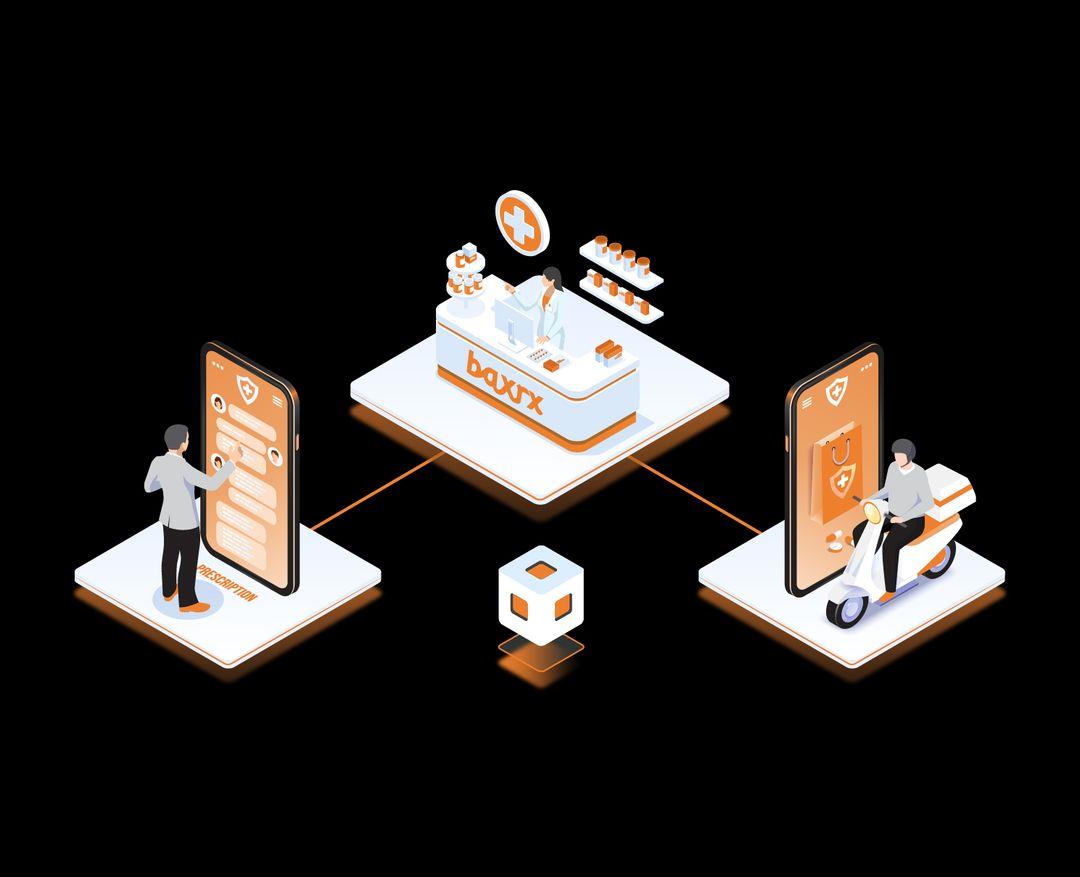
Access to healthcare has evolved rapidly over the past decade, and one of the biggest transformations has come through digital services. Today, patients no longer need to sit in crowded waiting rooms or rearrange their schedules just to renew medications. With platforms like 👉 Prescriptions, individuals can now manage their treatment needs more efficiently and conveniently than ever before.
Modern lifestyles are busy. Between work, family responsibilities, and personal commitments, finding time for doctor visits can be challenging. Online prescription services simplify the process by allowing patients to consult licensed healthcare providers remotely. This means fewer disruptions and faster access to essential medications. For people managing chronic conditions such as high blood pressure, diabetes, or asthma, this convenience can make a significant difference in maintaining consistent treatment.
Another major advantage is accessibility. In rural or underserved areas, healthcare facilities may be limited. Traveling long distances for routine prescription refills can be costly and time-consuming. Digital prescription platforms help bridge this gap by connecting patients with medical professionals from virtually anywhere. As long as there is internet access, medical consultations and prescription management can happen smoothly.
Privacy is another key factor driving the growth of online prescription services. Some health concerns can feel sensitive or uncomfortable to discuss in person. Digital consultations offer a discreet way to seek medical advice and obtain necessary medications. Patients can communicate with providers in a secure, confidential environment without the anxiety that sometimes accompanies face-to-face visits.
Speed also plays a critical role. Traditional appointment scheduling may require days or even weeks of waiting. Online systems often provide quicker response times, helping patients receive evaluations and prescriptions much faster. This can be especially important when dealing with urgent but non-emergency medical issues that require timely medication.
Technology has also improved safety and accuracy in the prescription process. Digital records reduce the risk of lost paperwork and allow providers to review patient history efficiently. Automated systems can flag potential drug interactions and ensure that prescriptions are issued responsibly. This level of oversight supports safer treatment decisions and better health outcomes.
Cost-effectiveness is another compelling reason many people are turning to online prescription services. Virtual consultations can sometimes be more affordable than in-person visits. Additionally, patients save on transportation costs, parking fees, and time away from work. Over time, these savings can add up significantly, particularly for individuals requiring ongoing medication management.
The patient experience has also improved through user-friendly interfaces. Most online prescription platforms are designed to be simple and intuitive. From account creation to consultation booking and medication ordering, the process is streamlined. Clear instructions and responsive support teams help guide users at every step.
For those concerned about legitimacy, reputable online prescription services operate under strict medical regulations. Licensed healthcare professionals evaluate each case carefully before issuing medication. This ensures that patients receive appropriate treatment based on accurate medical assessments rather than automated approvals without review.
Furthermore, online prescription services support continuity of care. Many platforms allow patients to maintain communication with the same provider over time. This consistency enables better monitoring of treatment progress, dosage adjustments, and overall health management. Building an ongoing relationship with a provider—even virtually—can lead to improved trust and better long-term outcomes.
It’s important to understand that online prescription services are not meant to replace emergency care or complex medical procedures. Instead, they complement traditional healthcare systems by handling routine consultations and medication management efficiently. When used responsibly, they provide a valuable alternative that enhances patient flexibility and control.
The future of healthcare is undeniably digital. As technology continues to advance, we can expect even more improvements in telemedicine and prescription management. Enhanced security systems, faster processing times, and expanded treatment options will likely become standard features.

 English
 Arabic
 Spanish
 Portuguese
 Deutsch
 Turkish
 Dutch
Dutch
 Italiano
 Russian
 Romaian
 Portuguese (Brazil)
 Greek
Greek