
Evolving Massive Multiplayer Online Games Market Revenue Models Shaping Long Term Growth
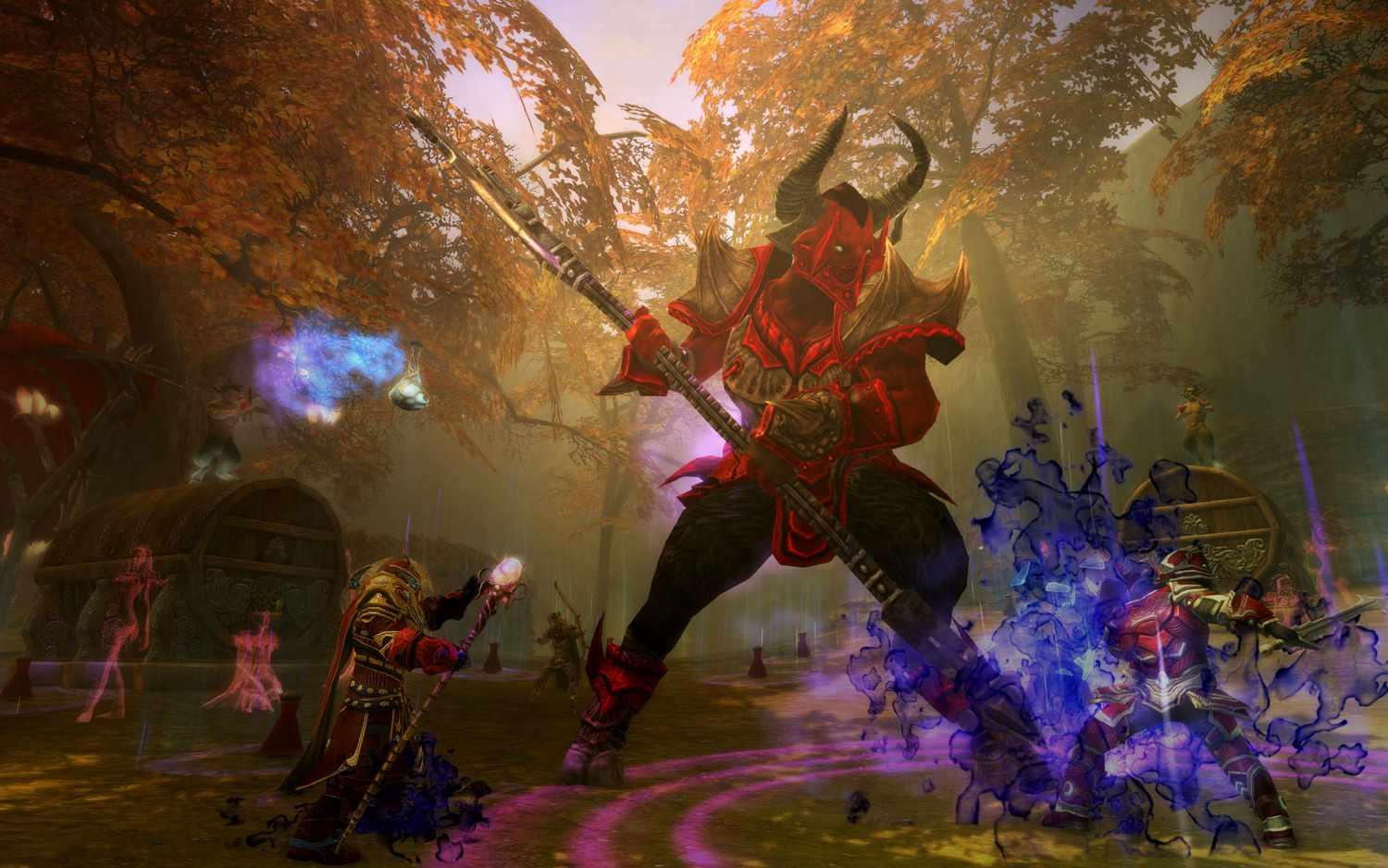
The Massive Multiplayer Online Games Market Revenue mix has shifted dramatically from subscription‑only models to diversified, hybrid approaches. Traditional subscriptions still generate stable income for some MMORPGs with strong value propositions—regular content updates, deep progression, and minimal cash‑shop pressure. Many MMOs, however, have adopted free‑to‑play entry with optional subscriptions that confer convenience benefits, expanded character slots, or cosmetic stipends. Premium expansion packs deliver major content beats that re‑engage dormant players and drive spikes in revenue. The balance of these elements must be carefully tuned to avoid perceived paywalls while ensuring sustainable funding for ongoing development.
Cosmetic monetization is now central to Massive Multiplayer Online Games Market Revenue. Skins, mounts, pets, housing items, and emotes cater to players’ desire for self‑expression and status without directly affecting power. Battle passes or season passes structure cosmetic progression over limited periods, encouraging consistent engagement and providing predictable revenue. Limited‑time collaborations with brands and IPs create urgency and cross‑audience appeal. However, studios must calibrate pricing, drop rates, and rewards to avoid fatigue or backlash. Transparency around odds, clear distinctions between cosmetic and gameplay advantages, and safeguards for younger players are increasingly important.
Regional, platform, and channel strategies further influence revenue structures. In some markets, PC cafés and time‑based billing still contribute, while in others, console and mobile platform fees shape net revenue shares. Regional pricing adjustments, payment‑method support, and local promotions improve affordability and uptake. Subscription services and cloud‑gaming platforms introduce new revenue channels, often based on engagement metrics or negotiated licensing deals. Offline merchandise, collector’s editions, and transmedia products (novels, soundtracks) complement digital income. Diversifying revenue reduces reliance on any single stream and buffers against regulatory or platform‑policy changes.
Looking ahead, experimentation will continue around player‑driven economies, creator‑marketplaces, and event‑based monetization. Carefully governed systems may allow players and creators to earn from cosmetic designs or in‑game services, with the studio taking a platform fee. Live events—concerts, festivals, story finales—can act as premium experiences with optional tickets or commemorative items. Regulatory pressure on loot boxes and gambling‑adjacent mechanics will likely push MMOs toward more transparent and predictable monetization. Studios that align revenue models with player value, fairness, and long‑term trust will be best positioned to sustain and grow their MMO franchises in an increasingly scrutinized market.
Top Trending Reports:

 English
 Arabic
 Spanish
 Portuguese
 Deutsch
 Turkish
 Dutch
Dutch
 Italiano
 Russian
 Romaian
 Portuguese (Brazil)
 Greek
Greek