
Top Factors to Consider Before Getting a Hair Transplant in Riyadh
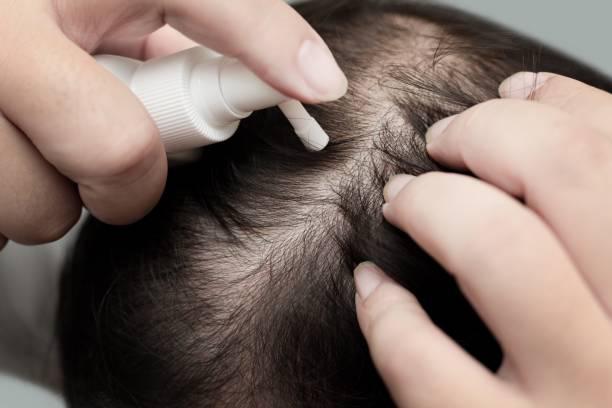
Hair restoration has become a popular solution for people who want to regain their confidence and improve their appearance. Choosing Hair Transplant in Riyadh is a significant decision that requires careful planning and a clear understanding of the procedure. While modern hair restoration techniques have achieved impressive results, taking the time to evaluate important factors before treatment can help you make an informed choice and achieve natural-looking outcomes.
Hair loss can affect both men and women for different reasons, including genetics, hormonal changes, aging, and certain medical conditions. If you are considering Hairline Restoration with Hair Transplant in Riyadh, it is essential to understand the treatment process, your suitability for the procedure, and the expectations you should have. Learning about these factors before making a decision helps you prepare for a smoother treatment journey and long-term satisfaction.
Understanding the Cause of Hair Loss
Before planning any hair restoration procedure, identifying the root cause of hair loss is one of the most important steps. Hair thinning may occur due to hereditary conditions, stress, nutritional deficiencies, hormonal imbalances, or medical issues. Understanding the underlying cause allows specialists to recommend the most suitable treatment approach and determine whether a hair transplant is the right option for you.
In some cases, treating the underlying condition first may improve hair health, while in others, a transplant may offer the most effective long-term solution.
Knowing Whether You Are a Suitable Candidate
Hair Density and Donor Area
A successful transplant depends largely on the availability of healthy donor hair. During an assessment, the donor area is carefully examined to determine whether it has enough strong follicles to achieve natural-looking coverage.
People with stable hair loss and good donor hair generally experience better outcomes because the transplanted follicles continue to grow naturally over time.
Age and Hair Loss Pattern
Age is another important consideration before undergoing treatment. While adults of different age groups may be eligible, it is often beneficial to wait until the pattern of hair loss becomes more stable. This allows for better treatment planning and helps create results that remain balanced as hair changes over time.
Understanding the Different Hair Transplant Techniques
Modern hair transplantation offers advanced techniques designed to provide natural-looking results. Each method has its own advantages depending on the patient's hair type, level of hair loss, and restoration goals.
Learning about the available techniques helps you understand how the procedure works and what to expect during recovery. An individualized treatment plan ensures that the chosen technique matches your specific needs.
Setting Realistic Expectations
One of the most important factors before getting a hair transplant is having realistic expectations. Hair transplantation improves hair density by relocating healthy follicles, but results develop gradually over several months as the transplanted hair enters its natural growth cycle.
Understanding this timeline helps patients remain patient throughout the healing process and appreciate the gradual improvement in hair thickness and appearance.
Preparing for the Procedure
Following Pre-Treatment Instructions
Proper preparation contributes to a smoother procedure and recovery. Patients are usually advised to follow specific instructions before treatment, including maintaining good scalp hygiene and discussing any medications or health conditions with the specialist.
Following professional guidance reduces potential complications and creates favorable conditions for successful follicle transplantation.
Maintaining a Healthy Lifestyle
Healthy habits can positively influence both healing and hair growth. A balanced diet, proper hydration, adequate sleep, and avoiding harmful lifestyle habits support the body's natural recovery process and contribute to healthier hair over time.
Recovery and Aftercare
Recovery is an essential part of achieving successful results. Mild redness, temporary swelling, or small scabs are normal during the early healing period. Following aftercare instructions carefully helps protect the newly transplanted follicles and supports healthy growth.
Patients should avoid activities that may place unnecessary stress on the scalp during the initial recovery period. Attending follow-up appointments also allows specialists to monitor progress and provide additional guidance whenever needed.
Long-Term Hair Care
Although transplanted hair is generally permanent, maintaining overall scalp and hair health remains important. Gentle hair care, a nutritious lifestyle, and regular scalp maintenance help preserve both transplanted and existing hair.
Ongoing care also supports healthy hair growth and helps maintain natural-looking results for many years.
Choosing a Trusted Hair Restoration Clinic
Selecting the right clinic plays a vital role in your overall experience. A reputable clinic focuses on patient education, personalized treatment planning, advanced technology, and comprehensive aftercare. Taking time to choose an experienced and professional team provides greater confidence throughout every stage of your hair restoration journey.
Clear communication, detailed consultations, and realistic treatment recommendations help patients feel informed before making their final decision.
Final Thoughts
A hair transplant is more than a cosmetic procedure—it is a long-term investment in confidence and self-image. Understanding the causes of hair loss, evaluating your suitability, learning about treatment techniques, preparing properly, and following recommended aftercare all contribute to achieving satisfying results. By carefully considering these factors, you can approach your hair restoration journey with confidence and realistic expectations.
Frequently Asked Questions
Question: How do I know if I am a good candidate for a hair transplant?
Answer: A professional assessment of your hair loss pattern, scalp condition, and donor hair availability helps determine whether you are a suitable candidate.
Question: How long does it take to see the final results?
Answer: Hair growth occurs gradually, and noticeable improvements usually develop over several months as the transplanted follicles mature naturally.
Question: Will the transplanted hair look natural?
Answer: Modern hair transplant techniques are designed to create natural-looking hairlines and blend seamlessly with existing hair when performed with proper planning.
Question: Can women also undergo hair transplantation?
Answer: Yes. Women experiencing certain types of hair loss may also benefit from hair transplantation after a thorough evaluation.
Question: Does transplanted hair require special care?
Answer: Following aftercare instructions during recovery and maintaining a healthy hair care routine help preserve the health and appearance of transplanted hair.
Consultation at Enfield Royal Clinic
If you are considering a hair restoration procedure, Enfield Royal Clinic offers personalized consultations to help you understand your options and determine the most suitable treatment plan for your hair goals. With a patient-focused approach, advanced techniques, and dedicated aftercare, the clinic supports you throughout every stage of your hair restoration journey.

 English
 Arabic
 French
 Spanish
 Portuguese
 Deutsch
 Turkish
 Dutch
Dutch
 Italiano
 Russian
 Romaian
 Portuguese (Brazil)
