
India Vertical Farming Industry Analysis: Technology, Investment and Growth Potential
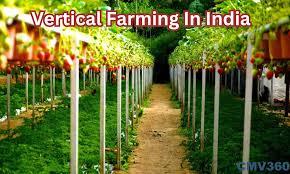
A profound shift in consumer consciousness is altering the landscape of the domestic grocery retail and food service sectors. Modern urban consumers are increasingly hyper-aware of the health risks associated with chemical pesticide residues, heavy metal contamination in soil, and prolonged storage times typical of long-distance supply chains. This awareness has generated a massive wave of demand for clean, traceable, and sustainably sourced food options. Vertical farms are perfectly positioned to capture this discerning market segment, as their sealed environments completely eliminate the need for chemical interventions. Every batch of produce can be traced back to a specific indoor facility, providing consumers with unprecedented transparency regarding how their food was grown, harvested, and handled. This trust premium allows vertical farming brands to command higher price points in supermarkets, gourmet restaurants, and direct-to-consumer subscription boxes, establishing a lucrative commercial foundation for early adopters of the technology.
To maintain this upward trajectory, brands must constantly adapt to macro-consumption patterns and shifting distribution channels within the broader retail ecosystem. Keeping a close eye on India Vertical Farming Market Trends helps operators pivot their crop selections and marketing strategies to match real-time consumer preferences. Currently, there is a clear movement toward pre-washed, ready-to-eat salad mixes and functional foods like nutrient-fortified microgreens. However, a major challenge lies in expanding this consumer base beyond the affluent upper class. As operational efficiencies lower production costs, vertical farming companies must strategize on how to price their products competitively with premium conventional options, making clean food accessible to broader demographics and securing long-term volume growth in the highly competitive retail environment.
What is the shelf-life difference between vertically farmed produce and traditionally farmed produce?
Vertically farmed produce often lasts up to a week longer because it is harvested locally and spends significantly less time in transit and storage.
Are there functional foods or specialized crops that vertical farms can produce to target health-conscious consumers?
Yes, vertical farms can alter nutrient solutions to grow crops with higher concentrations of specific vitamins, antioxidants, or mineral content.
➤➤➤Explore MRFR’s Related Ongoing Coverage In Semiconductor Industry:
Distributed Acoustic Sensing Market
Flexible Hybrid Electronics Market
Fiber Optic Test Equipment Market

 English
 Arabic
 French
 Portuguese
 Deutsch
 Turkish
 Dutch
 Italiano
 Russian
 Romaian
 Portuguese (Brazil)
 Greek
