
Refurbished Electronics Market Growth Drivers, Challenges and Future Outlook 2035
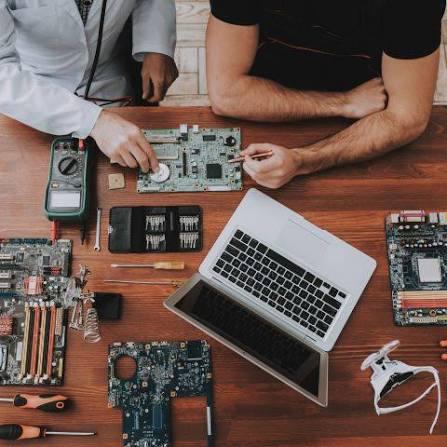
The global landscape of consumer consumption is undergoing a massive shift as sustainability transitions from a niche lifestyle choice into a mainstream economic driver. This behavioral evolution is perfectly mirrored in the soaring adoption rates of pre-owned devices, where smartphones, laptops, tablets, and gaming consoles are finding a second lease on life. Consumers who were once strictly tethered to the allure of unboxing factory-new devices are now actively weighing the ecological impact of their tech habits. E-waste has rapidly become one of the fastest-growing environmental crises of the twenty-first century, prompting millions to seek alternatives that reduce the demand for raw mineral extraction and toxic manufacturing processes. By choosing meticulously restored hardware, buyers are directly participating in a circular economy that keeps functional technology out of landfills. Furthermore, the modern shopper is highly value-driven, demanding premium performance without the matching flagship price tag. This combination of ecological responsibility and sharp financial pragmatism creates a powerful market force, forcing legacy tech giants to rethink their traditional hardware replacement cycles and invest heavily in certified pre-owned programs to retain their shifting customer base. For an in-depth exploration of these shifting consumer habits, check out the comprehensive Refurbished Electronics Market analysis.
As supply chains stabilize and third-party validation networks mature, the consumer paradigm will continue to favor extended device lifespans over rapid upgrades. E-commerce platforms have systematically dismantled the ancient stigma associated with used goods by introducing rigid grading systems, comprehensive multi-point inspections, and ironclad return policies that mirror the new retail experience. Buyers no longer feel like they are taking a massive gamble on a marketplace forum; instead, they enjoy consumer protections, extended warranties, and dedicated customer support. This institutionalization of the industry builds immense trust, which acts as a bridge for older, more risk-averse demographics who previously shunned second-hand goods. As inflation continues to squeeze household disposable incomes across both developed and developing economies, the financial argument for pre-owned technology becomes completely undeniable. The intersection of strict financial discipline and genuine climate anxiety ensures that this change in buying habits is not a temporary trend, but rather a permanent structural migration. The subsequent decade will likely see hardware manufacturers competing just as fiercely in the certified restoration space as they currently do in the race for next-generation silicon innovations.
What exactly differentiates a factory refurbished device from a standard used device sold online? A refurbished device undergoes rigorous diagnostic testing, hardware repairs using certified parts, thorough sanitization, and software restoration by professionals, whereas a standard used device is typically sold directly by a consumer in an "as-is" condition without warranties or quality guarantees.
How does purchasing restored hardware contribute directly to environmental conservation efforts? Buying restored electronics extends the functional lifecycle of existing products, which significantly cuts down on toxic e-waste accumulation in landfills, lowers the demand for raw rare-earth mineral mining, and drastically reduces the carbon footprint associated with manufacturing entirely new microchips and chassis.
➤➤➤Explore MRFR’s Related Ongoing Coverage In Semiconductor Industry:
Data Center Accelerator Market
Endpoint Detection And Response Market
Property Casualty Insurance Market

 English
 Arabic
 French
 Spanish
 Portuguese
 Deutsch
 Turkish
 Dutch
Dutch
 Italiano
 Russian
 Romaian
 Greek
Greek
