
Reinforcing Modern Construction: The Expertise Behind Stronger Structures
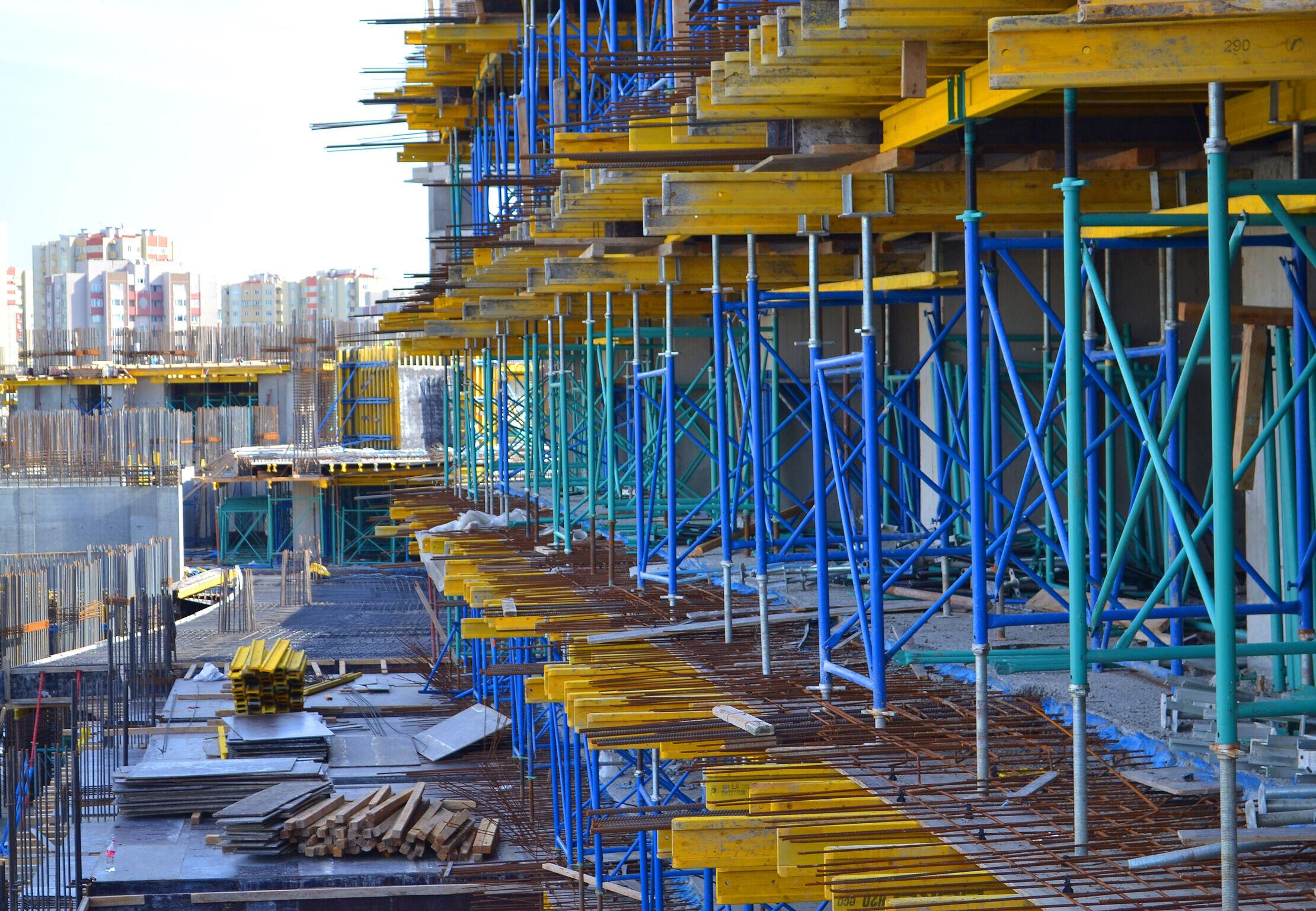
Explore the technical importance of leeds reinforced steel contractors and how they ensure structural integrity in large-scale UK infrastructure development projects.
The Foundations of Stability
In the landscape of modern architecture, the structural integrity of a building is paramount. Whether constructing high-rise apartments, commercial office spaces, or complex civil engineering projects, the backbone of these structures almost always relies on reinforced concrete. By combining the compressive strength of concrete with the tensile strength of steel, engineers create a composite material capable of withstanding immense loads and environmental stresses. This is where the technical expertise of leeds reinforced steel contractors becomes essential to the construction process.
The Role of Reinforced Steel
Reinforced steel, often referred to as rebar, acts as the skeleton within a building’s concrete frame. Concrete on its own is brittle; if subjected to tension or bending, it can crack or fail. Steel reinforcement bars are strategically positioned within the formwork before the concrete is poured. These bars are designed to resist the tension forces that concrete cannot handle alone.
The precision required to install this reinforcement is high. It involves reading complex structural engineering drawings, understanding load-bearing calculations, and ensuring that the steel is placed at exact depths and intervals. When seeking leeds reinforced steel contractors, project managers are looking for teams that bring this site-specific technical knowledge to the table, ensuring that the placement of rebar complies with strict UK building regulations and safety standards.
Precision in Fabrication and Site Assembly
The process typically begins with the fabrication of steel, where bars are cut, bent, and bundled according to precise architectural specifications. Once delivered to the site, the assembly phase begins. This is a critical stage where the steel must be tied together securely. If the reinforcement is improperly positioned, the structural capacity of the concrete element—be it a foundation, column, or slab—can be severely compromised.
Competent leeds reinforced steel contractors are trained to handle various types of steel reinforcement, including high-tensile bars and mesh, ensuring that every joint is correctly secured. They must also account for ‘concrete cover,’ which is the distance between the outer surface of the concrete and the steel reinforcement. Adequate cover is vital to prevent corrosion; if the steel is too close to the surface, moisture can penetrate the concrete, causing the metal to rust and expand, which eventually leads to spalling and structural weakness.
Compliance and Safety Standards
In the UK, the construction industry is governed by rigorous safety codes and design standards. Every aspect of structural reinforcement must adhere to these national requirements to ensure public safety and long-term durability. By engaging professional leeds reinforced steel contractors, construction sites benefit from a workforce that understands these regulatory mandates, from the initial steel fixing stages through to the final inspection before the concrete pour.
As urban development continues to evolve in Yorkshire and across the United Kingdom, the reliance on reinforced concrete structures remains constant. The skill and accuracy brought by experienced reinforcement teams remain the silent, unseen guarantee behind the safety and longevity of the built environment.

 English
 Arabic
 French
 Spanish
 Portuguese
 Deutsch
 Dutch
Dutch
 Italiano
 Russian
 Romaian
 Portuguese (Brazil)
 Greek
Greek
