
A Practical Look at New Orleans Cooking Classes
The vibrant culinary landscape of south Louisiana is a beautiful tapestry woven from centuries of cultural fusion. For food lovers and travelers seeking to immerse themselves in authentic local traditions, understanding the foundational secrets of this world famous cuisine is a true rite of passage. Exploring the differences between rustic Cajun cooking and refined Creole heritage allows home cooks to recreate the magic of the French Quarter in their own kitchens.
Authentic Louisiana dishes are celebrated globally for their deep complex flavor profiles, aromatic spice blends, and soulful history. From the bustling open kitchens of the Big Easy to quiet family tables along the bayou, food here is far more than mere sustenance; it is a shared language of hospitality and joy. Bringing these iconic recipes to life requires a grasp of specific culinary techniques, a deep respect for historic flavor bases, and the guidance of expert instructors.
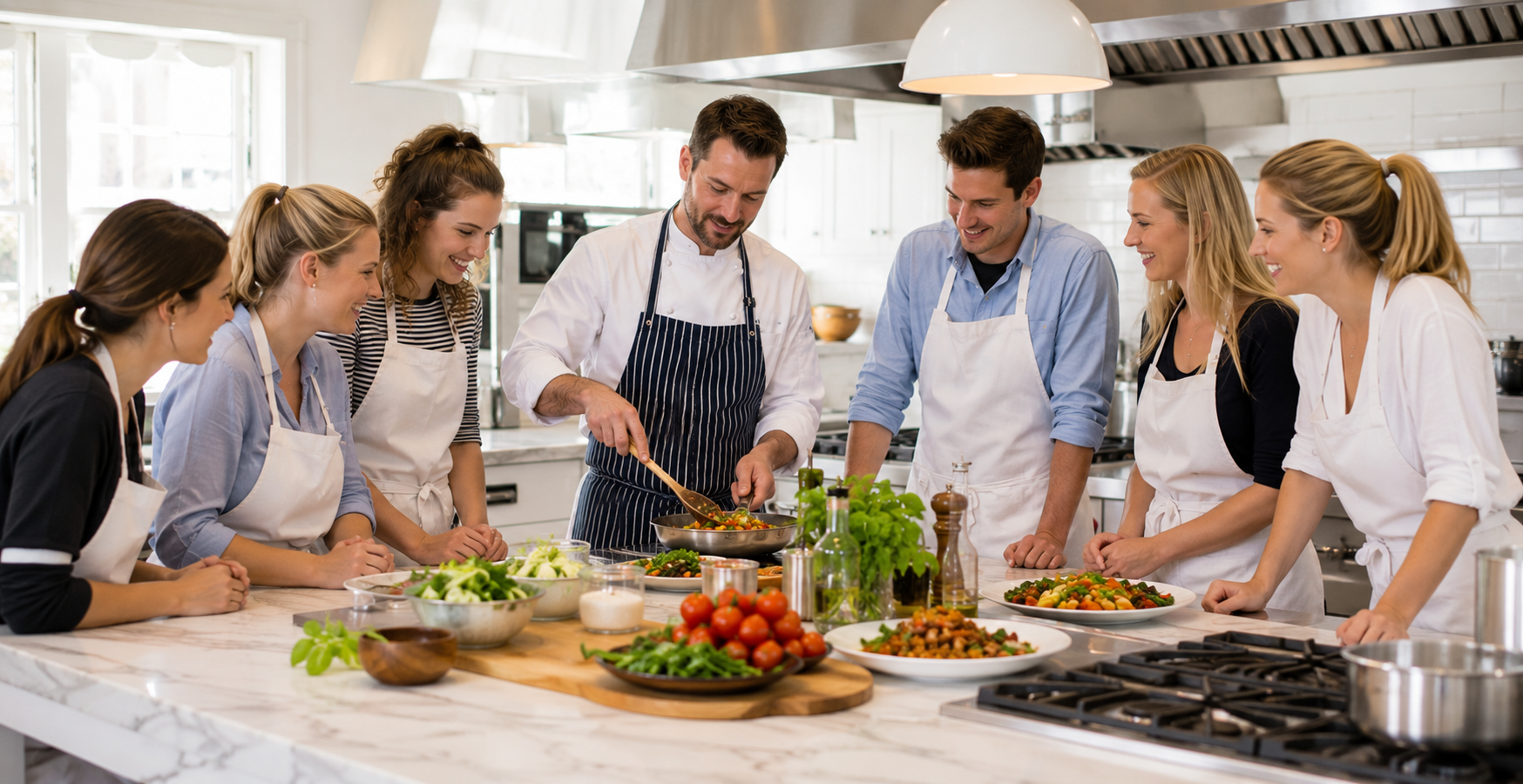
For anyone eager to elevate their culinary skills, participating in hands on Cooking classes in New Orleans provides the ultimate interactive learning experience. Led by passionate local chefs who share professional techniques and the storytelling heritage of Louisiana cuisine, these immersive sessions allow you to roll up your sleeves and master classic recipes. Whether you are aiming to perfect a deep dark roux, balance the holy trinity of vegetables, or craft a perfect seafood masterpiece, professional guidance transforms enthusiastic beginners into confident home cooks.
Demystifying the Essential Foundations of Louisiana Cookery
Every memorable Louisiana meal begins with patience and the proper building blocks of flavor. The most critical component across countless classic recipes is the iconic roux, a simple mixture of equal parts flour and fat cooked slowly until it achieves the perfect shade and aroma. While French cuisine utilizes light rouxs to thicken delicate sauces, regional masters cook their roux much longer to develop rich, nutty undertones that form the soulful backbone of stews and gumbos.
Alongside a perfectly executed roux, the legendary holy trinity of local cookery is an absolute necessity. Comprising finely diced onions, bell peppers, and celery, this aromatic trio serves as the aromatic starting point for nearly every savory pot. By sweating these vegetables slowly in fat, cooks unlock a natural sweetness and depth that harmonizes beautifully with bold seasonings, creating an authentic profile that cannot be replicated by shortcuts.
Discovering the Rich Differences Between Cajun and Creole Traditions
Understanding the distinction between Cajun and Creole traditions is key to unlocking the secrets of local food culture. Creole cuisine is often described as city food, originating in urban centers where diverse influences from French, Spanish, African, Caribbean, and Italian heritages converged. This style of cooking frequently incorporates rich tomatoes, delicate cream sauces, butter, and a wide array of fresh seafood, resulting in elegant and sophisticated dishes like shrimp creole or luxurious crawfish bisque.
In contrast, Cajun cuisine is celebrated as rustic country food, born from the resourceful Acadian settlers who adapted their French roots to the wild bayous and prairies of south Louisiana. Cajun dishes are characteristically hearty, relying heavily on smoked meats like andouille sausage, wild game, fresh pork, and dark, smoky rouxs. This style focuses on one pot meals, robust spice blends, and a comforting, earthier flavor profile that perfectly reflects the communal spirit of the countryside.
Perfecting the Masterpiece of Chicken and Andouille Sausage Gumbo
No culinary journey through local traditions is complete without learning to prepare a true, authentic gumbo. A stellar chicken and andouille sausage gumbo relies entirely on the quality of its dark chocolate roux, which must be stirred continuously to avoid scorching. Once the roux reaches the perfect deep brown hue, the holy trinity is immediately tossed into the pot, halting the cooking process of the flour and releasing a fragrant burst of aroma.
As the rich stock, smoky andouille sausage, and tender pieces of chicken simmer together, the flavors marry to create a comforting, complex stew. Expert chefs emphasize the importance of allowing the pot to simmer slowly, letting the natural fats and seasonings meld beautifully over time. Served hot over a scoop of fluffy white rice, this iconic dish embodies the warmth, history, and unmatched hospitality of regional cooking.
Mastering the Delicate Balance of Shrimp Étouffée
Another indispensable recipe in the regional repertoire is a rich, smothered dish known as étouffée. Derived from the French word meaning to smother, this preparation technique involves gently simmering fresh succulent seafood in a luscious, velvety sauce built from a blonde or peanut colored roux. The lighter roux provides a subtle nuttiness without overpowering the delicate sweetness of fresh Gulf shrimp or tender crawfish tails.
Achieving the perfect texture requires precise timing and a gentle touch, ensuring the seafood remains incredibly tender and juicy. The sauce is elevated with a precise balance of garlic, green onions, and a customized blend of regional spices that add warmth without overwhelming heat. Presentation is everything, and serving this luxurious smothered seafood over a bed of steamed rice creates an elegant presentation perfect for any special occasion.
Crafting the Ultimate New Orleans Style Brunch Staples
The morning food culture in the region is just as vibrant and celebrated as its evening dinners. A standout favorite among locals and visitors alike is a comforting bowl of New Orleans style shrimp and grits. This dish elevates humble cornmeal into a velvety, decadent base using rich cream and sharp cheese, providing a smooth canvas for perfectly seared savory shrimp.
The magic happens in the pan drippings, where a quick, flavorful pan sauce is created using garlic, lemon juice, fresh herbs, and a touch of Worcestershire sauce. The result is a perfect harmony of textures, combining the creamy, comforting grits with the snappy, savory seafood. Mastering this dish allows you to bring the joyful energy of a celebratory weekend jazz brunch directly into your home kitchen.
Elevating Your Desserts with Flambé Techniques and Sweet Confections
A spectacular Louisiana feast deserves a dramatic and decadent sweet finale to round out the flavor experience. Bananas Foster is the ultimate choice, combining ripe bananas, rich brown sugar, butter, cinnamon, and banana liqueur in a sizzling skillet. The true excitement comes during the live flambé process, where a splash of dark rum is ignited, creating a spectacular burst of flame that caramelizes the sugars and creates a velvety, warm sauce.
The Importance of Professional Knife Skills and Seasoning Secrets
Stepping behind the counter in a professional kitchen environment offers valuable insights into the efficiency and precision required for exceptional cooking. Developing proper knife skills is essential, as uniform cuts ensure that your holy trinity of vegetables cooks evenly, preventing bitter burnt bits or crunchy undercooked pieces. Instructors focus on safe grip techniques and efficient chopping motions that build confidence and speed up meal preparation at home.
Creating Unforgettable Memories Through Collaborative Team Building
The reward of a collaborative kitchen experience culminates in a spectacular sit down feast where participants enjoy the fruits of their collective labor. Sharing stories over bowls of steaming gumbo and platters of fresh jambalaya creates lasting bonds and unforgettable memories. These interactive culinary events transform a standard gathering into a vibrant celebration of food, culture, and community spirit.
Choosing the Perfect Menus for Your Culinary Skill Level
Every home cook approaches the kitchen with a unique set of skills, preferences, and personal dietary goals. Exploring diverse class menus ensures that everyone can find the perfect culinary fit, whether you want to focus on classic seafood dishes, master traditional meat preparations, or explore plant based alternatives. From rich seafood bisques to hearty rice dishes, there is an interactive experience tailored to challenge and inspire every individual.
For those looking to explore regional flavors without meat or seafood, modern interpretations offer incredible plant based options like a robust gumbo z'herbes or a sweet corn maque choux. These innovative dishes prove that bold Cajun and Creole spice profiles do not rely solely on meat to deliver an unforgettable impact. Selecting a menu that aligns with your culinary curiosity ensures a rewarding, educational, and delicious experience from start to finish.
Frequently Asked Questions
Do I need any prior cooking experience to attend a hands on culinary class?
Not at all. The interactive cooking sessions are designed to accommodate individuals of all skill levels, from absolute kitchen novices to seasoned home cooks. Professional chefs provide clear, step by step guidance, demonstrafundamentalting knife skills, proper heat management, and seasoning techniques along the way.
The primary focus is on having fun, learning practical kitchen tips, and enjoying an authentic cultural experience in a relaxed setting.
What is included in a typical hands n regional cooking experience?
A comoprehensive class includes all fresh ingredients, professional tools, aprons, and expert from a trained local chef. As you prepare a multi coinstructionurse meal, you will enjoy complimentary beverage pairings such as wine, local beer, sodas, and water to keep the atmosphere festive.
The experience wraps up with a full sit down meal where you get to relax and enjoy all the delicious dishes you and your classmates created.
Are there menu options available for individuals with specific dietary restrictions?
Yes, accommodation for various dietary needs is easily managed with advanced notice prior to your scheduled session. Menus can be modified to address specific seafood allergies, gluten sensitivities, or other common dietary preferences.
Additionally, dedicated vegetarian classes are available, featuring beautiful plant based versions of traditional regional staples like greens based gumbos and flavorful vegetable sides that showcase the versatility of local spices.
How long do these interactive chef led cooking classes usually last?
Most standard public and private cooking classes last approximately two and a half to three hours from start to finish. This timeframe allows ample opportunity to learn the history of the dishes, practice essential cooking techniques, and actively prepare each course without feeling rushed.
The final portion of the class is dedicated entirely to relaxing, socializing, and savoring the multi-course feast you prepared.
Can these culinary experiences be booked for corporate groups or private parties?
Absolutely. The spacious, interactive kitchen venue is perfectly suited for corporate team-building events, festive family reunions, birthday celebrations, and private holiday parties.
Groups can participate in friendly cooking challenges or structured collaborative sessions designed to boost team morale and foster communication. These custom private events offer a memorable way to celebrate special occasions while soaking in the rich food culture of the region.
Conclusion
Immersing yourself in the rich culinary traditions of south Louisiana offers a profoundly rewarding pathway to becoming a more confident, creative, and skilled home cook. By mastering foundational techniques such as the slow-cooked artisan roux, the balanced vegetable trinity, and precise seafood simmering, you unlock the ability to recreate legendary southern comfort food anywhere in the world.
Enrolling in a professional, hands-on cooking class provides the expert mentorship, technical skills, and historical context needed to truly understand the soul of this iconic, world-renowned cuisine.

 English
 French
 Spanish
 Portuguese
 Deutsch
 Turkish
 Dutch
Dutch
 Italiano
 Russian
 Romaian
 Portuguese (Brazil)
 Greek
Greek
