
Smooth, Rich, and Rare Defining Pure Kona Coffee
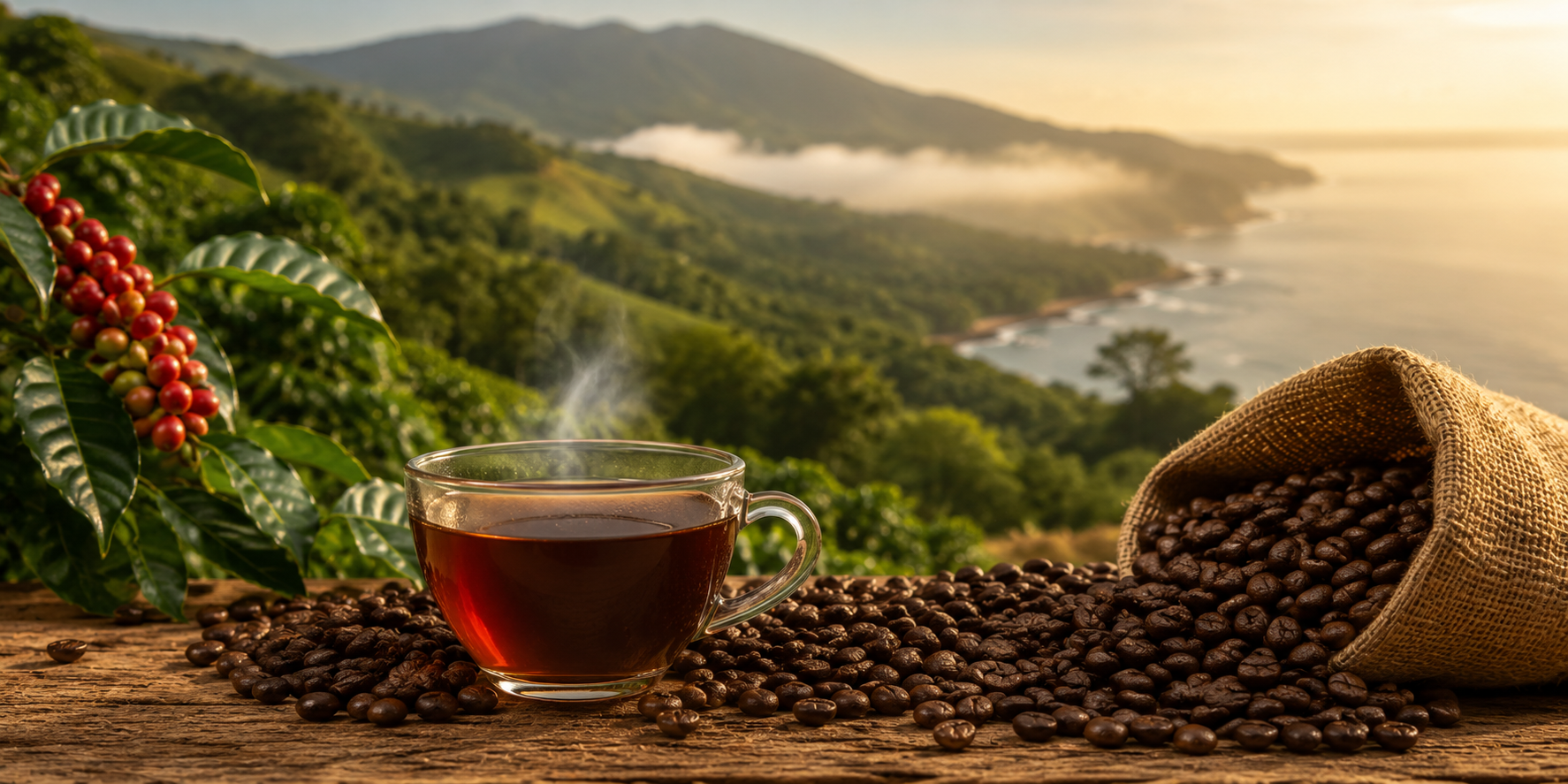
The world of specialty coffee offers few experiences that match the prestige and refined flavor profile of beans grown on the volcanic slopes of the Big Island of Hawaii. Cultivated in a narrow geographic strip known as the Kona Coffee Belt, these exceptional beans have captured the hearts of connoisseurs globally. Understanding what makes this harvest so unique is essential for any consumer looking to invest in a truly premium beverage experience.
The microclimate of the region plays a pivotal role in shaping the final flavor profile found in your cup. With rich volcanic soil under native forest canopies, warm morning sun, and mild afternoon showers, the coffee trees enjoy optimal growing conditions. This natural harmony allows the fruit to mature slowly, developing complex sugars and a smooth acidity that defines the classic Hawaiian profile.
When exploring your options online or in boutique shops, you will quickly notice a vast disparity in pricing and labeling. To ensure you are receiving the genuine flavor profile crafted by traditional Hawaiian farms, you must look specifically for certified pure Kona coffee rather than cheap supermarket alternatives. Many commercial brands utilize a legal loophole allowing them to label a package as a blend while containing as little as ten percent authentic beans, drastically altering the taste.
Deciphering the Official Coffee Grades
The Hawaii Department of Agriculture enforces strict standards to categorize beans based on size, moisture content, and the rarity of defects. Understanding these grades allows consumers to make informed choices based on their personal taste preferences and brewing styles.
The highest tier is known as Extra Fancy, consisting of the largest and most flawless beans harvested from the estate. These premium selections offer an incredibly clean cup with pronounced sweetness and a well balanced acidity that stands out during professional cupping competitions.
Following closely are the Fancy and Number One grades, which also represent exceptional quality with minimal flaws. These selections provide a consistent and vibrant flavor profile that embodies the traditional characteristics of shade grown Arabica Typica.
Prime is the foundational grade for authentic Hawaiian crops, ensuring that the beans meet the baseline legal requirements for regional authenticity and quality. While they may have slight variations in size, Prime beans still deliver a delicious experience far superior to mass produced commercial alternatives.
The Mystique of the Peaberry Bean
A natural mutation occurs in a small percentage of coffee cherries where only a single round bean develops instead of the usual two flat sided beans. These rare gems are carefully separated during the milling process and sold as Peaberry coffee.
Connoisseurs frequently seek out Peaberry lots due to their concentrated flavor profile and high density. Because the single bean absorbs all the nutrients within the cherry, it often exhibits a brighter acidity, intense fruit notes, and a remarkably smooth finish.
The Value of Single Estate Coffee
When purchasing gourmet beans, selecting a single estate product ensures complete traceability from the seed to your final cup. This means every bean in your bag originates from a specific farm, allowing you to experience the exact terroir of that distinct plot of land.
Multi farm blends often obscure the unique nuances of individual harvests by mixing beans from different elevations and microclimates. By choosing a dedicated estate product, you support sustainable farming practices and family businesses that prioritize quality over massive commercial yields.
Different areas within the volcanic region produce distinct flavor notes based on shade cover and soil composition. For instance, high mountain shade grown plants developing beneath a canopy of native Ohia trees or macadamia nut trees mature at a slower pace, which greatly enhances the natural sweetness and depth of the roast.
The Historical Legacy of the Kona Typica Varietal
The rich heritage of these islands is deeply intertwined with the introduction of the Arabica Typica tree in the early nineteenth century. Brought over from cuttings that thrived in the unique microclimate, this specific varietal adapted perfectly to the mineral-dense volcanic slopes. Over generations of careful cultivation, the plant developed distinct characteristics that set it apart from its global ancestors.
Today, this lineage represents a living tradition preserved by multi-generational family farms. When you enjoy a cup of this specialty heritage harvest, you are tasting a historical flavor profile that has been refined over nearly two centuries of agricultural dedication.
The Significance of Hand-Harvesting and Wet-Milling
Unlike massive commercial operations in other parts of the world that rely on mechanical harvesters, the steep terrain of the Big Island requires a completely manual approach. Experienced pickers walk the orchards multiple times during the harvest season, selecting only the cherries that have reached a perfect, vibrant crimson maturity. This selective harvesting eliminates under-ripe or over-ripe fruit from entering the production line.
Following the harvest, the wet-milling process plays a vital role in preserving the clean tasting notes of the crop. The fruit pulp is gently removed using fresh mountain water before the beans undergo controlled fermentation. This precise method highlights the bright, crisp acidity and smooth mouthfeel that discerning buyers expect from a ultra-premium product.
Sustainable Farming and Eco-Friendly Practices
Modern estate owners are increasingly adopting regenerative agriculture techniques to protect the delicate ecosystem of the volcanic slopes. By integrating organic fertilizers, conserving local water sources, and avoiding harsh synthetic chemical applications, these boutique farms preserve the soil quality for future generations.
Choosing sustainably grown crops means supporting ethical farming practices that favor biodiversity. Many estates cultivate their coffee trees beneath a shade canopy composed of native trees and fruit plants, creating a natural habitat for local bird species while allowing the coffee cherries to mature at an ideal, unhurried pace.
Choosing Your Ideal Roast Profile
The roasting process is an art form that transforms the green beans into aromatic masterpieces by unlocking their volatile organic compounds. Selecting the right roast profile depends entirely on whether you prefer bright floral notes or deep caramelized undertones.
Light roasts preserve the maximum amount of original origin characteristics, showcasing delicate notes of citrus, lavender, and soft florals. This profile highlights the vibrant acidity and complex aromatics inherent in high elevation crops.
Medium roasts are incredibly popular because they strike a perfect balance between origin characteristics and the sweet development from the roaster. You can expect smooth flavor notes of honey, vanilla, creamy caramel, and toasted nuts with a remarkably clean finish.
Dark roasts bring out the rich oils within the bean, offering a bold body with lower acidity. A properly executed dark roast delivers deep notes of dark chocolate, brown sugar, and a pleasant smoky undertone without tasting burnt or bitter.
How to Avoid Counterfeit Labels
Because of the high market value and scarcity of these Hawaiian beans, the industry unfortunately sees a significant amount of deceptive packaging. Protecting your investment requires a diligent examination of the product labels before making a purchase.
Always verify that the packaging explicitly states One Hundred Percent Kona Coffee rather than using ambiguous phrases like Kona Style or Kona Roast. Deceptive blends frequently use beautiful imagery of the islands to hide the fact that ninety percent of the bag contains cheap filler beans from other countries.
Look for certifications and verifications indicating that the product was approved by local agricultural authorities. Genuine estate brands proudly display their origin details, farm location, and the specific varietals used in their bags to provide absolute transparency.
Perfecting Your Brewing Technique
To fully honor the dedication of the farmers who hand select and sun dry these precious crops, utilizing the correct brewing parameters is essential. Simple adjustments to your daily routine can dramatically elevate the extraction quality.
Investing in a high quality burr grinder allows you to grind your whole beans immediately before brewing, preserving the volatile aromas. A coarse grind works beautifully for immersion methods like the French Press, while a medium grind is ideal for pour over drippers.
Water quality and temperature significantly impact the final taste profile of your beverage. Use filtered water heated to just below boiling, ideally around two hundred degrees Fahrenheit, to extract the optimal balance of sweetness and acidity without introducing bitter elements.
Frequently Asked Questions
What makes this specific Hawaiian coffee so expensive compared to regular coffee? The high cost reflects the limited geographic growing area, the intense manual labor required to harvest on steep volcanic slopes, and the strict quality standards enforced by the state. Every cherry must be hand picked at peak ripeness to ensure premium quality.
Can I find authentic Hawaiian beans in standard grocery stores?
While some specialty grocery stores carry authentic options, the vast majority of supermarket shelves are stocked with low grade blends containing only ten percent regional beans. Purchasing directly from reputable online estates guarantees freshness and authenticity.
How should I store my whole beans to maintain maximum freshness?
Keep your coffee in an airtight container placed in a cool, dark pantry away from direct sunlight, heat, and moisture. Avoid storing your beans in the refrigerator or freezer, as the changing temperatures create condensation that ruins the delicate oils.
What is the main difference between a single estate coffee and a blend?
A single estate product comes entirely from one specific farm, allowing you to taste the pure characteristics of that unique terroir. Blends combine beans from multiple locations, which creates a more uniform flavor but masks the individual nuances of the crop.
Which roast profile is best for experiencing the classic regional flavor?
A medium roast is generally considered the ideal choice for showcasing the classic smooth profile, bringing forward natural notes of honey, vanilla, and caramel while maintaining a balanced acidity.

 English
 Arabic
 French
 Spanish
 Portuguese
 Deutsch
 Dutch
Dutch
 Italiano
 Russian
 Romaian
 Portuguese (Brazil)
 Greek
Greek
