
First Time in Athens Greece: 3 Day Travel Itinerary for Athens Visitors
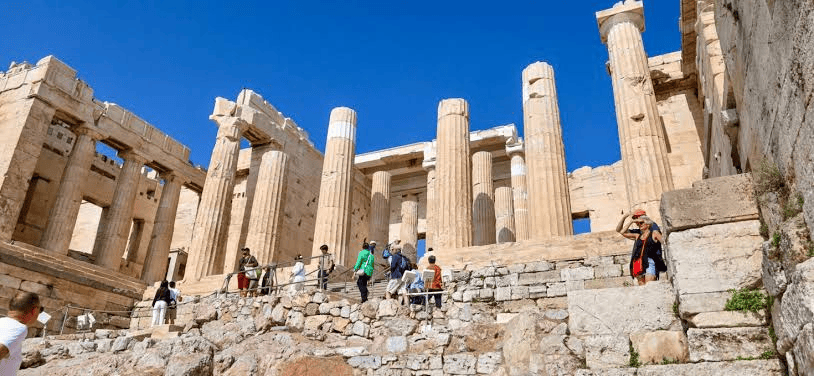
Planning your first visit to Greece can feel overwhelming, especially when deciding how to make the most of your time in its historic capital. This Athens travel guide is designed to help first-time visitors experience the city's ancient landmarks, vibrant neighborhoods, authentic Greek cuisine, and breathtaking viewpoints in just three unforgettable days. Whether you are interested in history, culture, food, or local experiences, this itinerary will help you enjoy the very best of Athens, Greece while traveling at a comfortable pace.
Why Visit Athens, Greece?
Athens is one of the oldest continuously inhabited cities in the world and is often called the birthplace of democracy and Western civilization. Beyond its famous archaeological sites, the city offers lively markets, charming streets, modern cafés, rooftop restaurants, and welcoming locals.
Travelers often come to Athens to see the Acropolis, but they quickly discover that the city's character extends far beyond its ancient monuments. Walking through colorful neighborhoods like Plaka and Monastiraki gives visitors a deeper appreciation for the city's blend of history and contemporary Greek culture.
Whether you are spending a weekend or beginning a longer journey through Greece, Athens provides the perfect introduction to the country.
Day 1: Discover the Ancient Wonders of Athens
Your first day should focus on the landmarks that have made Athens famous around the world.
Begin your morning at the Acropolis, arriving early to avoid the largest crowds and warmer afternoon temperatures. The Acropolis stands proudly above the city and offers spectacular panoramic views. As you explore the site, you will see iconic structures including the Parthenon, the Erechtheion, and the Temple of Athena Nike. Each monument tells part of the story of ancient Greece and showcases remarkable classical architecture.
After leaving the Acropolis, visit the nearby Acropolis Museum. The museum houses impressive sculptures, artifacts, and exhibits that provide valuable historical context for what you have just explored. Its modern design creates a beautiful contrast with the ancient treasures displayed inside.
Enjoy lunch in Plaka, one of Athens' oldest neighborhoods. Its narrow streets are lined with traditional tavernas, local boutiques, and inviting cafés. Sampling authentic Greek dishes such as souvlaki, moussaka, fresh seafood, or Greek salad offers a delicious introduction to local cuisine.
In the afternoon, continue walking through Anafiotika, a peaceful district tucked beneath the Acropolis. The whitewashed houses, colorful flowers, and quiet alleys resemble a small Greek island despite being located in the heart of Athens.
End your first day by watching the sunset from Areopagus Hill. This viewpoint offers one of the city's most memorable evening panoramas as the Acropolis glows against the changing sky.
Day 2: Explore Local Culture and Historic Neighborhoods
Your second day combines Athens' rich history with its lively modern atmosphere.
Start at Syntagma Square, where visitors gather to watch the ceremonial changing of the Presidential Guard outside the Hellenic Parliament. The traditional uniforms and precise movements make this a fascinating cultural experience.
From the square, stroll through the National Garden, a peaceful green space filled with shaded pathways, trees, and quiet seating areas. It provides a relaxing break from the busy city streets.
Continue toward the Temple of Olympian Zeus, once among the largest temples in the ancient world. Although only a portion of its original columns remain standing, the site still demonstrates the impressive scale of ancient Greek engineering.
Afterward, walk to Hadrian's Arch before making your way toward Monastiraki Square. This lively district combines shopping, street performances, local markets, and excellent food. Visitors can browse handmade crafts, antiques, leather goods, jewelry, and traditional Greek souvenirs.
Take time to enjoy lunch at one of the many family-owned restaurants serving authentic Greek specialties prepared with fresh local ingredients.
During the afternoon, visit the Ancient Agora. Once the center of political, commercial, and social life in ancient Athens, the Agora allows visitors to imagine daily life thousands of years ago. The Temple of Hephaestus remains one of the best-preserved ancient Greek temples and is a highlight of the archaeological site.
As evening approaches, enjoy dinner at a rooftop restaurant overlooking the illuminated Acropolis. The combination of excellent Greek cuisine and stunning nighttime views creates one of the most memorable dining experiences in Athens.
Day 3: Experience Modern Athens and Hidden Gems
Your final day offers an opportunity to discover another side of Athens beyond its most famous landmarks.
Begin your morning in Kolonaki, one of the city's most elegant neighborhoods. Here you will find fashionable boutiques, stylish cafés, art galleries, and quiet streets ideal for a leisurely walk.
Coffee culture is an important part of daily life in Greece, so take time to relax at a local café while enjoying traditional Greek coffee or an iced freddo espresso.
Next, visit Mount Lycabettus, the highest point in Athens. Visitors may hike to the summit or take the funicular railway. The panoramic views stretch across the city toward the Aegean Sea, making it one of the best photography locations in Athens.
Spend your afternoon exploring the Central Market, where locals shop for fresh produce, seafood, spices, olives, cheeses, and traditional Greek ingredients. This vibrant marketplace offers an authentic glimpse into everyday life.
Nearby streets feature bakeries serving fresh pastries, including spanakopita and sweet desserts made with honey and nuts.
If your schedule allows, visit one of Athens' excellent museums, such as the National Archaeological Museum or the Museum of Cycladic Art. Both provide deeper insight into Greece's fascinating cultural heritage.
Complete your final evening with a leisurely walk through the illuminated streets of Plaka or Monastiraki before enjoying one last authentic Greek dinner.
Best Time to Visit Athens
Athens welcomes visitors throughout the year, but spring and autumn are often considered the most comfortable seasons. Mild temperatures make sightseeing much more enjoyable, while outdoor cafés and attractions remain lively.
Summer brings longer daylight hours and energetic nightlife, although temperatures can become quite hot during the afternoon. Winter offers fewer crowds and lower accommodation prices while still allowing visitors to enjoy many historical attractions.
Getting Around Athens
Athens has an efficient transportation network that makes traveling between attractions relatively easy.
The metro connects the airport with the city center and serves many popular tourist destinations. Buses and trams provide additional transportation options, while taxis are widely available.
Many of Athens' most famous attractions are located within walking distance of one another. Comfortable walking shoes are recommended since several historic streets feature uneven stone surfaces.
Local Food You Should Try
Greek cuisine is one of the highlights of any visit to Athens.
Fresh ingredients, olive oil, herbs, seafood, grilled meats, and locally produced cheeses define many traditional dishes. Popular meals include souvlaki, gyros, moussaka, grilled octopus, stuffed vegetables, and Greek salad.
Desserts such as baklava, loukoumades, and galaktoboureko offer a sweet finish after a day of sightseeing.
Dining in neighborhood tavernas provides not only delicious meals but also opportunities to experience genuine Greek hospitality.
Helpful Travel Tips for First-Time Visitors
Starting your sightseeing early helps avoid larger crowds and warmer afternoon temperatures, especially during summer.
Carry a reusable water bottle while exploring the city, as walking between historical sites can involve several hours outdoors.
Comfortable footwear is essential because many archaeological sites include marble pathways and uneven terrain.
Keeping some cash for smaller shops and local markets can also be useful, although credit cards are widely accepted throughout Athens.
Learning a few simple Greek greetings is appreciated by many locals and adds a friendly touch to your travel experience.
Conclusion
A three-day visit offers enough time to experience the highlights of Athens while also discovering its local charm. From exploring the magnificent Acropolis and wandering through Plaka to enjoying rooftop dining and panoramic viewpoints, every day introduces visitors to another layer of this remarkable city. Whether you are passionate about history, architecture, food, or culture, Athens delivers unforgettable experiences that leave travelers eager to return. For expertly planned local insights and memorable experiences during your stay, Wander Athens is an excellent companion for discovering the authentic beauty of Athens, Greece.
FAQs
Is three days enough to explore Athens?
Yes. Three days allow visitors to experience major attractions such as the Acropolis, Acropolis Museum, Ancient Agora, Plaka, Monastiraki, Syntagma Square, and Mount Lycabettus while also enjoying local food and neighborhood walks. Although a longer stay offers additional opportunities, three days provide an excellent introduction to Athens.
What is the best month to visit Athens, Greece?
April, May, September, and October are among the best months to visit because temperatures are pleasant, outdoor sightseeing is comfortable, and tourist crowds are generally smaller than during peak summer. These seasons are ideal for exploring Athens on foot.
Is Athens easy to explore without a car?
Yes. Most popular attractions in central Athens are within walking distance of each other. The metro system is reliable, affordable, and connects visitors with the airport and major landmarks. Many travelers find that a car is unnecessary during their stay in the city.
What should first-time visitors wear while sightseeing?
Comfortable walking shoes are highly recommended because many historical sites have uneven stone paths and marble surfaces. During warmer months, lightweight clothing, sunscreen, sunglasses, and a hat help visitors stay comfortable while exploring outdoor attractions.
What foods should I try during my first trip to Athens?
First-time visitors should try traditional Greek dishes including souvlaki, gyros, moussaka, Greek salad, grilled seafood, spanakopita, baklava, and loukoumades. Dining at local tavernas throughout Athens offers an authentic taste of Greek hospitality and regional flavors.

 English
 Arabic
 French
 Spanish
 Portuguese
 Deutsch
 Turkish
 Dutch
Dutch
 Italiano
 Romaian
 Portuguese (Brazil)
 Greek
Greek
