Industrial manufacturing processes generate large amounts of dust during cutting, grinding, crushing, mixing, sanding, packaging, and material handling operations. If left uncontrolled, airborne dust can spread throughout production areas, accumulate on machinery, affect product quality, and reduce operational efficiency. This is why a Dust Collector has become an essential component of modern industrial facilities.
From woodworking and pharmaceuticals to cement plants and metal fabrication units, industries rely on Dust Collectors to capture dust at the source and maintain cleaner production environments. As industrial operations continue to expand, investing in an efficient dust collection solution helps businesses improve productivity, reduce maintenance requirements, and support long-term equipment performance.
What Is a Dust Collector?
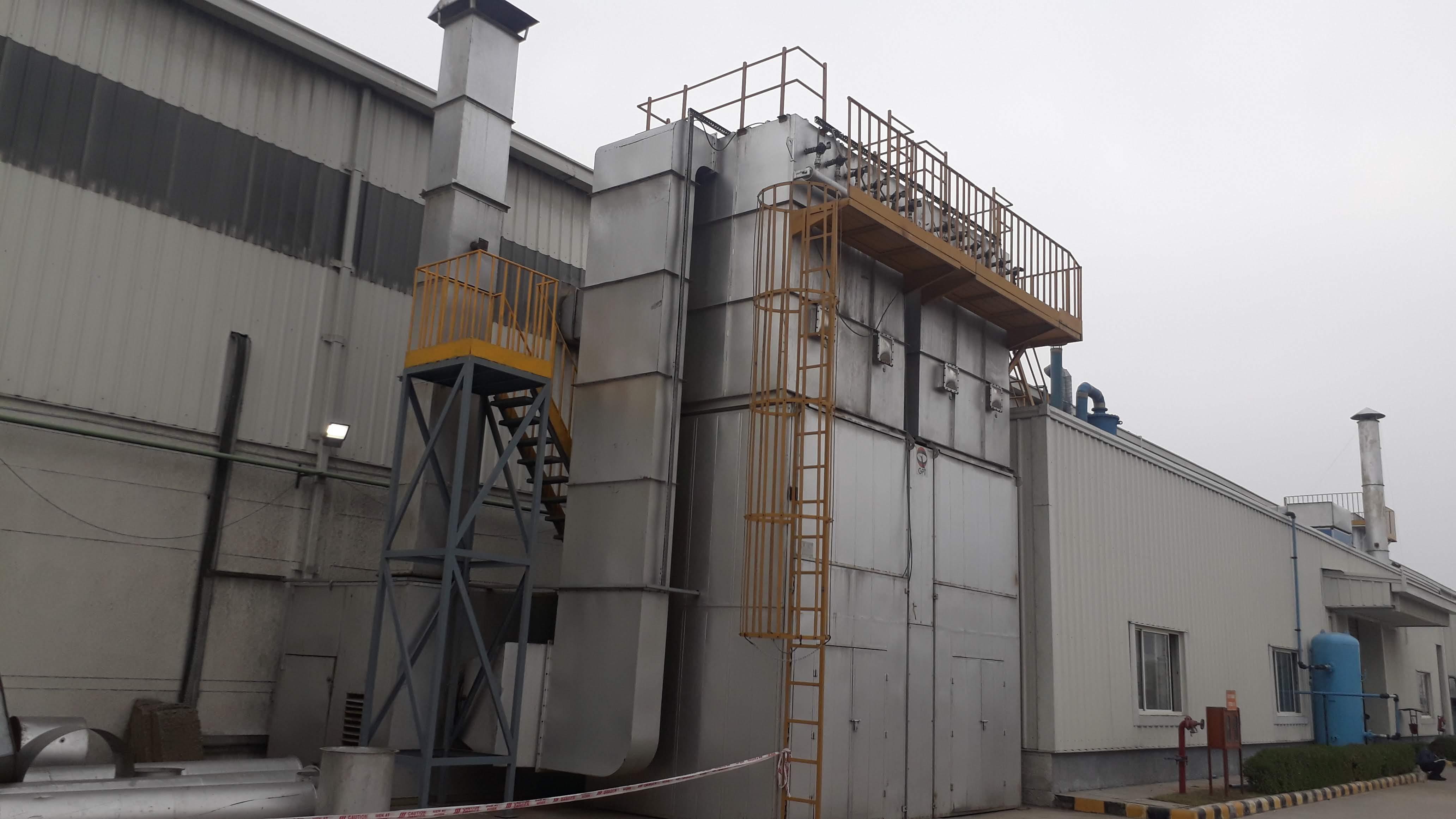
A Dust Collector is an industrial air filtration system designed to remove dust particles from contaminated air generated during manufacturing processes. The system captures dust directly from the source and separates contaminants from the airflow before releasing clean air back into the environment.
Modern Dust Collectors are available in various configurations depending on the application. They can handle fine powder, wood dust, metal particles, chemical dust, cement dust, and other industrial contaminants.
A properly engineered Dust Collector plays a critical role in an overall Dust Collection System and Air Pollution Control System.
How Does a Dust Collector Work?
The operation of a Dust Collector begins at the point where dust is generated. Collection hoods or extraction points capture airborne particles before they spread throughout the facility.
The contaminated air is transported through ductwork using Centrifugal Blowers. Once inside the Dust Collector, the air passes through filtration media such as Filter Bags or cartridge filters.
Dust particles are trapped within the filtration system while clean air continues through the unit. In advanced Pulse Jet Bag Filter systems, compressed air pulses automatically clean the filters to maintain efficient airflow and consistent performance.
Collected dust is discharged through a Rotary Air Lock into a storage hopper or collection bin.
Benefits of Installing a Dust Collector
An efficient Dust Collector provides multiple advantages for industrial operations.
The most obvious benefit is improved workplace cleanliness. By continuously removing airborne contaminants, the system helps keep production areas cleaner and more organized.
Dust collection systems also reduce dust accumulation on machinery and equipment, helping improve operational efficiency and reduce maintenance costs.
Facilities that generate significant amounts of particulate matter often experience smoother production processes when dust is effectively controlled at the source.
In addition, high-efficiency Dust Collectors help maintain consistent airflow and reliable filtration performance over long operating periods.
Types of Dust Collectors
Different industries require different dust collection technologies.
A Wood Dust Collector is specifically designed for woodworking applications and effectively captures sawdust and fine wood particles.
A Cyclone Dust Collector uses centrifugal force to separate larger particles before filtration.
A Multicyclone Dust Collector incorporates multiple cyclone chambers to improve separation efficiency.
Portable Dust Collectors provide flexibility for workshops and localized dust control applications.
Pulse Jet Bag Filters offer automatic cleaning and high filtration efficiency, making them suitable for continuous industrial operations.
The choice depends on dust characteristics, airflow requirements, and production volume.
Industries That Use Dust Collectors
Dust Collectors are used across a wide variety of industrial sectors.
Woodworking facilities use them to manage dust generated by cutting, routing, sanding, and machining operations.
Metal fabrication plants depend on Dust Extractors and Dust Collectors for grinding, polishing, and finishing applications.
Food processing facilities use dust collection systems to handle flour, sugar, spices, and powdered ingredients.
Pharmaceutical manufacturers require advanced dust control systems to manage fine process dust.
Chemical plants, plastics industries, cement manufacturers, packaging facilities, recycling operations, and engineering workshops also rely on industrial Dust Collectors.
How to Choose the Right Dust Collector
Choosing the correct Dust Collector requires evaluating several important factors.
The type of dust being generated is one of the first considerations. Fine powders, abrasive materials, and fibrous dust each require different filtration solutions.
Airflow volume, filtration efficiency, maintenance requirements, and future production expansion should also be considered.
Facilities with multiple dust-generating points may benefit from centralized Dust Collection Systems, while smaller operations may require localized or portable units.
Working with experienced Dust Collector manufacturers helps ensure the system is properly designed for long-term performance.
Why GPT-INDIA Is a Trusted Dust Collector Manufacturer
GPT-INDIA specializes in designing and manufacturing customized Dust Collectors for diverse industrial applications. The company provides complete dust management solutions engineered to meet specific process requirements.
Its product range includes Dust Collectors, Wood Dust Collectors, Portable Dust Collectors, Cyclone Dust Collectors, Multicyclone Dust Collectors, Dust Extractors, Pulse Jet Bag Filters, Bag Filters, Filter Bags, Wet Scrubbers, Venturi Scrubbers, Biogas Scrubbers, Activated Carbon Filters, Water Curtain Paint Booths, Fume Extraction Systems, Fume Exhaust Systems, Air Washer Systems, Rotary Air Locks, Axial Flow Fans, Centrifugal Blowers, and complete Air Pollution Control Systems.
GPT-INDIA
59/2/1, Site 4, Industrial Area, Sahibabad, Ghaziabad – 201010, Uttar Pradesh, India
Phone: +91-9773500660
Website: gptindia.in
Frequently Asked Questions
What is a Dust Collector used for?
A Dust Collector captures and removes airborne dust generated during industrial manufacturing and material handling operations.
Which industries commonly use Dust Collectors?
Woodworking, pharmaceuticals, food processing, cement manufacturing, metal fabrication, chemicals, plastics, and packaging industries commonly use Dust Collectors.
What is the difference between a Dust Collector and a Dust Collection System?
A Dust Collector is the filtration equipment, while a Dust Collection System includes hoods, ducts, blowers, filters, and dust discharge components.
How efficient are modern Dust Collectors?
High-quality Dust Collectors equipped with advanced Filter Bags or cartridge filters can achieve filtration efficiencies above 99%.
Why choose GPT-INDIA Dust Collectors?
GPT-INDIA offers customized industrial Dust Collectors designed for high filtration efficiency, reliable operation, low maintenance, and long service life.
Conclusion
A Dust Collector is an essential investment for industries seeking cleaner production environments and efficient dust management. By capturing airborne contaminants at the source, these systems help improve operational efficiency, reduce equipment maintenance, and support long-term manufacturing performance. Whether your facility requires a Wood Dust Collector, Cyclone Dust Collector, Portable Dust Collector, or a complete centralized Dust Collection System, GPT-INDIA provides engineered solutions tailored to the needs of modern industries.


 English
 Arabic
 French
 Spanish
 Portuguese
 Deutsch
 Turkish
 Dutch
Dutch
 Italiano
 Russian
 Portuguese (Brazil)
 Greek
Greek
