
Improving Efficiency in Ocean Freight Operations Through Technology
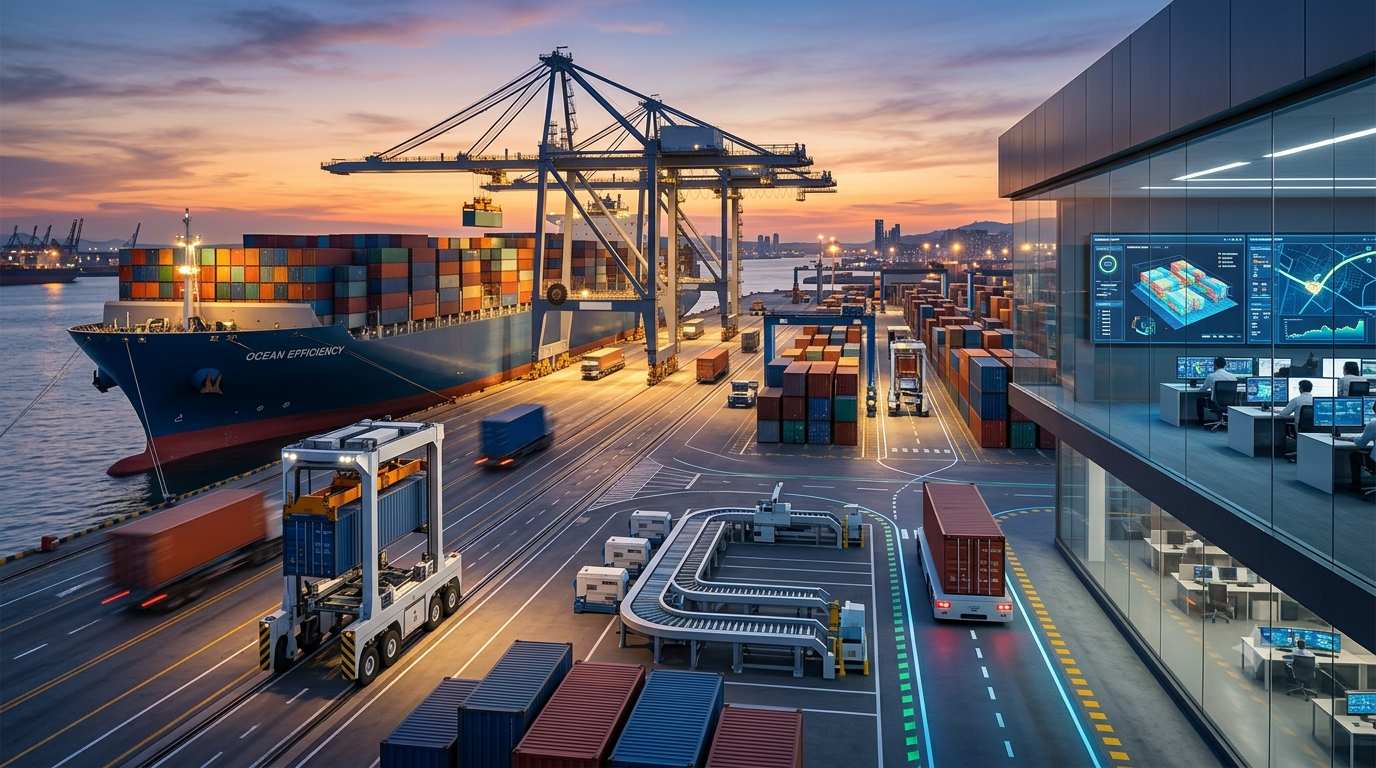
Ocean freight is the foundation of global commerce, transporting large volumes of cargo between countries in a cost-effective and reliable manner. As international trade continues to grow, shipping companies are under increasing pressure to improve efficiency, reduce operational costs, and meet customer expectations for faster and more transparent logistics services. Businesses that partner with a trusted offshore butterfly valve supplier Asia understand that technology-driven operations play an essential role in ensuring the timely delivery of marine equipment and supporting uninterrupted vessel performance.
Technological innovation has transformed nearly every aspect of maritime logistics, from cargo tracking and fleet management to predictive maintenance and digital documentation. Organizations such as RMS Marine Service recognize that embracing modern technology enables shipping companies to streamline operations, improve supply chain visibility, and enhance decision-making across the entire logistics network. As digital transformation continues, technology has become one of the most valuable tools for increasing efficiency in ocean freight operations.
The Growing Importance of Technology in Ocean Freight
Traditional shipping processes often relied on manual documentation, limited shipment visibility, and time-consuming communication between multiple stakeholders. While these methods supported global trade for decades, they frequently resulted in delays, administrative errors, and higher operational costs.
Today, advanced digital technologies allow shipping companies to automate many routine processes while gaining real-time visibility into cargo movements and vessel operations. These improvements help businesses respond more quickly to changing market conditions and improve overall logistics performance.
Technology is no longer a competitive advantage alone—it has become a necessity for organizations seeking long-term success in the maritime industry.
Real-Time Cargo Tracking
One of the most significant technological advancements in ocean freight is real-time cargo tracking. Modern tracking systems use satellite communication, GPS technology, and Internet of Things (IoT) sensors to monitor cargo throughout its journey.
The benefits include:
- Accurate shipment visibility
- Improved delivery forecasting
- Faster issue identification
- Better customer communication
- Reduced cargo uncertainty
Real-time tracking enables logistics teams to make informed decisions while keeping customers updated on shipment progress.
Digital Documentation and Paperless Operations
Shipping involves extensive documentation, including bills of lading, customs declarations, invoices, inspection reports, and cargo manifests.
Digital documentation systems help eliminate many inefficiencies associated with paper-based processes by:
- Reducing administrative workload
- Improving document accuracy
- Accelerating customs clearance
- Simplifying record management
- Supporting regulatory compliance
Paperless operations also contribute to environmental sustainability by reducing paper consumption and storage requirements.
Artificial Intelligence for Logistics Planning
Artificial intelligence (AI) is becoming an increasingly valuable tool in ocean freight operations. AI-powered software analyzes large volumes of operational data to improve logistics planning and resource allocation.
AI applications include:
- Route optimization
- Demand forecasting
- Cargo planning
- Predictive scheduling
- Operational performance analysis
These capabilities enable shipping companies to improve efficiency while reducing transportation costs and delivery delays.
Internet of Things (IoT) Integration
IoT technology allows sensors to collect and transmit real-time operational data from vessels, cargo containers, and port equipment.
IoT solutions help monitor:
- Cargo conditions
- Equipment performance
- Fuel consumption
- Temperature-sensitive shipments
- Vessel operating systems
Continuous monitoring enables operators to identify potential issues before they affect operations, improving reliability and reducing unexpected disruptions.
Predictive Maintenance Technologies
Equipment failures can cause costly operational delays and disrupt shipping schedules. Predictive maintenance uses sensor data and advanced analytics to identify maintenance requirements before breakdowns occur.
Predictive maintenance provides several advantages:
- Reduced equipment downtime
- Lower maintenance expenses
- Improved machinery reliability
- Better maintenance planning
- Extended equipment lifespan
This proactive approach minimizes emergency repairs while supporting uninterrupted vessel operations.
Smart Port Technologies
Modern ports are increasingly adopting automation and digital technologies to improve cargo handling efficiency.
Smart port solutions include:
- Automated cranes
- Digital terminal management
- Electronic gate systems
- Container tracking platforms
- Integrated logistics software
These technologies reduce vessel turnaround times while improving cargo handling accuracy and port productivity.
Advanced Fleet Management Systems
Fleet management software provides shipping companies with centralized control over vessel operations.
These systems support:
- Voyage planning
- Fuel monitoring
- Crew management
- Maintenance scheduling
- Performance reporting
Centralized fleet management improves operational coordination while enabling better utilization of vessels and resources.
Strengthening Supply Chain Visibility
Technology has significantly improved visibility throughout global supply chains. Integrated digital platforms connect suppliers, warehouses, logistics providers, ports, and shipping companies through shared operational information.
Improved visibility enables organizations to:
- Monitor inventory levels
- Track shipments
- Coordinate deliveries
- Improve supplier collaboration
- Respond quickly to disruptions
Greater transparency strengthens decision-making while reducing operational uncertainty.
Enhancing Cybersecurity in Maritime Operations
As shipping companies become increasingly dependent on digital technologies, protecting operational systems from cyber threats has become a critical priority.
Effective cybersecurity strategies include:
- Secure network infrastructure
- Multi-factor authentication
- Employee cybersecurity training
- Regular software updates
- Continuous system monitoring
Strong cybersecurity protects sensitive operational data while ensuring uninterrupted logistics activities.
Supporting Sustainable Shipping Practices
Technology also contributes to environmental sustainability within ocean freight operations.
Digital innovations help reduce emissions by:
- Optimizing shipping routes
- Improving fuel efficiency
- Monitoring engine performance
- Reducing idle time
- Supporting energy-efficient vessel operations
These improvements allow shipping companies to meet environmental regulations while lowering operational costs.
Preparing for the Future of Ocean Freight
Emerging technologies such as blockchain, machine learning, autonomous vessels, and advanced analytics will continue transforming ocean freight operations over the coming years.
Shipping companies that invest in digital transformation today will be better positioned to improve service quality, strengthen operational resilience, and remain competitive in the evolving global logistics market.
Organizations working with an experienced offshore butterfly valve supplier Asia also benefit from improved digital coordination, efficient equipment availability, and responsive technical support that contribute to smoother vessel maintenance and uninterrupted maritime operations.
Conclusion
Technology has become a driving force behind the modernization of ocean freight operations. From real-time cargo tracking and predictive maintenance to artificial intelligence, IoT integration, digital documentation, and smart port technologies, innovation is helping shipping companies improve efficiency, reduce costs, and enhance customer satisfaction. Companies such as RMS Marine Service continue to support the maritime industry by providing dependable marine services and technical expertise that complement today's technology-driven logistics environment. As digital transformation continues to shape global shipping, organizations that embrace modern technologies will be better equipped to achieve operational excellence, strengthen supply chains, and support the continued growth of international trade.

 English
 Arabic
 French
 Spanish
 Portuguese
 Deutsch
 Turkish
 Dutch
Dutch
 Italiano
 Russian
 Romaian
 Portuguese (Brazil)
