
How Car Inspection Services Help You Avoid Costly Repairs
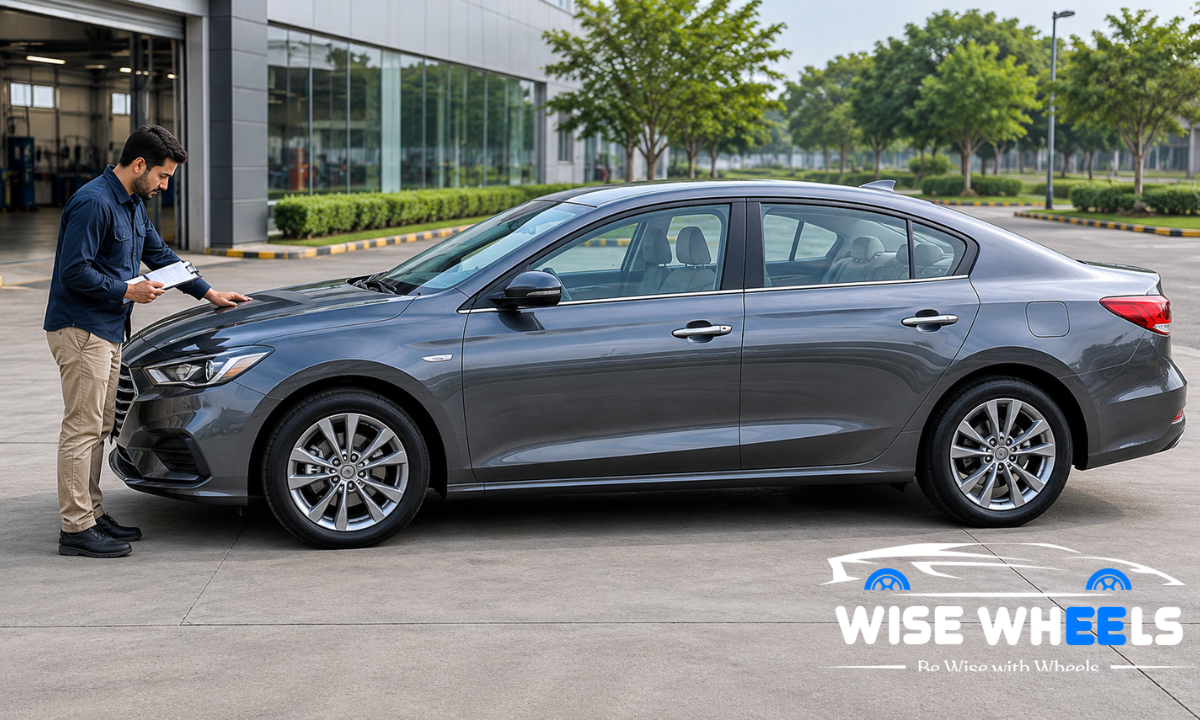
Buying or owning a car can feel exciting, but it also comes with a quiet risk. A car may look clean from the outside, the engine may start smoothly, and the seller may sound confident, yet hidden problems can still be sitting under the surface. Many drivers only discover these problems after they have already spent their money. By then, the small issue that could have been fixed early often turns into a heavy repair bill.
This is why a proper car inspection matters. It is not just for people buying used cars. It is also useful for anyone who wants to keep their current vehicle in good condition. A trained inspector can notice things that an average driver may miss, such as weak suspension, oil leakage, poor engine health, worn brake parts, accident repairs, or signs of poor maintenance. These details can save you from stress, surprise expenses, and unsafe driving.
In Pakistan, where road conditions, weather, traffic, and fuel quality can affect a car’s health, inspection becomes even more important. Before making a purchase or delaying maintenance, using Car Inspection Services can help you understand the real condition of the vehicle and make a smarter decision.
Why Car Inspection Is More Important Than Most People Think
Many people judge a car by its paint, interior, mileage, and model year. These things matter, but they do not tell the full story. A car with shiny paint may have engine problems. A vehicle with a neat interior may have been in a serious accident. Even low mileage is not always proof that the car is in perfect condition.
A detailed inspection looks beyond appearances. It checks the car’s mechanical, electrical, and structural condition. This gives the owner or buyer a clearer picture of what is actually going on. Instead of depending only on the seller’s words, you get a professional opinion based on physical checks, test results, and experience.
For example, a buyer may think a used sedan is a good deal because the price is slightly lower than the market. After inspection, they may find out that the car has a weak transmission, repaired chassis, and pending suspension work. What looked like a bargain could become a financial headache. In this case, the inspection does not just save money; it saves the buyer from making the wrong decision.
Small Problems Can Become Expensive Repairs
Cars usually do not fail without warning. Most major repairs start as small issues. A minor oil leak, a weak battery, a strange engine sound, or uneven tyre wear can all point toward bigger trouble. The problem is that many drivers ignore these signs because the car still runs.
An inspection helps catch these early signs. If a mechanic finds a small coolant leak, it can be fixed before the engine overheats. If brake pads are wearing out, they can be replaced before they damage the brake discs. If the tyres are wearing unevenly, it may point to an alignment or suspension issue that needs attention.
Think of it like visiting a doctor for a routine check-up. You may feel fine, but a check-up can reveal something that needs care before it becomes serious. A car inspection works in the same way. It gives you a chance to act early instead of waiting for a breakdown.
How Inspections Help Before Buying a Used Car
Buying a used car without inspection is one of the most common mistakes people make. Sellers often highlight the good points of a vehicle, but they may not mention the hidden problems. Sometimes even the seller may not know the actual condition of the car.
A pre-purchase inspection helps protect the buyer. It checks important areas such as the engine, transmission, suspension, brakes, tyres, body frame, paint condition, electrical system, and interior functions. This gives you a better idea of whether the asking price is fair.
For instance, if a car is advertised as “total genuine,” an inspection can confirm whether the paint is original or if some panels have been repainted. If the vehicle has been involved in an accident, signs such as uneven panel gaps, welding marks, paint differences, and chassis repairs may be detected. These findings can affect the car’s value and safety.
This does not always mean you should walk away from the car. Sometimes the inspection simply gives you room to negotiate. If the car needs new tyres, brake work, or suspension repair, you can ask the seller to reduce the price. In this way, inspection helps you buy with confidence instead of guessing.
Engine Problems Are Often Hidden at First
The engine is the heart of the car, and engine repairs can be among the most expensive. Unfortunately, engine problems are not always obvious during a short test drive. A car may start easily and still have weak compression, oil burning, overheating history, or poor maintenance.
During an inspection, the engine bay is checked for leaks, unusual sounds, smoke, belt condition, fluid levels, and warning signs. The inspector may also observe how the engine behaves when cold and warm. This can reveal problems that are easy to miss during a casual look.
A practical example is white smoke from the exhaust. Some buyers may ignore it, thinking it is normal. But it can sometimes point to coolant entering the combustion chamber, which may lead to a major engine repair. Similarly, blue smoke may suggest oil burning. These signs should never be taken lightly.
Regular car health checks also help current owners avoid engine damage. Changing oil on time is important, but it is not enough. A trained eye can spot early warning signs before they turn into expensive repairs.
Brake and Suspension Checks Can Save More Than Money
Brakes and suspension are directly linked to safety. If these systems are weak, the car may not stop properly, handle correctly, or remain stable on rough roads. In cities like Karachi, Lahore, Islamabad, Rawalpindi, Faisalabad, and other busy areas, sudden braking and uneven roads are part of daily driving. A weak braking system can put the driver, passengers, and others at risk.
A proper inspection checks brake pads, discs, brake oil condition, shock absorbers, control arms, bushes, ball joints, and related parts. These components wear out over time, especially on roads with potholes and speed bumps.
A driver may hear a knocking sound while crossing bumps and continue driving for months. Later, they may discover that worn suspension parts have also damaged the tyres and affected wheel alignment. What started as a simple repair becomes a larger bill. Inspection helps prevent this chain reaction.
Electrical Issues Can Be Tricky and Costly
Modern cars depend heavily on electronics. Power windows, sensors, lights, infotainment systems, air conditioning, engine management, airbags, ABS, and many other systems need proper electrical function. A small electrical fault can become frustrating because it may not appear all the time.
During an inspection, electrical parts are tested to make sure they are working properly. Warning lights on the dashboard are also checked. Some sellers may reset warning lights before showing the car, but a professional inspection can still detect stored faults through diagnostic tools.
For example, an ABS warning light may seem minor to some buyers, but it can indicate a braking system fault. An airbag warning light can mean the safety system may not work during an accident. Ignoring such issues can be dangerous and expensive.
Body and Frame Inspection Protects You From Accident Cars
One of the biggest risks in the used car market is buying an accident-repaired vehicle without knowing it. Some cars are repaired so neatly that an ordinary buyer cannot tell. Fresh paint, polish, and detailing can hide serious bodywork.
A professional inspection checks the body panels, paint thickness, frame condition, welding marks, pillars, engine bay structure, trunk area, and alignment of panels. This helps identify whether the car has been repainted, repaired, or structurally damaged.
A minor repaint on a bumper is not always a big issue. Cars get scratches and small dents in normal use. But damage to the pillars, frame, or chassis is much more serious. It can affect safety, resale value, and long-term performance. Knowing this before buying helps you avoid a bad investment.
Inspections Help You Understand the Real Market Value
A car’s price should match its condition. Two cars of the same model and year can have very different values depending on maintenance, accident history, mileage, engine health, and overall condition. Without inspection, it is hard to know whether the price is fair.
A clean, well-maintained car may be worth paying extra for because it can save money later. On the other hand, a cheaper car with hidden problems may cost much more after repairs. Inspection helps you compare value properly.
For example, suppose one car is priced slightly higher but has original paint, smooth engine performance, good tyres, and complete maintenance records. Another car is cheaper but needs suspension work, has repainted panels, and shows signs of engine leakage. The cheaper option may not be cheaper in the long run.
Regular Inspections Are Useful Even If You Are Not Selling or Buying
Many people think inspection is only needed before buying a car. In reality, regular inspection can help you maintain your current vehicle better. This is especially useful before long trips, after monsoon season, before summer, or when the car starts feeling different.
Before a family trip, for example, checking brakes, tyres, fluids, battery, AC performance, belts, and cooling system can prevent trouble on the road. A breakdown during travel is not only expensive but also stressful and unsafe.
Seasonal inspection also matters in Pakistan. In hot weather, weak cooling systems and old batteries often fail. During rain, poor tyres, weak wipers, and electrical issues can create problems. A timely check helps you prepare the car for changing conditions.
What a Good Car Inspection Should Include
A proper inspection should be detailed, not rushed. It should cover the engine, transmission, brakes, suspension, steering, tyres, body, paint, frame, interior, AC, electrical system, lights, fluids, and road test. The inspector should explain the findings in simple words so the customer understands what needs urgent attention and what can be handled later.
A good inspection report should not only say “good” or “bad.” It should give clear details. For example, instead of simply saying the suspension is weak, it should mention which part needs attention. Instead of saying the car is repainted, it should explain which panels are affected.
This kind of detail helps you plan repairs, negotiate price, or decide whether the car is worth buying.
Practical Tips Before Getting a Car Inspected
Try to inspect the car in daylight because paint differences, dents, rust, and body repairs are easier to notice. Avoid making a final decision after seeing the car at night or in poor lighting. Also, do not rely only on a short drive around the block. Some problems appear only after the car runs for a while.
Ask for maintenance records if available. Service history can tell you how well the car was cared for. Check whether oil changes, brake work, tyre replacement, and major repairs were done on time. A car with proper records usually gives more confidence.
Do not let emotions control the decision. Sometimes buyers like the colour, shape, or features so much that they ignore warning signs. A car should be attractive, but it should also be mechanically sound. Inspection gives you a balanced view.
How Inspection Saves Money in the Long Run
The cost of inspection is usually small compared to the cost of major repairs. A damaged transmission, overheated engine, faulty ABS system, or repaired frame can cost a lot more than a simple inspection fee. More importantly, inspection helps you avoid buying someone else’s problem.
Even for current owners, inspections reduce unexpected expenses. When you repair small issues early, you protect related parts from damage. Replacing worn brake pads on time protects the discs. Fixing alignment protects the tyres. Repairing leaks protects the engine. Maintaining the cooling system prevents overheating.
In simple words, inspection helps you spend money wisely instead of suddenly.
Conclusion
Car inspection is a simple step that can save you from expensive repairs, unsafe driving, and poor buying decisions. Whether you are buying a used car or maintaining your current one, knowing the real condition of the vehicle gives you peace of mind. For buyers in Pakistan who want a safer and smarter car-buying experience, Wise Wheels Pakistan is a helpful option to consider before making a final decision.
FAQs
Q: How often should I get my car inspected?
A: It is smart to get your car inspected at least once a year. You should also consider inspection before a long trip, before buying a used car, after noticing strange sounds, or when the car feels different while driving.
Q: Can a car look perfect and still have serious problems?
A: Yes, it can. A polished exterior and clean interior do not always mean the car is mechanically healthy. Engine issues, accident repairs, electrical faults, and suspension problems can be hidden from a normal buyer.
Q: Is car inspection useful for new drivers?
A: Yes, it is very useful. New drivers may not know how to judge engine noise, brake condition, tyre wear, or accident signs. A professional inspection gives them clear information and helps them avoid poor decisions.
Q: Can inspection help me negotiate the car price?
A: Yes. If the inspection shows repair work, repainting, worn tyres, weak suspension, or other issues, you can use that information to negotiate a fair price with the seller.
Q: Does inspection guarantee that a car will never have problems?
A: No inspection can promise that a car will never develop problems in the future. However, a detailed inspection greatly reduces the risk by showing the current condition of the vehicle and highlighting possible trouble areas.

 English
 Arabic
 Spanish
 Portuguese
 Deutsch
 Turkish
 Dutch
Dutch
 Italiano
 Russian
 Romaian
 Portuguese (Brazil)
 Greek
Greek
