
Thin Endometrium Ayurvedic Treatment | Natural Ways to Support Uterine Health
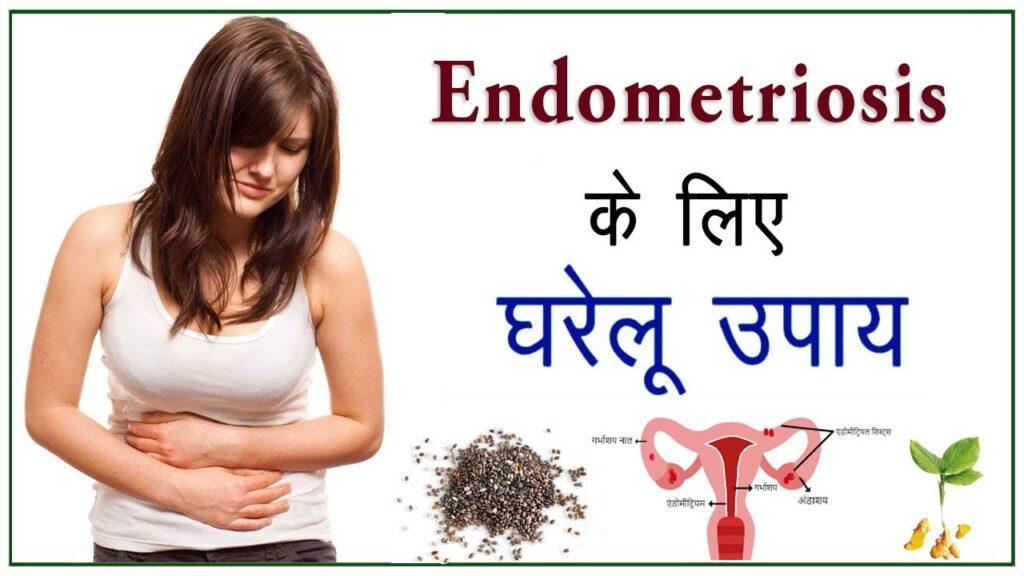
A healthy uterine lining plays an important role in female reproductive health and pregnancy. The endometrium is the inner lining of the uterus, which naturally changes throughout the menstrual cycle. It becomes thicker to prepare for a possible pregnancy and provides a suitable environment for embryo implantation. However, when the lining remains thinner than expected, it is known as a thin endometrium. Thin Endometrium Ayurvedic Treatment is an option some women explore to support reproductive wellness alongside appropriate medical care.
What Is Thin Endometrium?
Thin endometrium refers to a uterine lining that measures less than expected for a particular stage of the menstrual cycle. The thickness of the lining changes with hormonal fluctuations, especially estrogen levels. A thin uterine lining may sometimes be associated with difficulty conceiving, although thickness alone does not determine whether pregnancy is possible.
A healthcare professional usually evaluates endometrial thickness through a pelvic ultrasound and considers menstrual history, hormone levels, and other reproductive factors.
Common Causes of Thin Endometrium
Several factors may contribute to a thin uterine lining. Understanding the possible causes is important before choosing any treatment.
Common causes include:
-
Low estrogen levels: Estrogen helps the uterine lining grow during the menstrual cycle.
-
Hormonal imbalance: Changes in reproductive hormones may affect endometrial development.
-
Poor blood circulation: Reduced blood flow may influence the health of uterine tissues.
-
Previous uterine procedures: Certain surgeries or repeated procedures may cause damage or scarring.
-
Uterine infections: Some infections can affect the endometrial tissue.
-
Chronic inflammation: Certain inflammatory conditions may interfere with normal uterine health.
-
Age-related changes: Reproductive hormone levels may change with age.
Identifying the underlying cause helps doctors recommend an appropriate treatment approach.
Thin Endometrium Ayurvedic Treatment: Understanding the Approach
Ayurveda focuses on overall health, reproductive wellness, digestion, lifestyle, and individual body constitution. Thin Endometrium Ayurvedic Treatment may involve personalized dietary recommendations, lifestyle changes, stress management, and selected traditional therapies.
The treatment plan should be prepared by a qualified Ayurvedic practitioner after understanding the patient's menstrual history and medical condition.
It is important to understand that scientific evidence is currently limited regarding the ability of Ayurvedic treatments to increase endometrial thickness or improve implantation rates. Ayurveda should not replace necessary fertility investigations or evidence-based medical treatment.
Ayurvedic Therapies for Female Reproductive Wellness
Some traditional Ayurvedic therapies may be considered as complementary wellness practices under professional supervision.
1. Panchakarma Therapy
Panchakarma is a traditional Ayurvedic approach involving different procedures selected according to individual needs. A qualified practitioner may discuss whether any procedure is appropriate. However, there is no established clinical evidence that Panchakarma directly increases endometrial thickness.
2. Uttar Basti
Uttar Basti is a specialized Ayurvedic procedure involving the administration of medicated substances through the reproductive or urinary passages. It should only be considered by appropriately qualified professionals in suitable clinical settings.
Its safety and effectiveness for treating thin endometrium have not been established through strong clinical trials. It should never be attempted independently.
3. Abhyanga
Abhyanga is a traditional Ayurvedic oil massage. It is commonly used for relaxation and general wellness. Although it may help some individuals feel relaxed, there is no reliable evidence that external oil massage directly thickens the uterine lining.
4. Yoga and Pranayama
Gentle yoga, breathing exercises, and meditation can support relaxation and emotional well-being. Managing stress may improve overall quality of life during fertility treatment, although yoga cannot be considered a proven treatment for thin endometrium.
Foods That Support Uterine and Reproductive Health
A balanced and nutritious diet is an important part of reproductive wellness. Women concerned about endometrial health can focus on a variety of nutrient-rich foods.
Consider including:
-
Green leafy vegetables: Spinach and broccoli provide folate and other essential nutrients.
-
Fresh fruits: Oranges, berries, apples, and pomegranates contribute vitamins and antioxidants.
-
Healthy fats: Nuts, seeds, and olive oil provide beneficial fats.
-
Protein-rich foods: Lentils, beans, eggs, and dairy products support general nutritional needs.
-
Whole grains: Oats, brown rice, and whole wheat provide fibre and energy.
-
Adequate water: Proper hydration supports normal body functions.
No particular food has been proven to increase endometrial thickness directly. A balanced diet can, however, help maintain general health.
Lifestyle Changes for Better Reproductive Health
Healthy daily habits can contribute to overall reproductive wellness. Consider these practical steps:
-
Maintain a healthy body weight.
-
Follow a regular sleep schedule.
-
Include moderate physical activity in your routine.
-
Avoid smoking and limit alcohol consumption.
-
Manage stress through meditation and relaxation.
-
Follow your doctor's advice regarding hormonal and fertility tests.
-
Avoid taking herbal supplements without professional guidance.
These habits support general health but cannot guarantee an increase in uterine lining thickness.
How Is Thin Endometrium Diagnosed?
A doctor may recommend a transvaginal ultrasound to measure the endometrial lining. The measurement is interpreted according to the menstrual cycle stage.
Additional investigations may include:
-
Hormonal blood tests.
-
Evaluation of ovulation.
-
Assessment of uterine structure.
-
Hysteroscopy when scarring or adhesions are suspected.
-
Further fertility investigations when pregnancy is being planned.
The appropriate tests depend on the patient's symptoms and medical history.
When Should You Consult a Doctor?
Women experiencing irregular periods, repeated implantation failure, difficulty conceiving, or concerns about uterine health should consult a qualified gynaecologist or fertility specialist.
Treatment depends on the underlying cause. Medical options may include addressing hormonal deficiencies, treating infections, or managing uterine adhesions where appropriate.
Ayurvedic care, if chosen, should be complementary and coordinated with the treating medical professional.
Conclusion
A healthy uterine lining is an important part of reproductive health. Thin Endometrium Ayurvedic Treatment may be explored as a complementary approach focusing on lifestyle, nutrition, and traditional wellness practices. However, its effectiveness for increasing endometrial thickness has not been scientifically established. Proper diagnosis, regular medical monitoring, and an individualized treatment plan are essential. Women planning pregnancy should seek guidance from qualified healthcare professionals to understand the available options and make informed decisions about their reproductive health.

 English
 Arabic
 French
 Spanish
 Portuguese
 Turkish
 Dutch
 Italiano
 Russian
 Romaian
 Portuguese (Brazil)
 Greek
