
What Are the Different Types of Wart Removal Treatments?
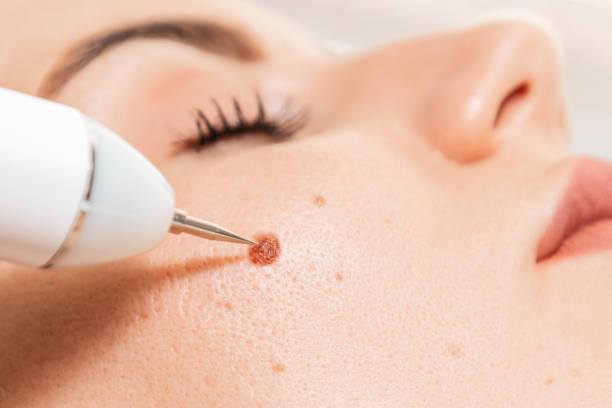
Warts are common skin growths caused by certain strains of the human papillomavirus (HPV). They can appear on different parts of the body, including the hands, feet, face, and around the nails. Although many warts are harmless, they may cause discomfort, spread to nearby skin, or affect a person's confidence. Fortunately, several treatment options are available to remove or manage them. The most suitable approach depends on the wart's type, size, location, and how long it has been present. Wart removal in Riyadh (إزالة الثآليل في الرياض) may involve topical treatments or professional dermatological procedures, depending on the patient's skin condition.
Not every wart requires immediate removal. Some disappear naturally as the immune system responds to the virus, while others may persist or become uncomfortable. A dermatologist can examine the affected area, confirm the diagnosis, and recommend an appropriate treatment plan. Wart removal in Riyadh should be selected according to individual needs rather than using the same method for every type of wart.
What Are the Main Types of Wart Removal Treatments?
Different treatments work in different ways. Some gradually remove layers of affected skin, while others destroy or remove the wart tissue directly. Below are some commonly used options.
1. Salicylic Acid Treatment
Salicylic acid is a widely used topical treatment for common and plantar warts. It works by gradually softening and removing layers of thickened skin affected by the wart.
The product is usually applied regularly over several weeks, following the instructions provided by a healthcare professional or the product label. Consistent use is important because the wart may not disappear after just one application.
Best suited for: Certain common and plantar warts, particularly when they are small and not located in sensitive areas.
2. Cryotherapy (Freezing Treatment)
Cryotherapy is a professional treatment that uses liquid nitrogen to freeze wart tissue. The extreme cold damages the affected cells, allowing the treated tissue to gradually break down and heal.
After the procedure, the area may become red, swollen, or blistered. A scab may develop as the skin heals. Some warts require multiple sessions, especially if they are thick or persistent.
Best suited for: Many common warts and selected plantar or other types of warts, depending on their location and clinical assessment.
3. Laser Wart Removal
Laser treatment uses focused light energy to target wart tissue. Depending on the laser technique, it may destroy the affected tissue or target blood vessels that supply the wart.
This option may be considered for selected persistent warts that have not responded to other treatments. Temporary redness, swelling, tenderness, or crusting may occur afterward. The suitability of laser treatment depends on the wart and the patient's skin.
Best suited for: Certain stubborn or difficult-to-treat warts when a dermatologist considers laser treatment appropriate.
4. Electrosurgery and Curettage
Electrosurgery uses electrical energy to destroy wart tissue, while curettage involves removing the affected tissue with a small surgical instrument. These methods may be used together in selected cases.
The procedure is generally performed by a trained healthcare professional, often with local anaesthesia. The treated area may need time to heal, and scarring is possible.
Best suited for: Selected larger or persistent warts that require a procedural approach.
5. Minor Surgical Removal
In some cases, a dermatologist may remove a wart using a minor surgical technique. This involves removing the visible growth with appropriate medical instruments and may require local anaesthesia.
Surgical removal is not suitable for every wart because it can leave a scar, and the wart may still return if HPV remains in surrounding skin. A dermatologist will assess the possible benefits and risks before recommending it.
Best suited for: Certain warts that are difficult to treat with other methods or require removal for diagnostic reasons.
6. Prescription Topical Treatments
Some warts may respond to prescription creams or solutions that help remove affected skin or stimulate a local immune response. The choice depends on the wart's type and location.
For example, certain prescription treatments may be considered for flat warts or warts in areas where stronger physical procedures are less suitable. These products should only be used under appropriate medical guidance because they can irritate healthy skin.
Best suited for: Selected warts that require a medication-based approach.
How Does a Dermatologist Choose the Right Treatment?
There is no single treatment that works best for every wart. A dermatologist considers several factors before recommending a procedure or medication.
Type of Wart
Common, plantar, flat, and periungual warts can respond differently to treatment. Identifying the type helps guide the choice of method.
Size and Number
A single small wart may need a different approach from multiple growths or a large, thick wart.
Location on the Body
Warts on the face, around the nails, or on the soles of the feet require particular care. Treatment should protect surrounding skin and nearby structures.
Previous Treatment History
If a wart has returned or failed to respond to earlier treatment, the dermatologist may consider another method or a combination of approaches.
What Should You Expect After Wart Removal?
Recovery depends on the treatment used. Topical treatments may cause gradual peeling or mild irritation, while cryotherapy can produce a blister or scab. Laser procedures and surgical methods may cause temporary redness, tenderness, or a small wound.
Patients should keep the treated area clean, avoid picking at blisters or scabs, and follow the aftercare instructions provided by their dermatologist. Some warts need more than one treatment session, and recurrence is possible because HPV may remain in nearby skin.
Can Warts Be Removed Without Professional Treatment?
Some common warts can be treated at home with suitable over-the-counter products, such as salicylic acid. However, not every skin growth is a wart, and incorrect treatment can damage healthy skin.
Avoid attempting home removal by cutting, burning, or using harsh chemicals. Do not use ordinary over-the-counter wart products on the face or genital area unless a healthcare professional specifically advises it. Seek medical assessment if a growth is painful, bleeding, changing, spreading, or not responding to treatment.
Book a Consultation at Royal Clinic Saudia
Choosing the right wart removal method begins with an accurate skin assessment. At Royal Clinic Saudia (عيادات رويال كلينك), you can arrange a dermatology consultation to discuss your concerns, understand suitable treatment options, and receive guidance about recovery and aftercare. A professional assessment can help determine the most appropriate approach for your individual skin condition.
FAQs:
1. Which wart removal treatment is most effective?
The most effective treatment depends on the wart's type, size, location, and previous response to treatment. Salicylic acid and cryotherapy are commonly used options, while other procedures may be considered for persistent cases.
2. Is cryotherapy better than laser wart removal?
Neither method is automatically better for everyone. Cryotherapy is commonly used for many warts, while laser treatment may be considered for selected difficult-to-treat cases. A dermatologist can explain which option is appropriate.
3. Can all types of warts be removed with the same treatment?
No. Different warts may require different approaches. Their location, thickness, number, and sensitivity of the surrounding skin all influence treatment selection.
4. Can warts return after professional treatment?
Yes. Professional treatment can remove visible wart tissue, but HPV may remain in nearby skin. This means a wart can return or new warts can develop after treatment.

 English
 Arabic
 French
 Spanish
 Portuguese
 Deutsch
 Turkish
 Dutch
 Italiano
 Russian
 Romaian
 Greek
