
Aluminium Tug Manufacturers: Corrosion Protection for Long-Lasting Marine Vessels
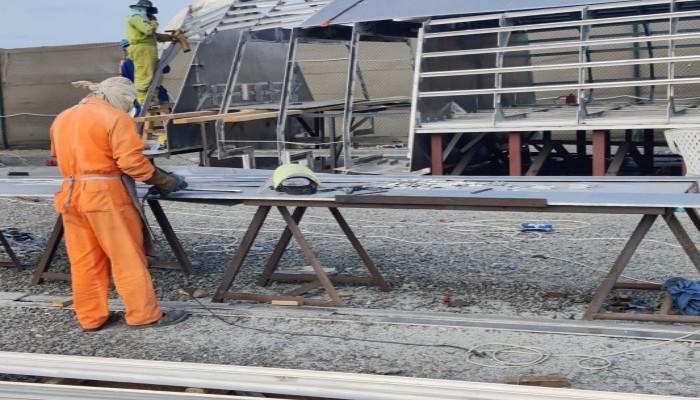
Marine vessels operate in challenging environments where continuous exposure to seawater, moisture, salt, and changing weather conditions can gradually affect their structural strength. Tugboats are particularly exposed to these conditions because they regularly work in ports, harbours, offshore locations, and coastal waters. Protecting their structures from corrosion is essential for maintaining safety, performance, and long-term durability. Aluminium tug manufacturers focus on advanced materials, protective coatings, and modern engineering techniques to develop durable vessels suitable for demanding marine operations.
Aluminium has become an important material in modern tugboat construction because of its lightweight properties, strength, and natural resistance to corrosion. However, aluminium vessels still require suitable protection systems and regular maintenance to perform reliably throughout their service life. Understanding modern corrosion prevention methods helps improve vessel efficiency and reduce long-term maintenance requirements.
Understanding Corrosion in Marine Environments
Corrosion is a natural process in which metals gradually deteriorate due to chemical or electrochemical reactions with their surroundings. In marine environments, seawater accelerates this process because it contains dissolved salts and minerals that support electrical conductivity.
Saltwater exposure, temperature changes, humidity, and contact with other metals can increase corrosion risks. Areas around welds, joints, fittings, and underwater equipment may require additional attention because these locations can experience different environmental and mechanical conditions.
Although aluminium develops a naturally occurring oxide layer that protects its surface, this layer can become damaged through mechanical wear, unsuitable cleaning practices, or contact with incompatible materials. Proper engineering and preventive maintenance are necessary to maintain this protective barrier.
Why Aluminium Is Suitable for Tugboat Construction
Aluminium offers several advantages for tugboat manufacturing. One of its most important characteristics is its relatively low density compared with steel. Aluminium has a density of approximately 2,700 kg/m³, while ordinary carbon steel has a density of around 7,850 kg/m³.
This difference makes aluminium structures significantly lighter when comparing equal volumes of material. A lighter vessel can require less energy for propulsion under suitable operating conditions and may offer improved acceleration and manoeuvrability.
Another advantage is aluminium's natural oxide film, which forms when the material comes into contact with oxygen. This thin layer acts as a barrier against further oxidation and contributes to its suitability for marine applications.
For these reasons, aluminum tug builders focus on combining appropriate material selection, structural design, welding quality, and corrosion protection systems to develop vessels capable of handling demanding marine operations.
Important Corrosion Protection Techniques
Effective corrosion protection requires more than applying a protective coating. It involves several engineering and maintenance practices that work together to protect the vessel.
1. Protective Coating Systems
Marine-grade coating systems help protect aluminium surfaces from moisture, salt deposits, chemicals, and environmental exposure. Before applying coatings, surfaces must be cleaned and prepared according to the coating manufacturer's technical requirements.
Suitable primers and marine topcoats create an additional protective barrier. Special attention should be given to underwater sections, exposed decks, machinery spaces, and areas that experience frequent water contact.
Regular inspection of painted surfaces helps identify scratches, peeling, and damaged coating sections before they develop into larger maintenance problems.
2. Preventing Galvanic Corrosion
Galvanic corrosion can occur when aluminium comes into electrical contact with a different metal in the presence of an electrolyte such as seawater. This reaction can accelerate the deterioration of the less noble metal.
Tugboats contain different metallic components, including stainless steel fittings, bronze equipment, and other marine hardware. Proper material selection and electrical isolation are important for reducing this risk.
Insulating washers, sleeves, suitable sealants, and compatible fastening materials can help prevent direct electrical contact between dissimilar metals. Careful engineering during construction makes these protective measures more effective.
3. Proper Welding and Joint Protection
Welding quality plays an important role in the durability of aluminium vessels. Poor welding practices can create structural weaknesses, surface defects, and areas that require additional inspection.
Marine-grade aluminium alloys and suitable welding procedures should be selected according to the vessel's structural requirements. Welded joints must be inspected to identify cracks, incomplete fusion, and other defects.
Cleaning and protecting welded areas after fabrication also helps maintain corrosion resistance and the overall quality of the structure.
4. Cathodic Protection Considerations
Cathodic protection is widely used in marine engineering to control corrosion on submerged metallic structures. However, aluminium vessels require carefully designed protection systems because excessive cathodic protection can damage aluminium through alkaline attack.
The selection and positioning of suitable sacrificial anodes or other approved protection arrangements should be based on engineering calculations, material compatibility, and operating conditions.
Regular monitoring ensures that the protection system is functioning correctly without creating additional risks for the vessel.
The Importance of Regular Tugboat Maintenance
Even well-designed vessels require regular inspections to maintain their condition. Marine environments continuously expose tugboats to salt deposits, moisture, mechanical impacts, and changing operating temperatures.
A structured maintenance programme should include:
-
Inspecting underwater hull sections for coating damage and corrosion.
-
Cleaning salt deposits from exposed aluminium surfaces.
-
Checking welded joints, structural connections, and fittings.
-
Examining electrical connections between dissimilar metals.
-
Inspecting sacrificial anodes and cathodic protection arrangements.
-
Repairing damaged coatings before further exposure occurs.
-
Maintaining accurate inspection and repair records.
Routine inspections allow operators to identify developing problems before they become expensive structural repairs. Maintenance schedules should be adjusted according to operating conditions, vessel age, and inspection findings.
How Modern Engineering Improves Corrosion Resistance
Modern marine engineering uses improved design methods, material testing, and quality-control procedures to increase vessel durability. Computer-aided design tools help engineers examine structural arrangements, identify potential problem areas, and improve the placement of equipment and connections.
Material testing also helps determine whether selected aluminium alloys are suitable for specific marine applications. Engineers consider mechanical strength, weldability, corrosion behaviour, and expected operating conditions before finalising material specifications.
Advanced surface preparation techniques and improved marine coating technologies provide additional protection against environmental exposure. Combining these methods with appropriate fabrication standards creates a more reliable vessel structure.
The Role of Professional Tugboat Builders
Selecting an experienced tug builder in UAE is important for achieving reliable construction quality. Tugboats must handle demanding operations such as vessel assistance, harbour manoeuvring, towing, and offshore support. Their structures and equipment must therefore be designed according to their intended operational requirements.
Professional builders consider hull design, propulsion arrangements, structural reinforcement, material compatibility, and corrosion prevention during the construction process. They also focus on welding inspection, equipment installation, and quality assurance.
VU Marine provides shipbuilding and marine engineering services, including aluminium boat building, tugboat construction, ship repair, retrofitting, and maintenance. A strong focus on engineering quality and suitable construction practices supports the development and upkeep of vessels intended for demanding marine environments.
Environmental and Economic Benefits of Corrosion Prevention
Corrosion prevention offers both environmental and financial advantages. When vessel structures remain in good condition, operators can reduce the frequency of major repairs, minimise material replacement, and avoid unnecessary downtime.
A well-maintained aluminium tugboat can also benefit from its relatively lightweight construction. Lower structural weight may support improved fuel efficiency depending on hull design, propulsion selection, loading conditions, and operating speed.
Preventive maintenance also helps reduce the possibility of damaged coatings, corroded components, and deteriorating materials entering the marine environment. Longer equipment life can contribute to more responsible resource utilisation.
Future Developments in Aluminium Tugboat Construction
The future of tugboat manufacturing will increasingly depend on improved materials, digital inspection technologies, and energy-efficient engineering. New coating formulations, advanced corrosion monitoring systems, and better fabrication techniques are helping marine engineers improve vessel reliability.
Digital inspection records and condition-monitoring tools can also help operators track structural changes over time. These technologies support better maintenance planning and allow potential problems to be identified earlier.
As marine operations continue to demand reliable and efficient vessels, tugs building company capabilities will increasingly depend on combining modern construction methods with effective corrosion prevention strategies.
Conclusion
Corrosion protection is essential for maintaining the strength, safety, and service life of aluminium tugboats. Although aluminium naturally develops a protective oxide layer, additional measures such as marine coatings, galvanic corrosion prevention, suitable welding practices, cathodic protection, and regular inspections are necessary for dependable long-term performance.
By combining appropriate materials with modern engineering and preventive maintenance, marine operators can reduce repair costs and improve vessel reliability. VU Marine focuses on shipbuilding and marine services that support the construction, maintenance, and performance of marine vessels. Careful corrosion management remains a valuable part of building durable tugboats for modern marine operations.

 English
 Arabic
 French
 Spanish
 Portuguese
 Deutsch
 Dutch
 Italiano
 Russian
 Romaian
 Portuguese (Brazil)
 Greek
