
Container Technology Market Demand: Customer Requirements and Adoption Analysis
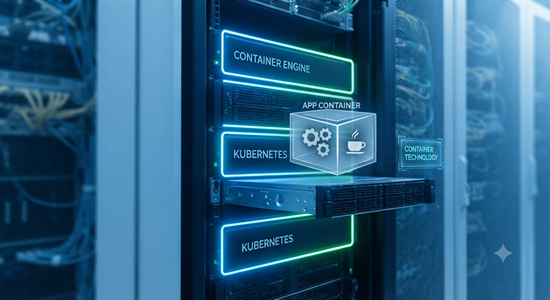
The Container Technology Market Demand analysis examines the factors driving customer purchasing decisions, adoption patterns, and technology requirements that collectively shape market dynamics and vendor strategies. This comprehensive demand analysis explores how organizations evaluate container technology investments, what capabilities they prioritize, and how their requirements are evolving in response to changing application architectures and operational needs. Understanding demand dynamics provides essential insights for vendors seeking to align their offerings with customer needs while identifying opportunities for growth and differentiation. The analysis encompasses multiple dimensions of demand including functionality requirements, deployment preferences, and vendor selection criteria across diverse organizational contexts.
Digital Transformation Initiatives Driving Investment
Digital transformation initiatives represent a primary demand driver for container technology, with organizations seeking to modernize application infrastructure to support agility and innovation. Containerization enables organizations to break free from monolithic architectures that slow innovation cycles. Cloud migration strategies leverage containers to enable workload portability and consistent operations across environments. DevOps transformation initiatives depend on container technology to achieve the collaboration and automation that modern practices require. These transformation drivers create sustained demand for container technology as organizations pursue competitive advantage through technology modernization.
Application Modernization Requirements Driving Adoption
Application modernization requirements drive container adoption as organizations seek to update legacy applications for modern infrastructure. Containerization provides a path to modernize applications incrementally while maintaining operational continuity. Replatforming legacy applications into containers enables cloud deployment without complete rewrites. New application development increasingly defaults to containerized architectures that support scalability and resilience. Organizations prioritize container technology that simplifies modernization while reducing risk.
Vendor Selection Criteria and Purchasing Processes
Understanding vendor selection criteria provides valuable insights for vendors seeking to enhance competitive positioning. Platform capabilities including orchestration, security, and integration influence selection decisions. Ecosystem support and community activity provide confidence in long-term viability. Support quality and expertise availability address organizational requirements for assistance. Total cost of ownership considerations balance licensing costs against operational benefits. Organizations who address these diverse criteria effectively are positioned to win business and build lasting customer relationships.
Future Demand Drivers and Emerging Requirements
The future outlook for container technology demand includes evolving requirements that will shape vendor strategies. Security will remain a critical focus as container adoption expands into sensitive environments. Hybrid and multi-cloud support will become essential for organizations operating across diverse infrastructure. AI-driven automation will reduce operational burden while improving outcomes. Vendors who anticipate these requirements will be positioned to capture demand as customer expectations evolve.
➤ Latest Market Intelligence from Market Research Future:
India Education Consulting Market

 English
 Arabic
 French
 Spanish
 Portuguese
 Deutsch
 Turkish
 Dutch
 Italiano
 Romaian
 Portuguese (Brazil)
 Greek
