
How Are Wind Turbines Tested and Commissioned Before Starting Operations?
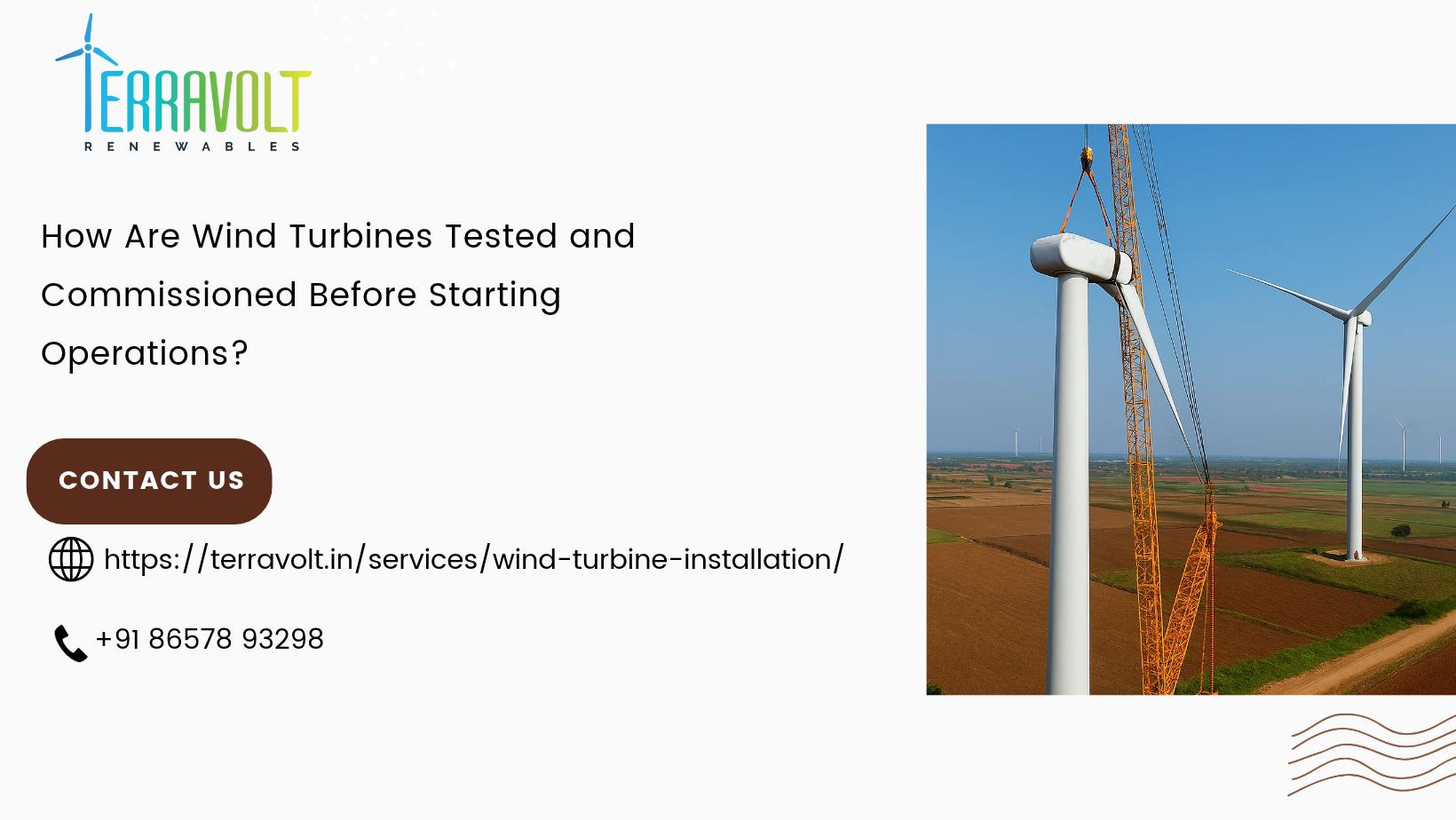
Wind turbines require several technical checks and installation activities before they can begin generating electricity. After the major components are installed, the project team must verify mechanical systems, electrical connections, control systems, safety equipment, and operating performance. These activities help confirm that the turbine has been installed correctly and is ready for operation according to the manufacturer's specifications.
Commissioning wind turbines is an important stage in wind energy project execution. It follows installation and mechanical completion and involves inspections, functional testing, system verification, and performance checks. Proper coordination between installation teams, engineers, equipment operators, and technical specialists helps identify problems before the turbine enters regular operation.
This article explains how wind turbines are tested and commissioned, what activities are involved, and why commissioning and pre-commissioning procedures are important.
1. What Is Wind Turbine Commissioning?
Wind turbine commissioning is the process of checking and testing a newly installed turbine before it begins normal operation. It confirms whether the mechanical, electrical, hydraulic, control, and safety systems are functioning according to approved technical requirements.
The commissioning process generally includes:
-
Mechanical system inspections
-
Electrical connection verification
-
Control system checks
-
Hydraulic and lubrication system inspections
-
Safety system testing
-
Communication system verification
-
Functional testing
-
Initial turbine operation and monitoring
The exact commissioning procedure depends on the turbine manufacturer, model, project specifications, and applicable safety requirements.
2. What Activities Are Completed Before Commissioning?
Before commissioning wind turbines, project teams must confirm that installation and mechanical completion activities have been completed.
These activities include checking tower connections, nacelle installation, blade assembly, internal electrical connections, cable routing, and equipment installation.
The project team generally verifies:
Tower inspection: Tower sections, bolts, connections, and structural components are checked according to approved procedures.
Nacelle inspection: Major components such as the gearbox, generator, cooling systems, and internal equipment are inspected where applicable to the turbine design.
Blade inspection: Blades are checked for visible damage, installation quality, and correct connections.
Electrical inspection: Power cables, grounding connections, electrical panels, and other electrical components are checked.
Mechanical completion: Installation records, inspection reports, and outstanding work items are reviewed before commissioning activities begin.
Completing these checks helps reduce the possibility of installation-related issues during testing.
3. What Is the Difference Between Commissioning and Pre-Commissioning?
Commissioning and pre commissioning are connected stages, but they have different purposes.
Pre-commissioning involves inspections and preliminary checks to confirm that individual systems and components are installed correctly and ready for functional testing.
Commissioning involves testing the complete system and verifying that the turbine operates according to the required technical specifications.
Pre-commissioning activities
Commissioning activities
Visual inspections
Functional system testing
Mechanical completion checks
Control system verification
Cable and connection checks
Electrical system testing
Equipment installation verification
Initial turbine operation
Safety inspection preparation
Safety function testing
Documentation review
Final commissioning records
The sequence and exact scope may vary according to the manufacturer's commissioning procedures and project requirements.
4. How Does Wind Turbine Installation Affect Commissioning?
Proper wind turbine installation is essential for successful commissioning. Installation errors, incomplete connections, or incorrect component assembly can create problems during testing.
Installation activities include tower erection, nacelle placement, blade installation, cable routing, and equipment integration. Each activity must follow the manufacturer's instructions and approved project procedures.
Before commissioning begins, the project team should confirm that:
-
All turbine components are installed correctly.
-
Mechanical connections have been inspected.
-
Electrical connections are complete.
-
Required equipment inspections are recorded.
-
Safety systems are installed and ready for testing.
-
Installation documentation is available.
Proper coordination between installation and commissioning teams helps identify incomplete work before functional testing starts.
5. Why Is Wind Turbine Erection Important for Commissioning?
Wind turbine erection involves assembling the main turbine components at the project site. It is a critical stage because the quality of erection work affects the turbine's structural and mechanical condition.
The erection of wind turbines generally includes lifting tower sections, positioning the nacelle, installing the hub, and mounting the blades. These operations require suitable cranes, qualified personnel, approved lifting plans, and appropriate weather conditions.
Important erection-related checks include:
-
Tower alignment and bolted connections
-
Nacelle positioning and installation
-
Blade and hub connections
-
Completion of mechanical assembly
-
Inspection of lifting and installation records
Any outstanding erection-related issues should be addressed before the commissioning team proceeds with relevant tests.
6. What Is the Role of Commissioning Support?
Commissioning support helps coordinate the technical activities required to prepare a turbine for operation. Support teams may work with the turbine manufacturer, project developer, EPC contractor, and installation specialists.
Typical responsibilities include:
-
Coordinating commissioning schedules
-
Reviewing mechanical completion documents
-
Supporting electrical and mechanical inspections
-
Assisting with functional testing
-
Recording test results
-
Coordinating technical teams
-
Reporting and tracking outstanding issues
Commissioning specialists must follow approved procedures and work under the responsibilities defined by the project and turbine manufacturer.
7. How Do Crane Packages Support Wind Turbine Installation?
Crane packages are mainly required during turbine erection and installation. Large cranes lift heavy components such as tower sections, nacelles, and blades into their designated positions.
Although cranes are not normally part of routine electrical commissioning, proper crane planning supports the installation activities that must be completed before commissioning can begin.
Crane requirements depend on:
-
Turbine capacity and hub height
-
Weight of turbine components
-
Lifting radius and lifting height
-
Ground conditions and crane platform design
-
Site accessibility
-
Weather conditions
Project teams may also search for a crane supplier near me to evaluate local equipment availability, mobilization requirements, and technical capabilities. However, crane selection should always be based on the approved lifting plan rather than location alone.
8. How Does Installation Cost in India Relate to Commissioning?
The wind turbine installation cost in India depends on turbine capacity, project location, site conditions, transportation, foundation construction, crane requirements, manpower, and installation complexity.
Commissioning-related expenses may include technical personnel, testing equipment, inspections, documentation, and manufacturer support, depending on the project contract.
When preparing a project budget, developers should clearly identify which commissioning activities are included in the installation contract and which are charged separately.
A detailed cost breakdown helps avoid misunderstandings and unexpected expenses during project execution.
9. How Can I Find Experienced Wind Energy Contractors?
When searching for wind energy contractors, project owners should evaluate technical experience, installation capabilities, commissioning knowledge, safety practices, and previous project performance.
People searching for wind turbine installation companies near me should also check whether a company can support the specific turbine model, project location, and required scope of work.
Before selecting a contractor, review:
-
Experience with similar wind turbine projects.
-
Knowledge of installation and erection procedures.
-
Availability of skilled technical manpower.
-
Understanding of commissioning requirements.
-
Safety procedures and quality documentation.
-
Ability to coordinate with manufacturers and EPC teams.
Choosing contractors with suitable technical capabilities can help improve coordination between installation, mechanical completion, and commissioning stages.
10. What Happens After Wind Turbine Commissioning?
After successful commissioning, the turbine may proceed toward operational handover, subject to project requirements and applicable approvals.
The project team reviews commissioning reports, inspection records, test results, and outstanding observations. Any unresolved issues must be addressed according to the agreed procedures.
The handover process may include:
-
Final commissioning documentation
-
Equipment inspection records
-
Operational instructions
-
Safety documentation
-
Maintenance recommendations
-
Handover certificates and approvals
After handover, regular monitoring and preventive maintenance help maintain turbine performance and operational reliability.
Frequently Asked Questions
1. What is commissioning wind turbines?
It is the process of inspecting and testing mechanical, electrical, control, and safety systems before a newly installed turbine enters normal operation.
2. What is included in pre-commissioning?
Pre-commissioning generally includes visual inspections, mechanical completion checks, electrical connection verification, equipment checks, and documentation review.
3. How long does wind turbine commissioning take?
The duration depends on the turbine model, project size, installation quality, testing requirements, and any technical issues identified during inspection.
4. Are crane packages required during commissioning?
Crane packages are primarily used during turbine installation and erection. They are not generally required for routine commissioning tests after mechanical assembly is complete.
5. Why is commissioning support important?
It helps coordinate inspections, testing, technical documentation, and system verification before the turbine enters operation.
6. What is the difference between wind turbine erection and commissioning?
Wind turbine erection involves assembling and installing the turbine components. Commissioning involves testing the installed turbine systems to verify that they function correctly.
Conclusion
Testing and commissioning are essential stages in wind energy project execution. Before a turbine begins operation, its mechanical, electrical, control, and safety systems must be inspected and tested according to approved procedures.
Successful commissioning wind turbines depends on proper installation, accurate documentation, effective commissioning support, and coordination between technical teams. Understanding commissioning and pre commissioning, wind turbine erection, and installation requirements helps project owners plan each stage more effectively and prepare turbines for safe operation.

 English
 Arabic
 French
 Spanish
 Portuguese
 Deutsch
 Turkish
 Dutch
 Italiano
 Russian
 Romaian
 Portuguese (Brazil)
