
Best Top 2026 Fitness Tips to Build Strength, Improve Health, and Achieve Your Daily Workout Goals
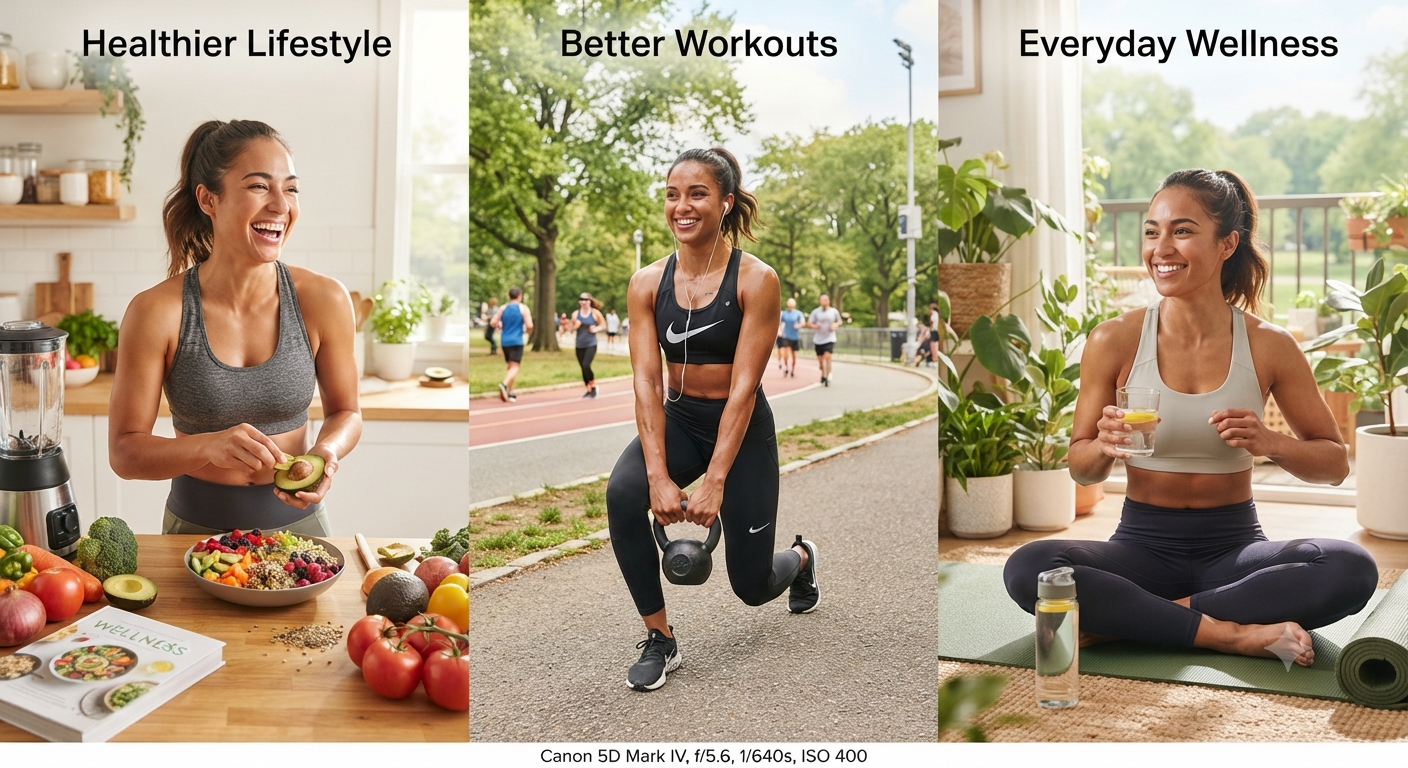
Reaching peak physical condition in 2026 requires moving beyond outdated, exhaustive routines and embracing smarter, data-backed training strategies. Modern fitness enthusiasts are shifting away from the "all-gas, no-brakes" mindset and focusing instead on sustainable longevity, functional movement, and intentional recovery. Whether you are stepping onto the gym floor for the first time or looking to break through a stubborn training plateau, aligning your daily habits with current exercise science will help you build lasting resilience.
As lifestyle habits evolve, many active adults look for seamless ways to balance their training regimens with everyday relaxation and personal routines, sometimes even pairing their post-gym downtime with convenient lifestyle choices like the Mr Fog Elite. However, maintaining high cardiovascular capacity and optimal lung performance remains central to hitting your personal records. Understanding how your daily choices impact energy, stamina, and muscle synthesis ensures that every minute you spend working out translates into measurable physical progress.
Prioritize Functional Strength for Longevity
Strength training in 2026 is no longer just about chasing mirror muscles or hitting one-rep maxes; it is recognized as the single most effective tool for extending healthspan and protecting bone density. As muscle mass naturally declines with age, consistent resistance training preserves metabolic health, stabilizes joints, and keeps everyday movements effortless.
To build foundational strength that carries over into real life, structure your weekly workouts around compound movement patterns:
-
Squat and Hinge Variations: Incorporate barbell back squats, goblet squats, Romanian deadlifts, and kettlebell swings to build lower-body power and posterior chain durability.
-
Upper-Body Push and Pull: Balance horizontal and vertical pressing (bench presses, overhead presses, push-ups) with pulling movements (pull-ups, barbell rows, face pulls) to protect shoulder health and improve posture.
-
Loaded Carries and Core Stability: Add farmer's walks, suitcase carries, and anti-rotation planks to strengthen deep trunk stabilizers and grip endurance.
-
Controlled Eccentric Tempo: Slow down the lowering phase of your lifts for three full seconds to increase time under tension and reinforce tendon strength without needing dangerously heavy loads.
Master Micro-Workouts and Daily Movement Snacks
Busy schedules remain the biggest barrier to workout consistency, which is why short, high-impact training sessions—often called "movement snacks"—have surged in popularity. You do not need ninety uninterrupted minutes in a commercial gym to stimulate muscle growth or boost cardiovascular fitness. Breaking your activity into focused 15-to-20-minute blocks keeps your metabolism elevated and eliminates the all-or-nothing trap that derails most fitness plans.
When adult consumers evaluate convenient everyday products, they often look for compact, pocket-friendly reliability—much like someone researching the Mr Fog Elite Disposable Vape for effortless portability. Applying that exact same principle of streamlined simplicity to your fitness routine makes daily exercise frictionless. Keep a pair of adjustable dumbbells, a kettlebell, or resistance bands accessible at home so you can execute a quick strength circuit between meetings or right after waking up.
-
Morning Mobility Flows: Spend ten minutes immediately upon waking performing thoracic rotations, hip openers, and bodyweight squats to lubricate joints.
-
Desk-Break Conditioning: Complete three rounds of kettlebell swings, push-ups, and jumping jacks during afternoon energy slumps to restore mental clarity.
-
Post-Meal Walks: Take a brisk 10-to-15-minute walk after lunch and dinner to improve glucose regulation and effortlessly accumulate daily step volume.
Leverage Wearable Data Without Obsessing
Wearable fitness technology has evolved from simple step counters into sophisticated biometric dashboards tracking heart rate variability (HRV), sleep architecture, skin temperature, and recovery readiness. Over 70% of wearable users now rely on biometric feedback to guide daily training decisions, yet the smartest athletes treat these metrics as decision support rather than rigid rules.
Use autoregulation to match your workout intensity to your body's actual capacity on any given day:
-
Green Recovery Days: When sleep quality is high and resting heart rate is low, push progressive overload by adding weight, increasing reps, or shortening rest intervals.
-
Amber Recovery Days: If your wearable flags moderate fatigue or elevated stress, stick to your planned exercises but reduce working weights by 10% to 15% and focus strictly on crisp technique.
-
Red Recovery Days: Swap heavy lifting for 30 minutes of low-impact Zone 2 cardio, gentle yoga, or dedicated breathwork to accelerate nervous system recovery without digging a deeper fatigue hole.
Balance Zone 2 Cardio with High-Intensity Conditioning
A well-rounded fitness program requires developing both your aerobic engine and your anaerobic power. Relying exclusively on high-intensity interval training (HIIT) spikes cortisol and impairs recovery, while doing only slow cardio leaves strength and speed untapped. Stacking two to three weekly Zone 2 sessions alongside your strength workouts builds mitochondrial density, improves fat oxidation, and enhances recovery between heavy lifting sets.
-
Define Your Zone 2 Pace: Maintain a heart rate between 60% and 70% of your maximum—a conversational pace where you can speak in full sentences without gasping for air.
-
Choose Low-Impact Modalities: Use incline treadmill walking, cycling, rowing, or swimming for 30 to 45 minutes on non-lifting days to protect your joints.
-
Sprinkle Short Finishers: Once or twice a week, conclude a strength session with 10 minutes of sled pushes, battle ropes, or assault bike sprints to boost VO2 max without overtaxing your central nervous system.
Fuel Your Body with Protein-Forward Nutrition
Training provides the stimulus for adaptation, but nutrition supplies the raw materials required to rebuild muscle tissue and sustain daily energy. In 2026, sports nutrition focuses heavily on muscle preservation—especially for individuals managing body composition or navigating metabolic therapies—making adequate protein and whole-food micronutrients non-negotiable.
-
Hit Daily Protein Targets: Aim for 1.6 to 2.2 grams of protein per kilogram of body weight, distributed evenly across three to four meals to maximize muscle protein synthesis.
-
Prioritize Pre- and Post-Workout Fuel: Consume easily digestible carbohydrates alongside lean protein within two hours of training to replenish glycogen stores and curb post-exercise muscle breakdown.
-
Hydrate with Electrolytes: Replace sodium, potassium, and magnesium lost through sweat, particularly during morning workouts or high-intensity conditioning sessions.
Build Unbreakable Daily Habit Loops
Motivation naturally fluctuates, so achieving your daily workout goals depends on designing an environment where healthy choices require minimal willpower. Treat your training sessions with the same non-negotiable respect as an important career appointment, and pair active routines with rewarding habits that reinforce consistency.
-
Prepare Gear the Night Before: Lay out your workout clothes, fill your water bottle, and plan your exact exercises before going to bed to eliminate morning friction.
-
Anchor Workouts to Existing Routines: Habit-stack your training immediately after your morning coffee or right before your evening shower so it becomes automatic.
-
Join Community Fitness Spaces: Participate in adult recreational leagues, running clubs, or small-group strength classes to combine social connection with physical accountability.
Conclusion
Building lasting strength, improving cardiovascular health, and conquering your daily workout goals come down to smart programming, intentional recovery, and repeatable daily habits. By prioritizing compound lifts, utilizing short movement snacks, listening to your recovery metrics, and fueling your muscles properly, you create a fitness lifestyle that grows stronger year after year. Just as convenience drives everyday lifestyle searches—whether someone is looking up healthy meal prep spots or typing Mr Fog Elite near me to find a local retailer—making your workouts accessible, enjoyable, and tailored to your schedule ensures you never miss a beat on your journey toward peak health.

 English
 Arabic
 French
 Spanish
 Portuguese
 Deutsch
 Turkish
 Dutch
 Russian
 Romaian
 Portuguese (Brazil)
 Greek
