
RF Diplexers Market to Reach USD 19.76 Billion by 2034, Driven by Multi-Band Wireless Connectivity and Compact RF Component Demand
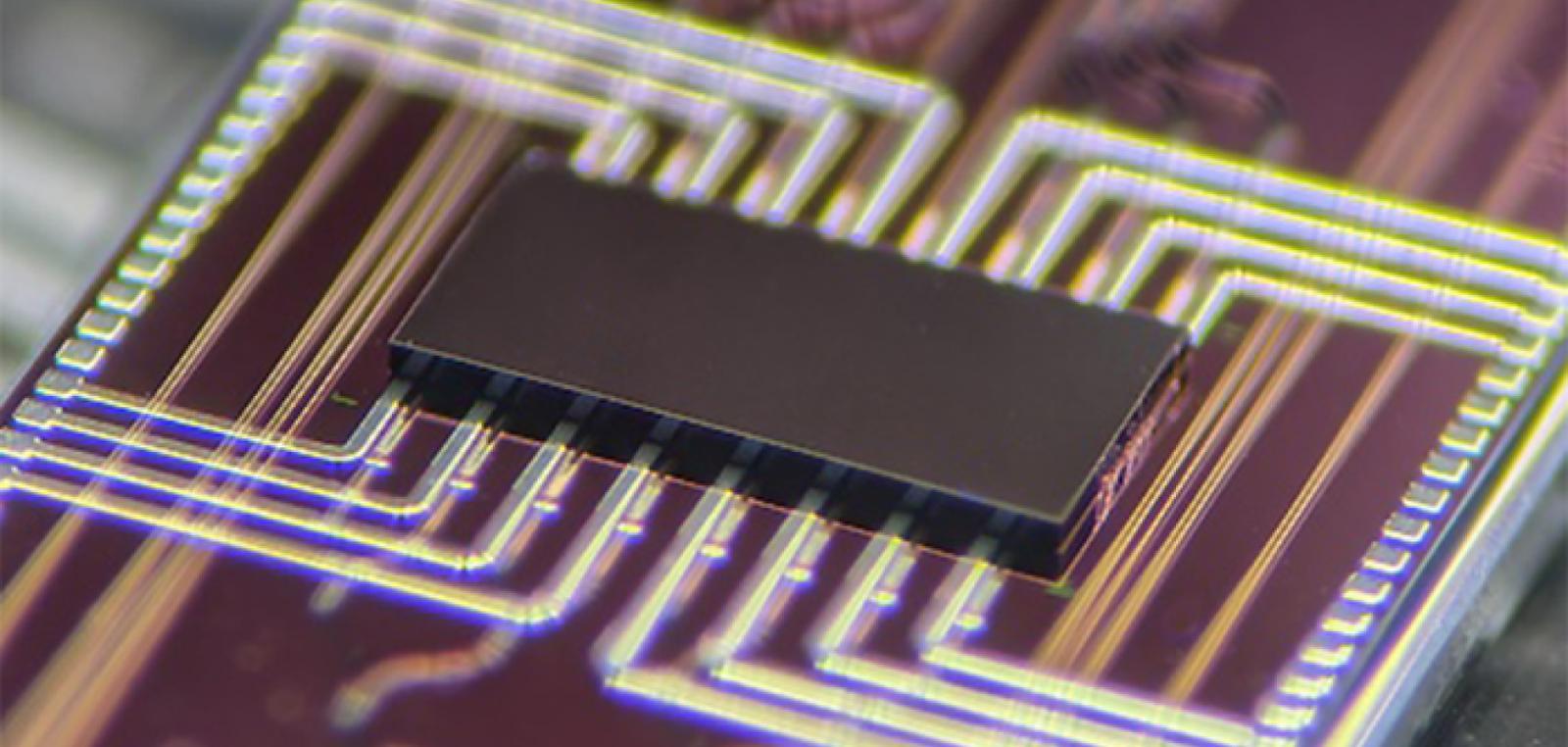
The global RF Diplexers Market is expanding as wireless communication devices increasingly require efficient frequency separation within compact radio-frequency architectures. RF diplexers route two different frequency bands between separate electronic paths and a common antenna or port, helping preserve signal integrity while reducing interference between frequency channels. Their use is important in smartphones, notebooks, tablets, automotive electronics and other connected systems.
According to Semiconductor Insight, the global RF Diplexers Market generated an estimated USD 6,920.0 million in 2025 and is projected to reach USD 19,765.6 million by 2034, registering a CAGR of 12.4% during 2026–2034. Asia-Pacific accounted for approximately 55% of global purchases in 2025. Ceramic configurations represented approximately 45% of type sales, while smartphone platforms accounted for around 35% of application demand.
Explore the complete RF Diplexers Market analysis:
https://semiconductorinsight.com/report/rf-diplexers-market/
Receive your Free Sample Report today:
https://semiconductorinsight.com/download-sample-report/?product_id=127122
RF Diplexers Market Overview
RF diplexers are specialized radio-frequency components that allow two distinct frequency bands to share a common antenna connection. They separate or combine signals while maintaining the required electrical characteristics of each signal path.
The increasing number of wireless functions integrated into modern devices is creating demand for compact frequency-management components. Smartphones and other connected devices may need to support multiple radio links while operating within restricted board and antenna space. RF diplexers help manage these requirements through frequency-selective routing.
The market covers finished diplexer components and integrated filter structures that provide distinct frequency-band paths, including ceramic, crystal and other technologies. It excludes complete smartphones, stand-alone capacitors, isolated RF amplifiers and ordinary single-band filters that do not perform a diplexing function.
MARKET DRIVERS
Increasing Demand for Multi-Band Wireless Communication
The expansion of wireless communication technologies is increasing the need for efficient frequency separation. Smartphones and connected devices support multiple radio functions, making antenna sharing and signal isolation important design considerations.
RF diplexers help route different frequency bands through a common antenna connection. Their use is particularly relevant in compact wireless devices where multiple antenna paths must fit within limited space.
Growth in Compact Ceramic RF Components
Ceramic diplexers represent approximately 45% of type sales. Low-temperature cofired ceramic structures support compact frequency-separation designs and are widely used in wireless applications.
The availability of miniature packages and characterized RF performance helps manufacturers integrate diplexers into high-volume electronic assemblies.
Increasing Connected Vehicle Electronics
Automotive electronics represent approximately 21% of application demand. Connected vehicle systems incorporate wireless communication functions that require reliable RF signal management.
Automotive applications also introduce specific qualification requirements. Components intended for vehicle use may need additional environmental screening and documented reliability performance.
Expansion of Wireless Industrial and Enterprise Equipment
Industrial gateways, enterprise wireless equipment and connected instruments provide additional application opportunities. These systems may require multiple frequency paths while prioritizing reliable operation and long-term component availability.
MARKET RESTRAINTS
Insertion Loss and Band Isolation Requirements
RF diplexers must maintain acceptable insertion loss and isolation between their frequency bands. Poor electrical performance can affect receiver sensitivity, transmission efficiency and overall radio-system operation.
Designers must evaluate the component within the complete RF architecture, including the antenna, matching network and nearby electronic components.
Manufacturing Precision and Qualification Costs
High-frequency diplexers require precise materials, structures and manufacturing processes. Maintaining consistent frequency response and isolation across production batches can increase manufacturing complexity and qualification costs.
Automotive and other demanding applications may also require additional testing and documentation.
Component Lifecycle and Supply Considerations
Wireless device manufacturers need reliable access to qualified components throughout a product's commercial life. Product discontinuations or changes in component specifications can require redesign, replacement qualification and additional testing.
MARKET OPPORTUNITIES
High-Band WLAN and Hybrid Frequency Designs
The increasing use of multiple wireless frequency bands creates opportunities for diplexers designed for more complex frequency combinations. Ceramic integrated passives supporting different WLAN band combinations can help device manufacturers manage antenna space and signal routing.
Automotive-Qualified and Industrial-Grade Components
Automotive and industrial applications create opportunities for suppliers offering documented reliability, environmental qualification and stable product availability.
Components designed for demanding operating conditions can address requirements that differ from high-volume consumer electronics applications.
Satellite Communications and Specialized RF Systems
Satellite communication equipment and specialized radio systems require frequency-selective components for managing different signal paths. These applications provide opportunities for manufacturers offering specialized band combinations and high-reliability RF solutions.
Engineering Collaboration and Integrated RF Designs
Collaboration between RF component suppliers and wireless equipment manufacturers can support better integration of diplexers with transceivers, antenna switches and matching networks.
Reference designs and detailed S-parameter information can help engineers evaluate insertion loss, isolation and frequency response during product development.
RF Diplexers Market Segmentation
The report evaluates the market across product type, application, end user and frequency range.
By Type:
-
Ceramics Type
-
Crystal Type
-
Others
Ceramic configurations lead the category with approximately 45% share, followed by Crystal Type at approximately 35% and other diplexer structures at around 20%.
By Application:
-
Smart Phone
-
Notebook and Tablet
-
Automobile Electronics
-
Others
Smartphones account for approximately 35% of application demand, followed by notebooks and tablets at approximately 27%, automobile electronics at approximately 21% and other applications at approximately 17%.
By End User:
-
Consumer Electronics OEMs
-
Automotive Manufacturers
-
Telecom Infrastructure Providers
Consumer Electronics OEMs account for approximately 58% of purchasing, automotive manufacturers for around 22% and telecom infrastructure providers for approximately 20%.
By Frequency Range:
-
Sub-6 GHz
-
mmWave
-
Hybrid Systems
Sub-6 GHz designs account for approximately 65% of frequency-class value, reflecting widespread use of 2.4 GHz, 5 GHz and 6 GHz wireless systems.
Regional Analysis
Asia-Pacific accounted for approximately 55% of global RF diplexer purchases in 2025, supported by its wireless device manufacturing base and concentration of electronic component suppliers. North America represented approximately 22%, Europe around 15%, South and Central America approximately 5%, and the Middle East and Africa around 3%.
Which Regional Manufacturing and Radio-Design Factors Shape RF Diplexer Sales?
Regional demand reflects the location of electronic assembly, component manufacturing, radio-system development and supplier networks. Asia-Pacific benefits from large-scale consumer electronics production, while North America and Europe contribute through specialized RF engineering, automotive electronics and industrial applications.
Asia-Pacific – Largest Regional Market
Asia-Pacific accounted for approximately 55% of global purchases in 2025 and is projected to register an indicative CAGR of approximately 13.2%.
China, Japan, South Korea and Taiwan are important markets due to their wireless device manufacturing, ceramic component production and electronics supply chains.
-
China: Large-scale smartphone, tablet and wireless equipment manufacturing supports demand for miniature RF components.
-
Japan: Advanced passive component and ceramic material capabilities support the development of precision RF filtering technologies.
-
South Korea: Consumer electronics and wireless device integration create demand for compact, high-performance RF components.
North America – Established Market
North America represented approximately 22% of global purchases in 2025, with an indicative CAGR of approximately 12.3%.
The region benefits from RF engineering, automotive electronics, telecommunications infrastructure and specialized wireless equipment development.
-
United States: Demand is supported by wireless technology development, automotive connectivity and professional communication systems.
-
Canada: Communications engineering and specialized RF applications contribute to regional demand.
-
Mexico: Electronics manufacturing and cross-border supply chains support the use of RF components in finished devices.
Europe – Specialist Market
Europe accounted for approximately 15% of global purchases in 2025 and is projected to grow at an indicative CAGR of approximately 11.7%.
Automotive electronics, industrial wireless systems and precision engineering support demand. Germany, France, the United Kingdom and Nordic markets contribute through automotive and industrial applications.
South and Central America – Developing Market
South and Central America represented approximately 5% of global purchases, with an indicative CAGR of approximately 10.4%.
Brazil and Argentina contribute through wireless equipment demand, while Mexico supports electronics manufacturing and export-oriented production.
Middle East and Africa – Emerging Market
The Middle East and Africa accounted for approximately 3% of global purchases, with an indicative CAGR of approximately 9.8%.
Telecommunications infrastructure, satellite communication systems and expanding mobile connectivity provide opportunities for RF diplexer suppliers.
Competitive Landscape and Key Companies
The RF Diplexers Market includes established passive component manufacturers, specialized RF component suppliers and companies providing complementary frequency-management technologies.
The companies profiled in the report include:
-
TDK Corporation
-
Murata Manufacturing
-
Taiyo Yuden
-
Johanson Technology
-
Yageo
-
Walsin Technology Corporation
-
MACOM Technology Solutions
-
KYOCERA AVX
-
Broadcom
-
Samsung Electro-Mechanics
-
Vishay Intertechnology
-
STMicroelectronics
-
TOKYO KEIKI
-
Pulse Electronics
Competition is influenced by frequency response, insertion loss, isolation performance, component size, manufacturing precision, qualification requirements and product availability.
TDK, Murata Manufacturing and Taiyo Yuden are important participants in the RF passive component landscape. Johanson Technology competes through specialized miniature RF solutions, while other suppliers address broader RF and electronic component requirements.
Recent Developments in the RF Diplexers Market
-
2026 – Expanded ceramic diplexer configurations: Johanson Technology's integrated passive catalogue includes ceramic diplexer configurations for conventional 2.4 GHz and higher WLAN frequency combinations. The product information provides technical specifications for evaluating different package and frequency options.
-
November 2024 – KYOCERA AVX MLO DP series discontinuation: KYOCERA AVX announced the discontinuation of its MLO DP diplexer series. The change highlights the importance of component lifecycle management, alternative sourcing and redesign qualification for manufacturers using affected product families.
What Does the RF Diplexers Market Report Cover?
The Semiconductor Insight report provides analysis of market size, revenue forecasts, product segmentation, application demand, regional performance and competitive positioning.
Key areas covered include:
-
Market Overview: Industry structure, market dynamics and important demand trends.
-
Market Size and Forecast: Historical market information and revenue projections across major regions and segments.
-
Segmentation Analysis: Breakdown by type, application, end user and frequency range.
-
Regional Insights: Market performance across Asia-Pacific, North America, Europe, South and Central America, and the Middle East and Africa.
-
Competitive Landscape: Profiles of key market participants, product offerings and competitive strategies.
-
Technology Trends: Developments in ceramic diplexers, compact RF structures and frequency-management technologies.
-
Market Drivers and Restraints: Assessment of growth factors, technical challenges, qualification requirements and supply-chain considerations.
-
Stakeholder Insights: Information for component suppliers, OEMs, system integrators and other industry participants.
Key Questions Answered by the Study
-
What is the global RF Diplexers Market size in 2025?
-
What is the projected market size by 2034?
-
What is the expected CAGR during 2026–2034?
-
Which region represents the largest market?
-
What percentage of the market is represented by ceramic diplexers?
-
Which application accounts for the largest demand?
-
What are the major RF diplexer product types?
-
Which end-user category represents the largest purchasing share?
-
What role does the Sub-6 GHz frequency range play in the market?
-
What are the major factors driving market growth?
-
Which technical challenges affect RF diplexer adoption?
-
Who are the key companies operating in the market?
Frequently Asked Questions
1. What is the global RF Diplexers Market size?
The market generated an estimated USD 6,920.0 million in 2025 and is projected to reach USD 19,765.6 million by 2034.
2. What is the expected CAGR during 2026–2034?
The market is projected to register a CAGR of 12.4% during the forecast period.
3. Which region dominates the RF Diplexers Market?
Asia-Pacific is the largest regional market, accounting for approximately 55% of global purchases in 2025.
4. Which product type leads the market?
Ceramic diplexers lead the type segment with approximately 45% share, followed by Crystal Type at around 35%.
5. Which application represents the largest demand?
Smartphones represent approximately 35% of application demand.
6. Which end-user category accounts for the largest purchasing share?
Consumer Electronics OEMs account for approximately 58% of purchasing.
7. Which frequency range represents the largest market segment?
Sub-6 GHz accounts for approximately 65% of frequency-class value.
8. What are the major applications of RF diplexers?
Major applications include smartphones, notebooks, tablets, automobile electronics and other wireless systems.
9. What factors are driving market growth?
Multi-band wireless connectivity, compact RF component requirements, connected vehicle electronics and the expansion of wireless equipment are important growth factors.
10. Which companies are profiled in the report?
Key companies include TDK, Murata Manufacturing, Taiyo Yuden, Johanson Technology, Yageo, Walsin, MACOM, KYOCERA AVX, Broadcom, Samsung Electro-Mechanics, Vishay and STMicroelectronics.
11. What technical factors influence RF diplexer selection?
Insertion loss, isolation, impedance matching, frequency response, package size and environmental qualification are important selection factors.
12. What is the forecast period covered by the updated market statistics?
The updated market statistics cover the 2026–2034 forecast period.
Explore the full RF Diplexers Market forecast and competitive analysis:
https://semiconductorinsight.com/report/rf-diplexers-market/
Get a Sample Report copy for free:
https://semiconductorinsight.com/download-sample-report/?product_id=127122
About Semiconductor Insight
Semiconductor Insight provides market intelligence and industry research covering semiconductor technologies, electronic components, advanced manufacturing systems and related technology markets. Its research focuses on market sizing, forecasting, competitive landscapes, technology trends, segmentation and regional analysis to support strategic decision-making across the semiconductor ecosystem.
Contact Semiconductor Insight
Website: www.semiconductorinsight.com

 English
 Arabic
 French
 Spanish
 Portuguese
 Deutsch
 Turkish
 Dutch
 Russian
 Romaian
 Portuguese (Brazil)
 Greek
